Landmark
Manila North Cemetery
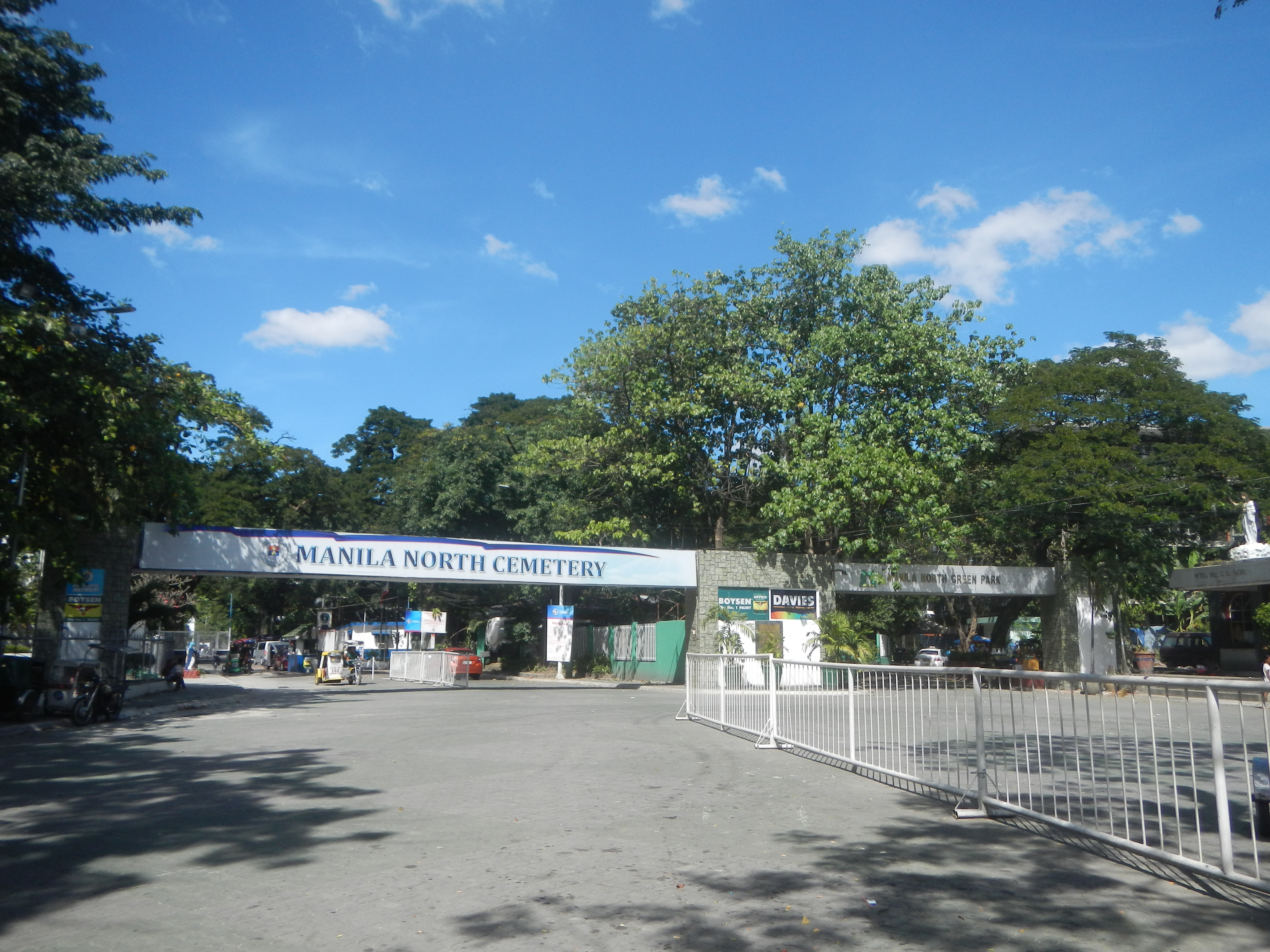 Judgefloro · Wikimedia Commons · CC0
Certains liens de réservation sont des liens affiliés. Si vous réservez via ces liens, nous pouvons percevoir une petite commission sans frais supplémentaires pour vous. Cela n'influence jamais nos recommandations.
Manila North Cemetery, located along Blumentritt Street in Manila, is one of the oldest and largest cemeteries in the Philippines. Established in the early 20th century, it serves as the final resting place for many notable Filipinos, including presidents, artists, and national heroes. The cemetery is distinctive for its ornate mausoleums, some resembling small houses, and for the living community that resides within its grounds. Families of caretakers and informal settlers have built homes among the tombs, creating a vibrant, if unconventional, neighborhood. Visitors can walk through lanes lined with marble structures, observe daily life, and pay respects at the graves of historical figures. The site also hosts annual events like All Saints' Day, when thousands visit to light candles and offer prayers.
À ne pas manquer
- See the mausoleums of former Philippine presidents
- Observe the unique coexistence of tombs and homes
- Visit during All Saints' Day for a cultural experience
- Photograph elaborate marble and granite structures
- Find the graves of national artists and heroes
Billets et visites
Différentes façons de visiter Manila North Cemetery
Pas besoin de visite guidée, l'entrée est gratuite. Une visite vaut le coup si vous voulez un transport, un guide, ou combiner Manila North Cemetery avec d'autres sites en une journée. C'est ce qu'elles font bien.
Idéal pour
Comment les voyageurs le notent
Comment s'y rendre
Bon à savoir avant de partir
- Wear comfortable walking shoes; paths can be dusty.
- Bring water, as there are few vendors inside.
- Ask permission before photographing residents or private mausoleums.
- Be respectful; this is an active cemetery and home to many.
Un peu d'histoire
Manila North Cemetery opened in 1904 as a Catholic burial ground. Over decades, it became a repository of Philippine history, with tombs reflecting various architectural styles. The presence of living residents emerged post-World War II as displaced families sought shelter.
Questions fréquentes
Is it safe to visit?
Generally safe during daytime; avoid isolated areas and go with a guide.
Can I take a guided tour?
No official tours, but local guides may offer informal walks.
Are there restrooms?
Public restrooms are limited; use facilities before arriving.
What is the best time for photography?
Morning light (8-10 AM) highlights the architecture.
Can I bring food inside?
Yes, but avoid eating near graves out of respect.
Is there parking?
Limited street parking; use public transport.
Plus d'attractions à Manila