Landmark
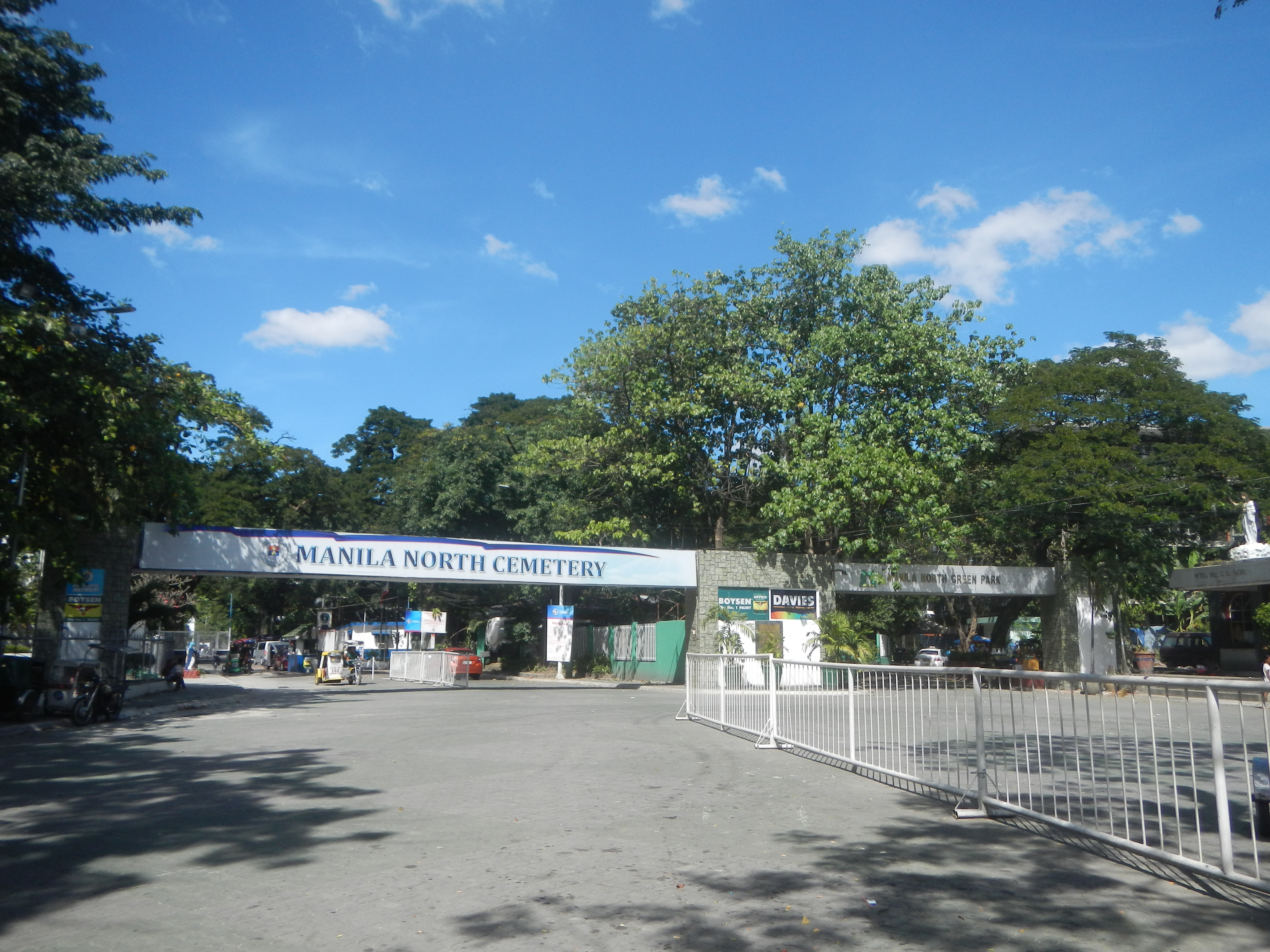
Manila North Cemetery
 Judgefloro · Wikimedia Commons · CC0
Некоторые ссылки на бронирование являются партнёрскими. Если вы бронируете по ним, мы можем получить небольшую комиссию без дополнительных затрат для вас. Это никак не влияет на наши рекомендации.
Manila North Cemetery, located along Blumentritt Street in Manila, is one of the oldest and largest cemeteries in the Philippines. Established in the early 20th century, it serves as the final resting place for many notable Filipinos, including presidents, artists, and national heroes. The cemetery is distinctive for its ornate mausoleums, some resembling small houses, and for the living community that resides within its grounds. Families of caretakers and informal settlers have built homes among the tombs, creating a vibrant, if unconventional, neighborhood. Visitors can walk through lanes lined with marble structures, observe daily life, and pay respects at the graves of historical figures. The site also hosts annual events like All Saints' Day, when thousands visit to light candles and offer prayers.
Не пропустите
- See the mausoleums of former Philippine presidents
- Observe the unique coexistence of tombs and homes
- Visit during All Saints' Day for a cultural experience
- Photograph elaborate marble and granite structures
- Find the graves of national artists and heroes
Билеты и экскурсии
Как посетить Manila North Cemetery
Для посещения не нужна экскурсия, вход бесплатный. Экскурсия имеет смысл, если нужен трансфер, гид или вы хотите за один день посмотреть Manila North Cemetery и другие близлежащие достопримечательности. Именно это они и предлагают.
Подходит для
Как путешественники оценивают
Как добраться
Что нужно знать перед посещением
- Wear comfortable walking shoes; paths can be dusty.
- Bring water, as there are few vendors inside.
- Ask permission before photographing residents or private mausoleums.
- Be respectful; this is an active cemetery and home to many.
Немного истории
Manila North Cemetery opened in 1904 as a Catholic burial ground. Over decades, it became a repository of Philippine history, with tombs reflecting various architectural styles. The presence of living residents emerged post-World War II as displaced families sought shelter.
Частые вопросы
Is it safe to visit?
Generally safe during daytime; avoid isolated areas and go with a guide.
Can I take a guided tour?
No official tours, but local guides may offer informal walks.
Are there restrooms?
Public restrooms are limited; use facilities before arriving.
What is the best time for photography?
Morning light (8-10 AM) highlights the architecture.
Can I bring food inside?
Yes, but avoid eating near graves out of respect.
Is there parking?
Limited street parking; use public transport.
Ещё достопримечательности в Manila