Park & nature
Fort Santiago
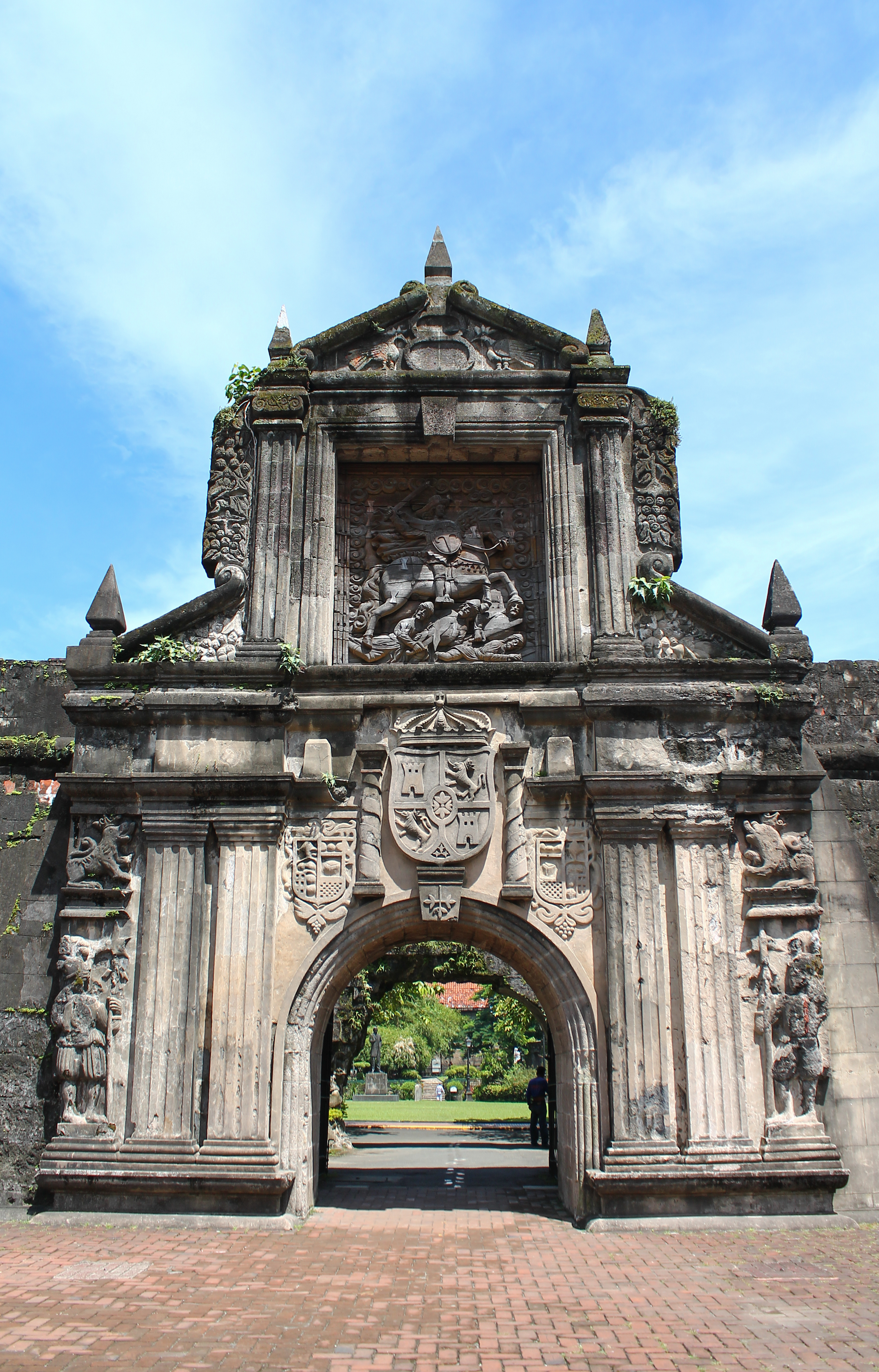 Elmer B. Domingo · Wikimedia Commons · CC BY-SA 3.0
Certains liens de réservation sont des liens affiliés. Si vous réservez via ces liens, nous pouvons percevoir une petite commission sans frais supplémentaires pour vous. Cela n'influence jamais nos recommandations.
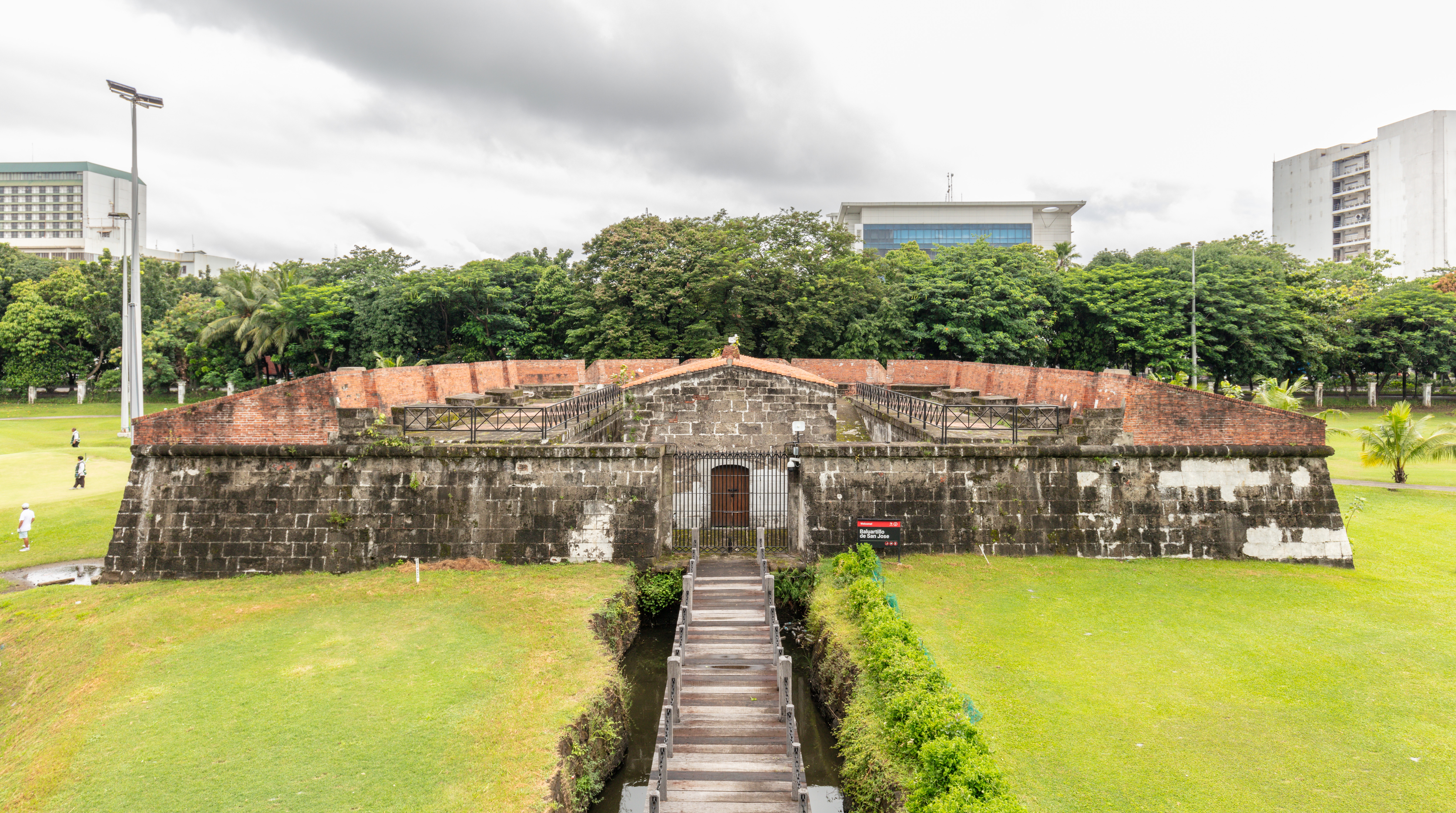
Fort Santiago is the historic citadel guarding the mouth of the Pasig River within Manila's walled city of Intramuros, and the most important fortress in the Philippines. Built by Spanish colonists in the 16th century, its stone gate (emblazoned with a carved relief of St. James) opens onto well-kept gardens, ramparts, and ruins layered with the country's turbulent history. Above all, it is a shrine to José Rizal, the national hero, who was imprisoned in the fort before his execution in 1896; you can trace his final footsteps (marked in brass) to the spot of his death and visit the Rizal Shrine museum of his life and writings.
It's a peaceful, green, and deeply significant place, part historic fort, part memorial garden, and the highlight of an Intramuros visit. Allow time for the Rizal museum and the riverside ramparts.
À ne pas manquer
- The historic Spanish citadel and stone gate
- The José Rizal Shrine and his final footsteps in brass
- Ramparts overlooking the Pasig River
- Well-kept gardens and ruins
- Its setting within the walled city of Intramuros
Billets et visites
Différentes façons de visiter Fort Santiago
Vous pouvez visiter par vous-même (Modest paid entry (covers the fort and Rizal Shrine)). Une visite ajoute le transport et un guide, ou combine les sites voisins en une journée.
 Le moins cherExperience Intramuros with Bamboo Bicycle - Ecotours4.8★ · 563 voyageurs~3 heuresAnnulation gratuiteDès$39 par personneVoir les dates →
 Le plus réservéManila Food Tour: Introduction to Philippine Street Food5★ · 504 voyageurs~3 heuresAnnulation gratuiteDès$51 par personneVoir les dates →
 Privé et flexibleA private Historical Intramuros & highlights in Manila4.9★ · 19 voyageurs~8 heuresDès$168 par personneVoir les dates →
Idéal pour
Comment les voyageurs le notent
Comment s'y rendre
Bon à savoir avant de partir
- Follow the brass footsteps marking Rizal's final walk to his execution.
- Visit the Rizal Shrine museum within the fort for context on the national hero.
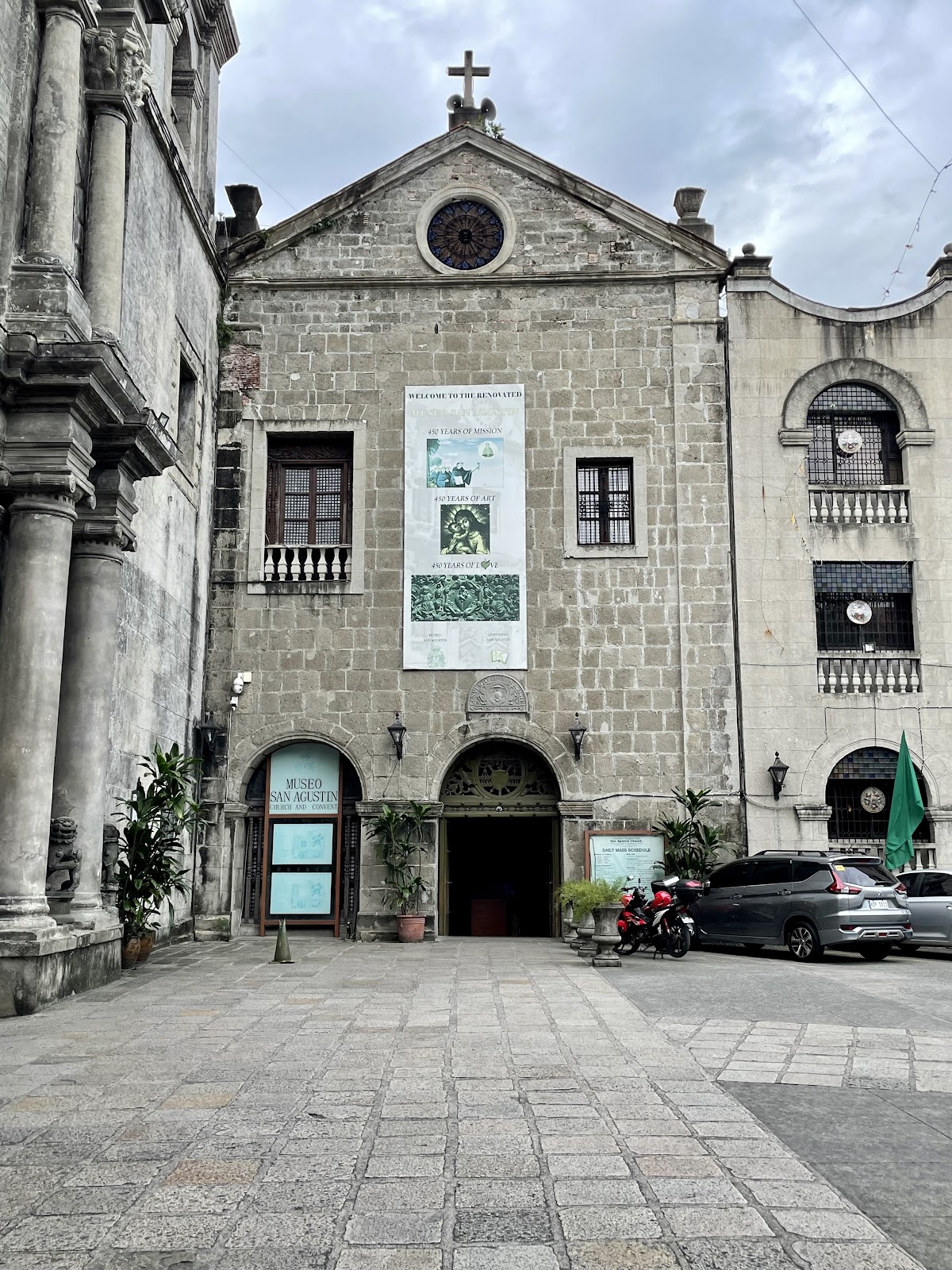
- It's the highlight of Intramuros, combine with San Agustin Church and the walls.
- Go early or late to avoid Manila's midday heat.
Un peu d'histoire
Built from 1571 by the Spanish as the defensive heart of Intramuros, Fort Santiago witnessed centuries of colonial history. José Rizal was held here before his 1896 execution that helped spark the Philippine Revolution. Badly damaged in WWII, it has been restored as a historic park and Rizal memorial.
Questions fréquentes
Why is Fort Santiago significant?
It's the historic Spanish citadel of Intramuros and a shrine to national hero José Rizal, who was imprisoned here before his 1896 execution, a pivotal moment in Philippine history.
What's the José Rizal connection?
Rizal was held in the fort before his execution; brass footsteps trace his final walk, and the Rizal Shrine museum tells his life story.
How long should I spend?
About 1–1.5 hours for the fort, gardens, ramparts, and the Rizal Shrine.
Is it part of Intramuros?
Yes, it's the citadel within the walled city of Intramuros, and the highlight of a visit there.
Plus d'attractions à Manila