Landmark
Martyr's Square
Certains liens de réservation sont des liens affiliés. Si vous réservez via ces liens, nous pouvons percevoir une petite commission sans frais supplémentaires pour vous. Cela n'influence jamais nos recommandations.
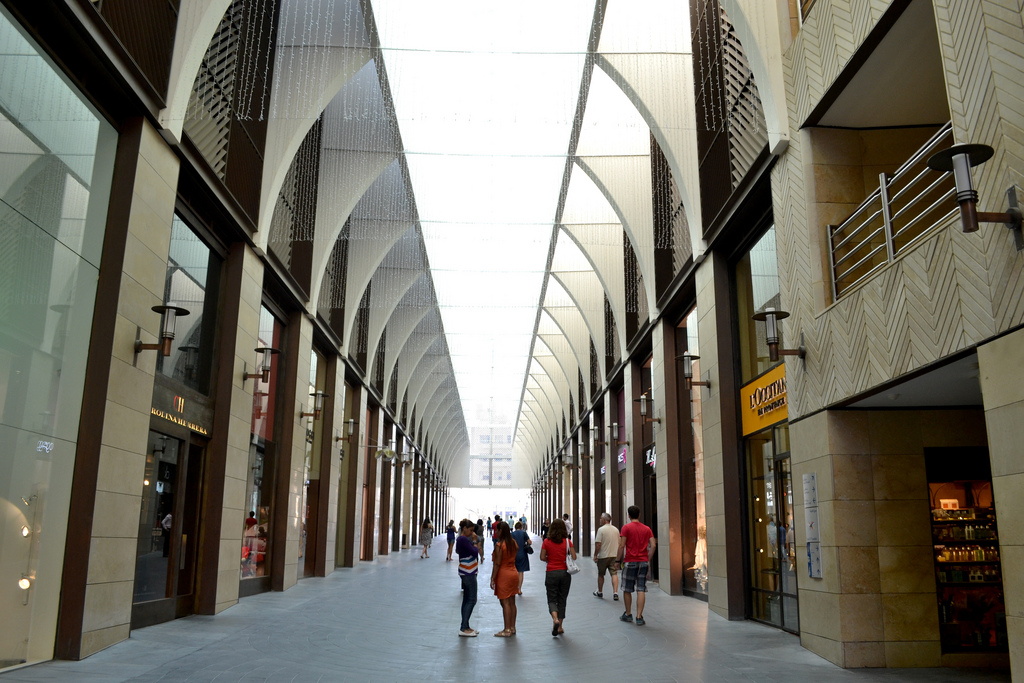
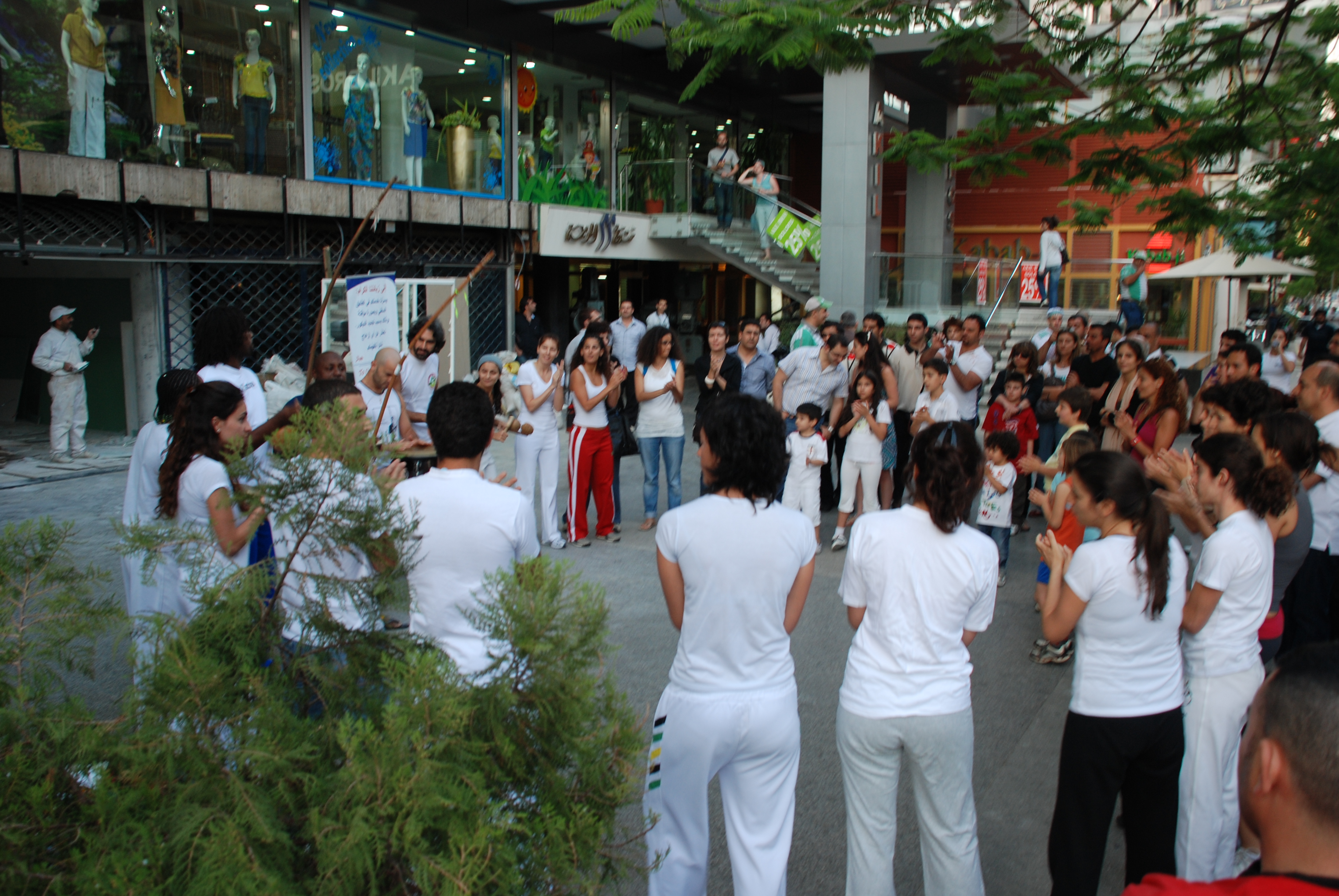
Martyr's Square is a significant urban space in the heart of Beirut, Lebanon. It serves as a central hub for political and social gatherings, most notably during the 2005 Cedar Revolution and subsequent protests. The square is named after the martyrs of the Lebanese independence movement, and it features a prominent statue commemorating them. Visitors will find a large open area surrounded by historic buildings, cafes, and shops. The square is often bustling with activity, from casual strollers to organized demonstrations. Its location near the Beirut Central District makes it a convenient starting point for exploring the city's landmarks, including the nearby Al-Amin Mosque and the Beirut Souks. The atmosphere is a mix of solemn history and vibrant city life, offering a unique glimpse into Beirut's complex identity.
À ne pas manquer
- The Martyr's Statue, a bronze monument commemorating those executed in 1916
- The surrounding historic architecture, including the Grand Serail and the Saint George Greek Orthodox Cathedral
- The vibrant street life and nearby cafes, perfect for people-watching
- Proximity to the Beirut Souks for shopping and dining
- The square's role as a gathering place for national events and celebrations
Billets et visites
Différentes façons de visiter Martyr's Square
Pas besoin de visite guidée, l'entrée est gratuite. Une visite vaut le coup si vous voulez un transport, un guide, ou combiner Martyr's Square avec d'autres sites en une journée. C'est ce qu'elles font bien.
Idéal pour
Comment les voyageurs le notent
Comment s'y rendre
Bon à savoir avant de partir
- Check local news before visiting, as the square may host political protests that could affect access.
- Photography is allowed, but be respectful of any ongoing events or memorials.
- Beirut can be hot in summer; bring water and sun protection.
- Wear comfortable shoes, as the square is large and you may want to explore the surrounding streets.
Un peu d'histoire
Originally called the Place des Canons, the square was renamed Martyr's Square after the execution of Lebanese nationalists by the Ottoman Empire in 1916. It became a focal point for protests during the 2005 Cedar Revolution and remains a symbol of political expression.
Questions fréquentes
Is Martyr's Square safe to visit?
Yes, it is generally safe, but be aware of your surroundings, especially during political events. Avoid large crowds if you prefer a quieter visit.
What is the best way to get to Martyr's Square?
Taxis are common and affordable. You can also walk from the Beirut Souks or the Corniche.
Are there restaurants near the square?
Yes, many cafes and restaurants are within walking distance, especially along the nearby streets and in the Beirut Souks.
Can I visit at night?
Yes, the square is well-lit and often busy in the evenings, but exercise normal caution.
Is there parking nearby?
Limited street parking is available, but it's easier to take a taxi or use public transport.
What is the significance of the statue?
The statue commemorates the Lebanese nationalists executed by the Ottomans in 1916, symbolizing the struggle for independence.
Plus d'attractions à Beirut