Landmark
Martyr's Square
Alguns links de reserva são links de afiliados. Se você reservar por eles, podemos receber uma pequena comissão sem custo extra para você. Isso nunca influencia quais lugares recomendamos.
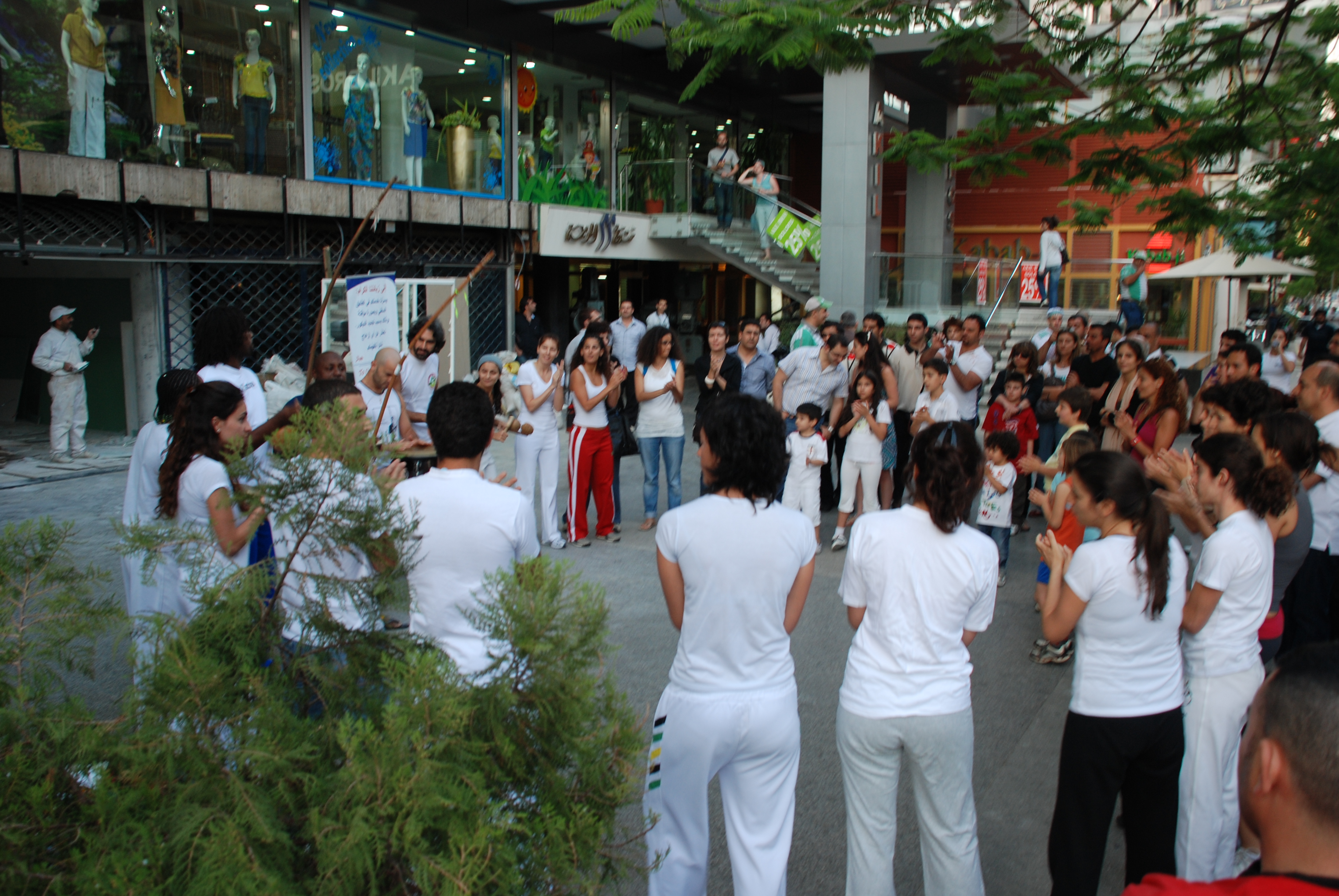
Martyr's Square is a significant urban space in the heart of Beirut, Lebanon. It serves as a central hub for political and social gatherings, most notably during the 2005 Cedar Revolution and subsequent protests. The square is named after the martyrs of the Lebanese independence movement, and it features a prominent statue commemorating them. Visitors will find a large open area surrounded by historic buildings, cafes, and shops. The square is often bustling with activity, from casual strollers to organized demonstrations. Its location near the Beirut Central District makes it a convenient starting point for exploring the city's landmarks, including the nearby Al-Amin Mosque and the Beirut Souks. The atmosphere is a mix of solemn history and vibrant city life, offering a unique glimpse into Beirut's complex identity.
Não perca
- The Martyr's Statue, a bronze monument commemorating those executed in 1916
- The surrounding historic architecture, including the Grand Serail and the Saint George Greek Orthodox Cathedral
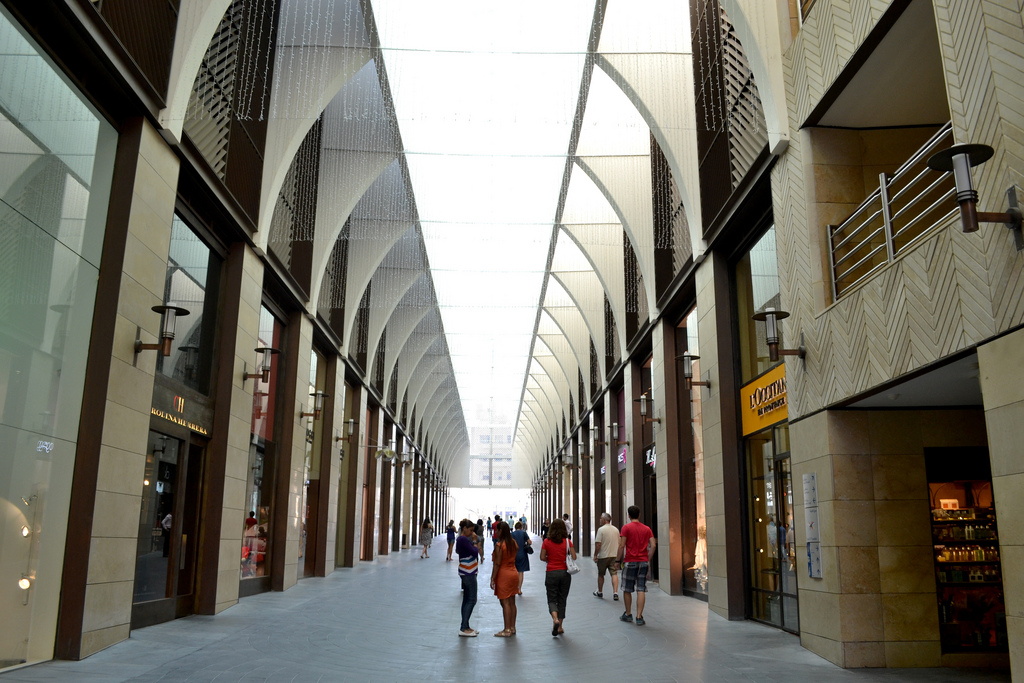
- The vibrant street life and nearby cafes, perfect for people-watching
- Proximity to the Beirut Souks for shopping and dining
- The square's role as a gathering place for national events and celebrations
Ingressos e passeios
Formas de visitar Martyr's Square
Você não precisa de um passeio para visitar, a entrada é gratuita. Vale a pena fazer um passeio se quiser transporte, guia ou combinar Martyr's Square com pontos próximos em um dia. É isso que eles fazem bem.
Ideal para
Como os viajantes avaliam
Como chegar
Antes de ir
- Check local news before visiting, as the square may host political protests that could affect access.
- Photography is allowed, but be respectful of any ongoing events or memorials.
- Beirut can be hot in summer; bring water and sun protection.
- Wear comfortable shoes, as the square is large and you may want to explore the surrounding streets.
Um pouco de história
Originally called the Place des Canons, the square was renamed Martyr's Square after the execution of Lebanese nationalists by the Ottoman Empire in 1916. It became a focal point for protests during the 2005 Cedar Revolution and remains a symbol of political expression.
Perguntas frequentes
Is Martyr's Square safe to visit?
Yes, it is generally safe, but be aware of your surroundings, especially during political events. Avoid large crowds if you prefer a quieter visit.
What is the best way to get to Martyr's Square?
Taxis are common and affordable. You can also walk from the Beirut Souks or the Corniche.
Are there restaurants near the square?
Yes, many cafes and restaurants are within walking distance, especially along the nearby streets and in the Beirut Souks.
Can I visit at night?
Yes, the square is well-lit and often busy in the evenings, but exercise normal caution.
Is there parking nearby?
Limited street parking is available, but it's easier to take a taxi or use public transport.
What is the significance of the statue?
The statue commemorates the Lebanese nationalists executed by the Ottomans in 1916, symbolizing the struggle for independence.
Mais atrações em Beirut