Landmark
Martyr's Square
Một số liên kết đặt chỗ là liên kết tiếp thị. Nếu bạn đặt qua chúng, chúng tôi có thể nhận được một khoản hoa hồng nhỏ mà bạn không phải trả thêm. Chúng tôi không bao giờ để điều này ảnh hưởng đến các địa điểm chúng tôi giới thiệu.
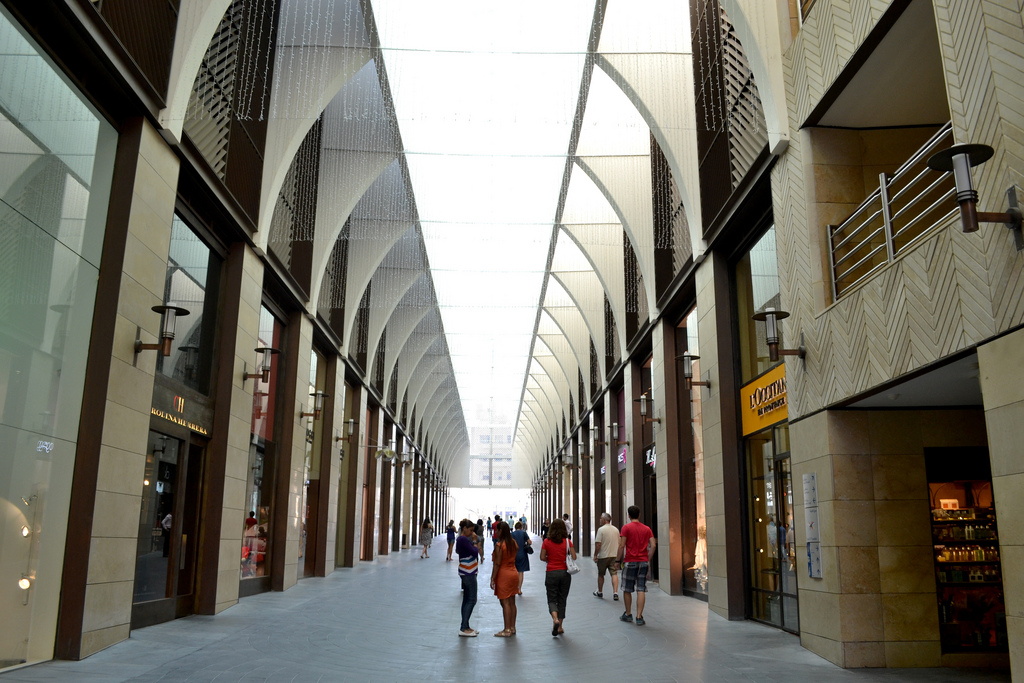
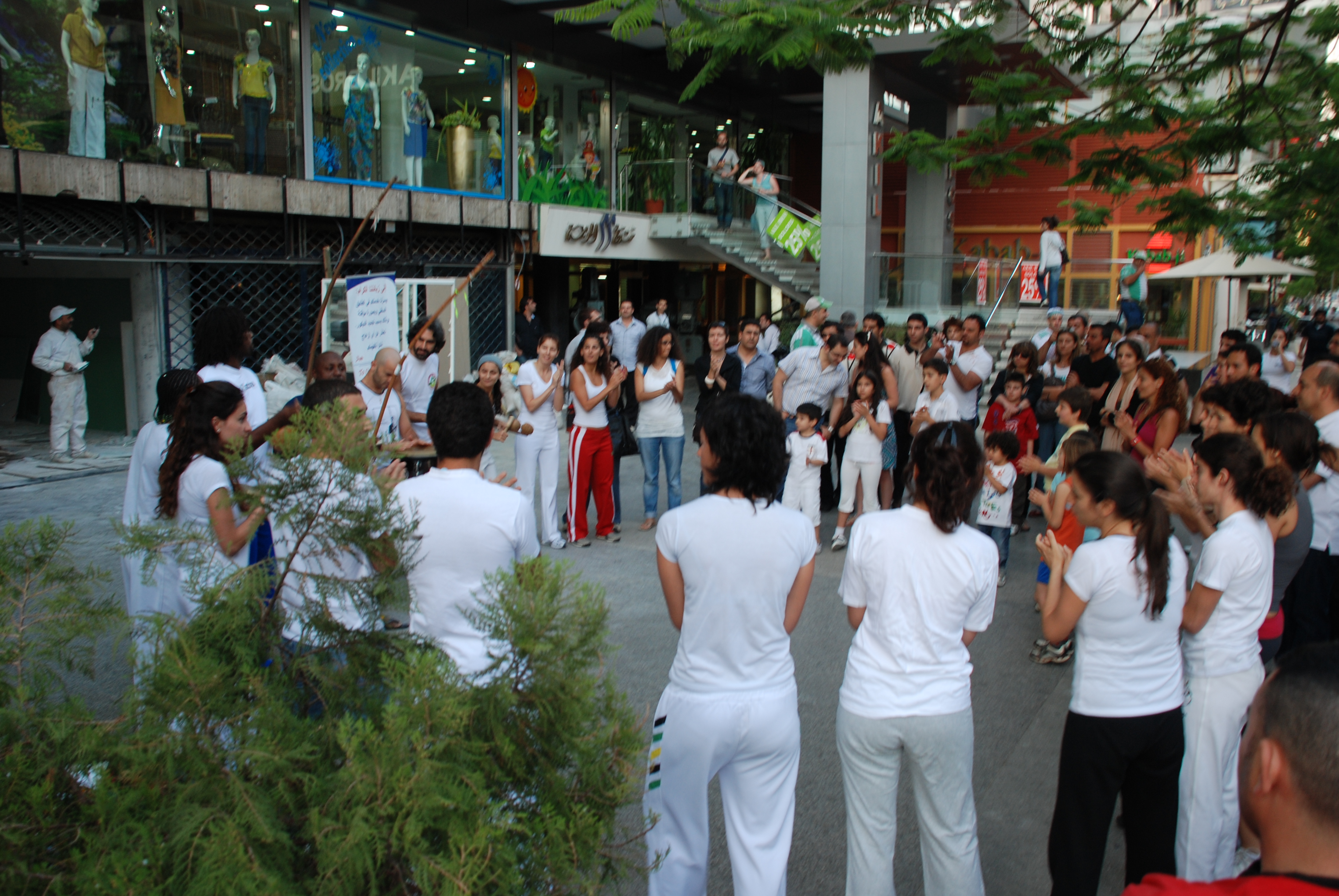
Martyr's Square is a significant urban space in the heart of Beirut, Lebanon. It serves as a central hub for political and social gatherings, most notably during the 2005 Cedar Revolution and subsequent protests. The square is named after the martyrs of the Lebanese independence movement, and it features a prominent statue commemorating them. Visitors will find a large open area surrounded by historic buildings, cafes, and shops. The square is often bustling with activity, from casual strollers to organized demonstrations. Its location near the Beirut Central District makes it a convenient starting point for exploring the city's landmarks, including the nearby Al-Amin Mosque and the Beirut Souks. The atmosphere is a mix of solemn history and vibrant city life, offering a unique glimpse into Beirut's complex identity.
Đừng bỏ lỡ
- The Martyr's Statue, a bronze monument commemorating those executed in 1916
- The surrounding historic architecture, including the Grand Serail and the Saint George Greek Orthodox Cathedral
- The vibrant street life and nearby cafes, perfect for people-watching
- Proximity to the Beirut Souks for shopping and dining
- The square's role as a gathering place for national events and celebrations
Vé & tour
Các cách tham quan Martyr's Square
Bạn không cần tour để tham quan, vé vào cửa miễn phí. Tour đáng giá nếu bạn cần phương tiện di chuyển, hướng dẫn viên, hoặc muốn kết hợp Martyr's Square với các điểm gần đó trong một ngày. Đó là những gì các tour này làm tốt.
Phù hợp cho
Du khách đánh giá thế nào
Cách di chuyển
Điều cần biết trước khi đi
- Check local news before visiting, as the square may host political protests that could affect access.
- Photography is allowed, but be respectful of any ongoing events or memorials.
- Beirut can be hot in summer; bring water and sun protection.
- Wear comfortable shoes, as the square is large and you may want to explore the surrounding streets.
Một chút lịch sử
Originally called the Place des Canons, the square was renamed Martyr's Square after the execution of Lebanese nationalists by the Ottoman Empire in 1916. It became a focal point for protests during the 2005 Cedar Revolution and remains a symbol of political expression.
Câu hỏi thường gặp
Is Martyr's Square safe to visit?
Yes, it is generally safe, but be aware of your surroundings, especially during political events. Avoid large crowds if you prefer a quieter visit.
What is the best way to get to Martyr's Square?
Taxis are common and affordable. You can also walk from the Beirut Souks or the Corniche.
Are there restaurants near the square?
Yes, many cafes and restaurants are within walking distance, especially along the nearby streets and in the Beirut Souks.
Can I visit at night?
Yes, the square is well-lit and often busy in the evenings, but exercise normal caution.
Is there parking nearby?
Limited street parking is available, but it's easier to take a taxi or use public transport.
What is the significance of the statue?
The statue commemorates the Lebanese nationalists executed by the Ottomans in 1916, symbolizing the struggle for independence.
Thêm điểm tham quan ở Beirut