Landmark
Negarestan Palace
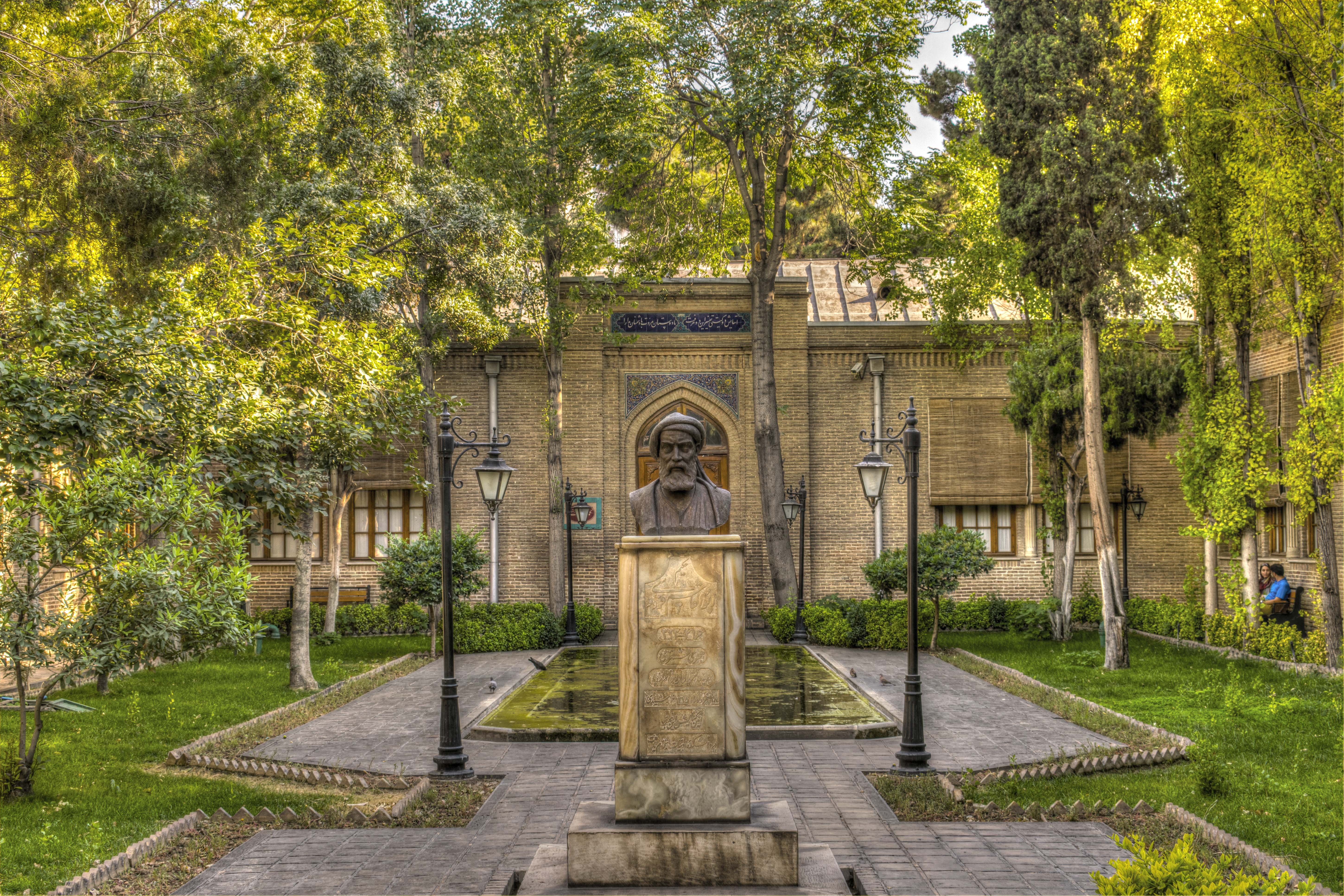 Mostafaei mohsen · Wikimedia Commons · CC BY-SA 4.0
Certains liens de réservation sont des liens affiliés. Si vous réservez via ces liens, nous pouvons percevoir une petite commission sans frais supplémentaires pour vous. Cela n'influence jamais nos recommandations.
Negarestan Palace, also known as Negarestan Garden, is a historic building in Tehran built as a summer residence for Fath-Ali Shah Qajar in 1807. Its name means 'Place of paintings,' referring to a room filled with portrait paintings. You can see the palace and its garden, which once hosted annual camel sacrifices on Eid al Adha.
À ne pas manquer
- The room of paintings that gives the palace its name, Negarestan ('Place of paintings')
- The summer residence built for Fath-Ali Shah Qajar in 1807
- The garden setting, once used for annual Eid al Adha camel sacrifices
Billets et visites
Différentes façons de visiter Negarestan Palace
Vous pouvez voir Negarestan Palace par vous-même. Une visite vaut le coup pour l'histoire derrière le site, pour le transport, ou pour combiner les sites voisins en une journée.
Comment s'y rendre
Un peu d'histoire
After Fath-Ali Shah's death, Mohammad Shah Qajar was crowned here. It was also where Qaem Maqam Farahani was killed on Mohammad Shah's orders. Later, the palace served as an agriculture school, a school of fine arts, and the seat of the Ministry of Justice.
Questions fréquentes
What does 'Negarestan' mean?
It means 'Place of paintings,' referring to a room with many portrait paintings.
Who built Negarestan Palace?
It was built by order of Fath-Ali Shah Qajar in 1807 as a summer residence.
What happened here after Fath-Ali Shah's death?
Mohammad Shah Qajar was crowned here, and Qaem Maqam Farahani was killed here on his orders.
Plus d'attractions à Tehran