Landmark
Negarestan Palace
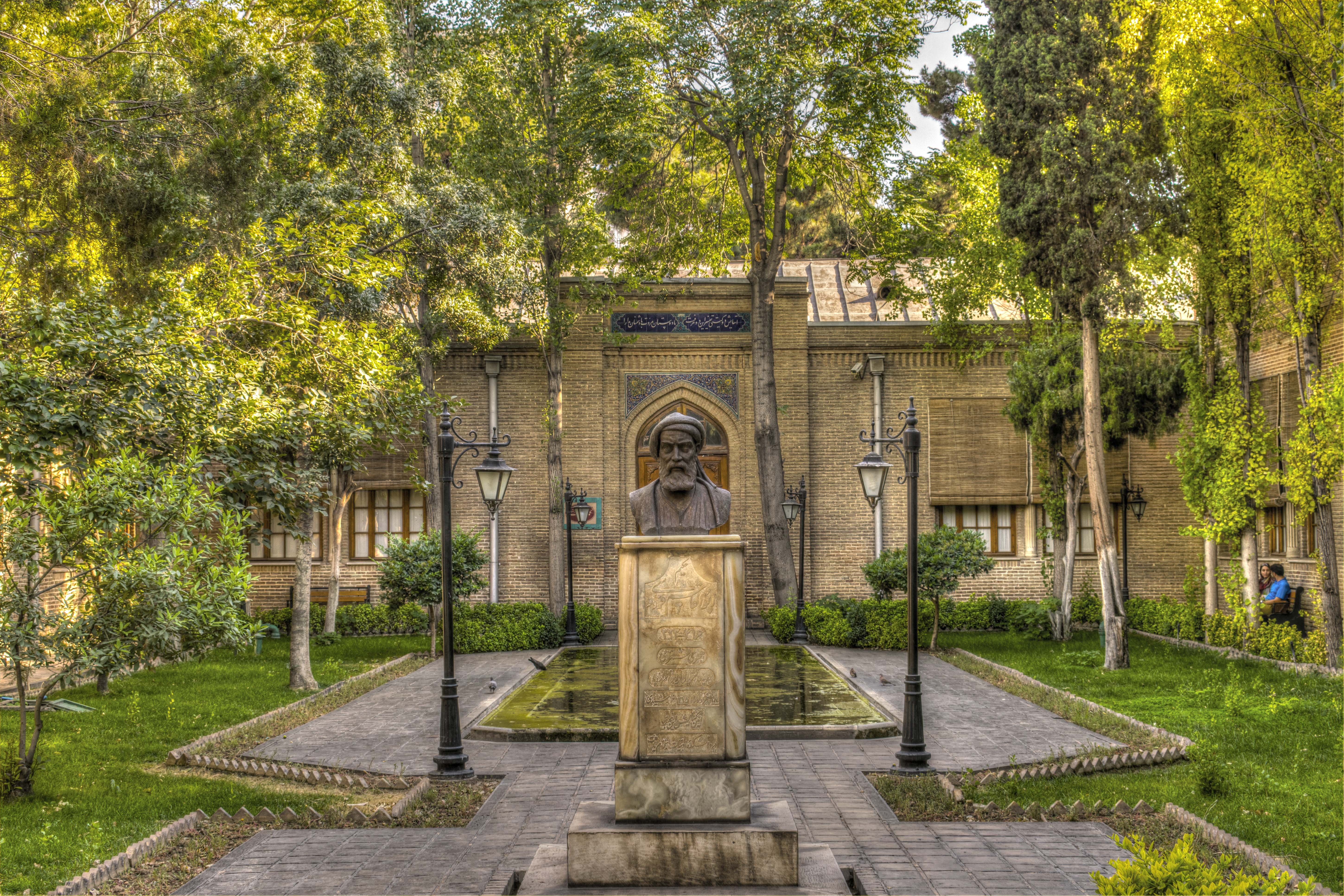 Mostafaei mohsen · Wikimedia Commons · CC BY-SA 4.0
Alcuni link di prenotazione sono link affiliati. Se prenoti tramite loro, potremmo guadagnare una piccola commissione senza costi aggiuntivi per te. Non lasciamo mai che questo influenzi i luoghi che raccomandiamo.
Negarestan Palace, also known as Negarestan Garden, is a historic building in Tehran built as a summer residence for Fath-Ali Shah Qajar in 1807. Its name means 'Place of paintings,' referring to a room filled with portrait paintings. You can see the palace and its garden, which once hosted annual camel sacrifices on Eid al Adha.
Da non perdere
- The room of paintings that gives the palace its name, Negarestan ('Place of paintings')
- The summer residence built for Fath-Ali Shah Qajar in 1807
- The garden setting, once used for annual Eid al Adha camel sacrifices
Biglietti e tour
Modi per visitare Negarestan Palace
Puoi vedere Negarestan Palace da solo. Un tour vale la pena per la storia dietro, per il trasporto, o per combinare attrazioni vicine in un giorno.
Come arrivare
Un po' di storia
After Fath-Ali Shah's death, Mohammad Shah Qajar was crowned here. It was also where Qaem Maqam Farahani was killed on Mohammad Shah's orders. Later, the palace served as an agriculture school, a school of fine arts, and the seat of the Ministry of Justice.
Domande frequenti
What does 'Negarestan' mean?
It means 'Place of paintings,' referring to a room with many portrait paintings.
Who built Negarestan Palace?
It was built by order of Fath-Ali Shah Qajar in 1807 as a summer residence.
What happened here after Fath-Ali Shah's death?
Mohammad Shah Qajar was crowned here, and Qaem Maqam Farahani was killed here on his orders.
Altre attrazioni a Tehran