Landmark
Negarestan Palace
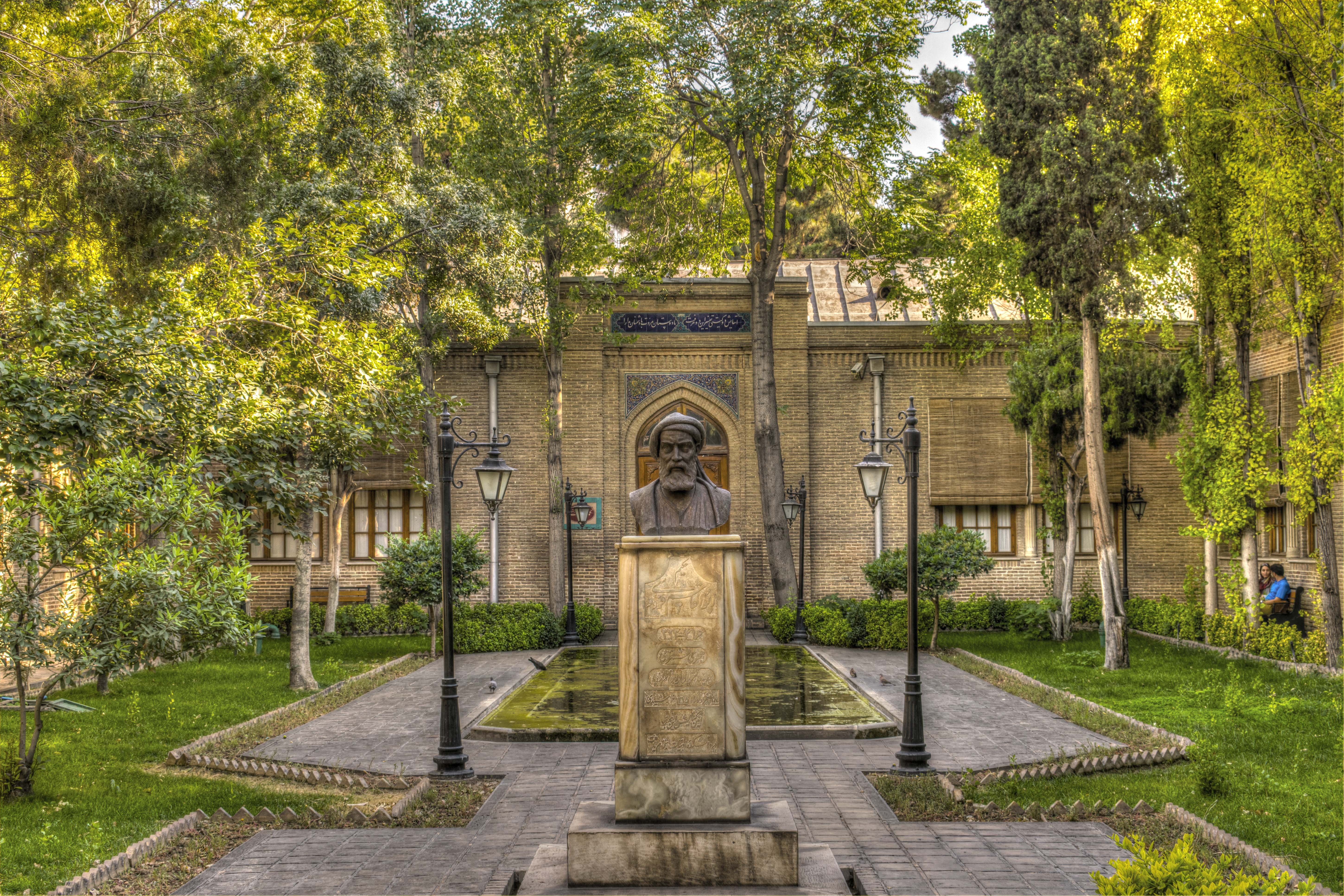 Mostafaei mohsen · Wikimedia Commons · CC BY-SA 4.0
Einige Buchungslinks sind Affiliate-Links. Wenn du darüber buchst, erhalten wir möglicherweise eine kleine Provision ohne zusätzliche Kosten für dich. Das beeinflusst nie unsere Empfehlungen.
Negarestan Palace, also known as Negarestan Garden, is a historic building in Tehran built as a summer residence for Fath-Ali Shah Qajar in 1807. Its name means 'Place of paintings,' referring to a room filled with portrait paintings. You can see the palace and its garden, which once hosted annual camel sacrifices on Eid al Adha.
Nicht verpassen
- The room of paintings that gives the palace its name, Negarestan ('Place of paintings')
- The summer residence built for Fath-Ali Shah Qajar in 1807
- The garden setting, once used for annual Eid al Adha camel sacrifices
Tickets & Touren
Möglichkeiten, Negarestan Palace zu besuchen
Du kannst Negarestan Palace alleine sehen. Eine Tour lohnt sich für die Geschichte dahinter, für Transport oder die Kombination mit nahegelegenen Sehenswürdigkeiten an einem Tag.
Anreise
Ein Stück Geschichte
After Fath-Ali Shah's death, Mohammad Shah Qajar was crowned here. It was also where Qaem Maqam Farahani was killed on Mohammad Shah's orders. Later, the palace served as an agriculture school, a school of fine arts, and the seat of the Ministry of Justice.
Häufige Fragen
What does 'Negarestan' mean?
It means 'Place of paintings,' referring to a room with many portrait paintings.
Who built Negarestan Palace?
It was built by order of Fath-Ali Shah Qajar in 1807 as a summer residence.
What happened here after Fath-Ali Shah's death?
Mohammad Shah Qajar was crowned here, and Qaem Maqam Farahani was killed here on his orders.
Weitere Attraktionen in Tehran