Park & nature
Humble Administrator's Garden
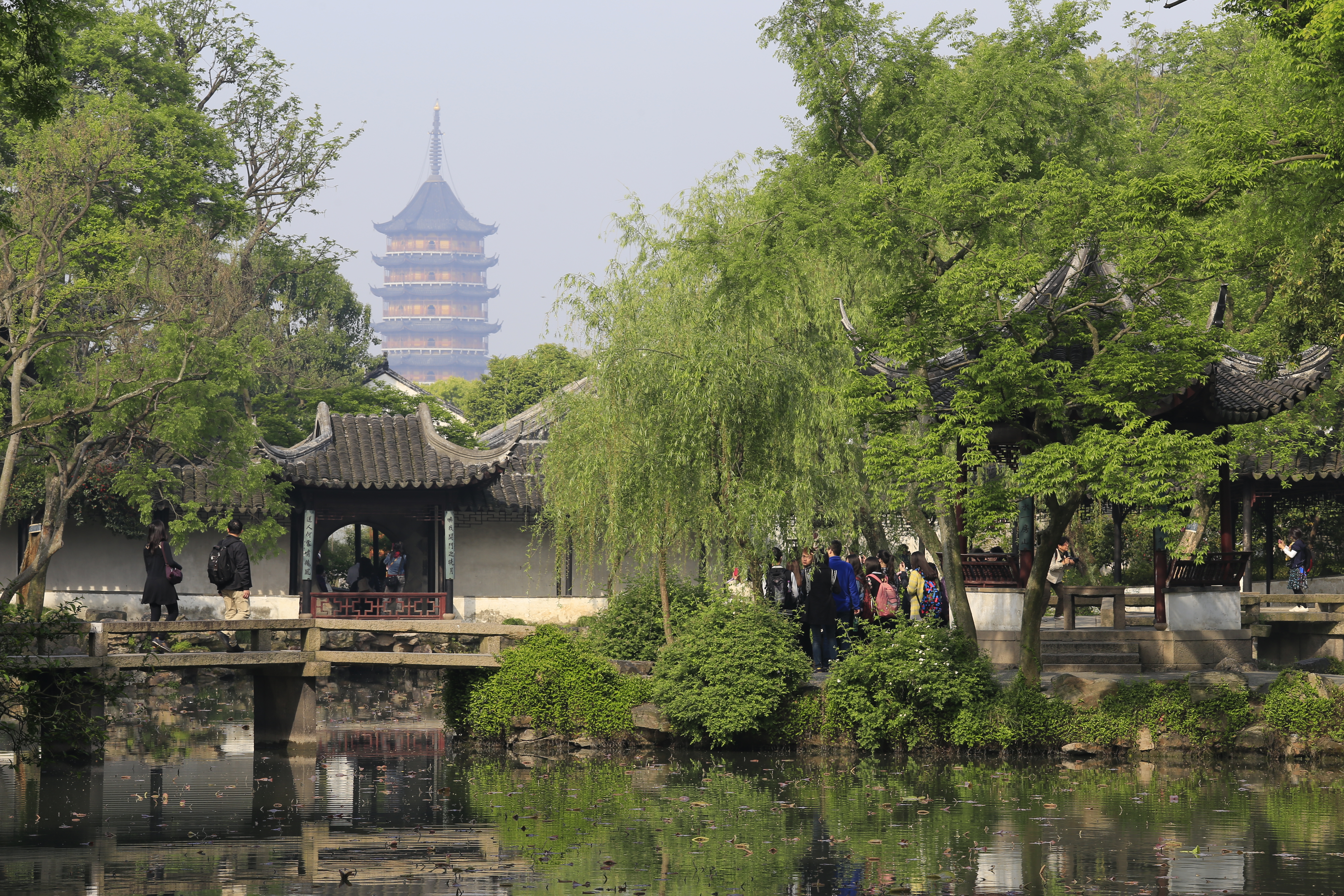 Zhangzhugang · Wikimedia Commons · CC BY-SA 4.0
Certains liens de réservation sont des liens affiliés. Si vous réservez via ces liens, nous pouvons percevoir une petite commission sans frais supplémentaires pour vous. Cela n'influence jamais nos recommandations.
The Humble Administrator's Garden in Suzhou is the largest and most celebrated of the city's classical gardens, and widely considered the finest classical garden in all of China, a UNESCO World Heritage Site. Created in the 16th century, it's a masterpiece of the Chinese garden art of 'borrowing scenery' and miniaturising nature: a series of interconnected ponds, islands, pavilions, zigzag bridges, covered walkways, and framed views, designed so that every turn reveals a deliberately composed scene. Lotus-filled waters, latticed windows, and a pagoda 'borrowed' from beyond the walls create a serene, contemplative landscape.
Suzhou's gardens are the artistic peak of this tradition, and this is the one to see if you visit only one. Go early to beat crowds and savour the tranquillity the gardens were designed for. Combine it with the nearby Suzhou Museum (designed by I.M. Pei) for a perfect pairing.
À ne pas manquer
- The largest and finest of Suzhou's classical gardens
- Ponds, islands, pavilions, and zigzag bridges
- The art of 'borrowed scenery' and framed views
- Lotus-filled waters and latticed windows
- Pairing with the I.M. Pei-designed Suzhou Museum nearby
Billets et visites
Différentes façons de visiter Humble Administrator's Garden
Vous pouvez visiter par vous-même (Paid entry (higher in peak lotus season). Buy on arrival or online). Une visite ajoute le transport et un guide, ou combine les sites voisins en une journée.
Idéal pour
Comment les voyageurs le notent
Comment s'y rendre
Bon à savoir avant de partir
- Go early, the gardens were designed for tranquillity, which crowds destroy by midday.
- It's an easy day trip from Shanghai by high-speed train.
- Pair it with the adjacent I.M. Pei-designed Suzhou Museum (free).
- Summer brings lotus blooms; autumn brings colour.
Un peu d'histoire
Built in 1509 during the Ming dynasty by a retired official (the name is a wry, self-deprecating reference), the garden was created and refined over centuries as a private scholar's garden. It epitomises the classical Suzhou garden tradition and is a UNESCO World Heritage Site.
Questions fréquentes
Why is it special?
It's the largest and most celebrated classical garden in Suzhou, and widely regarded as the finest in China, a UNESCO-listed masterpiece of pond, pavilion, and 'borrowed scenery' design.
Can I visit it from Shanghai?
Yes, Suzhou is an easy day trip by high-speed train, and the garden is central, near the Suzhou Museum.
When's the best time to go?
Early morning for tranquillity and to beat crowds; summer for lotus blooms and autumn for colour.
What should I pair it with?
The adjacent Suzhou Museum, designed by architect I.M. Pei, makes a perfect complement and is free to enter.
Plus d'attractions à Suzhou