Park & nature
Humble Administrator's Garden
 Zhangzhugang · Wikimedia Commons · CC BY-SA 4.0
Một số liên kết đặt chỗ là liên kết tiếp thị. Nếu bạn đặt qua chúng, chúng tôi có thể nhận được một khoản hoa hồng nhỏ mà bạn không phải trả thêm. Chúng tôi không bao giờ để điều này ảnh hưởng đến các địa điểm chúng tôi giới thiệu.
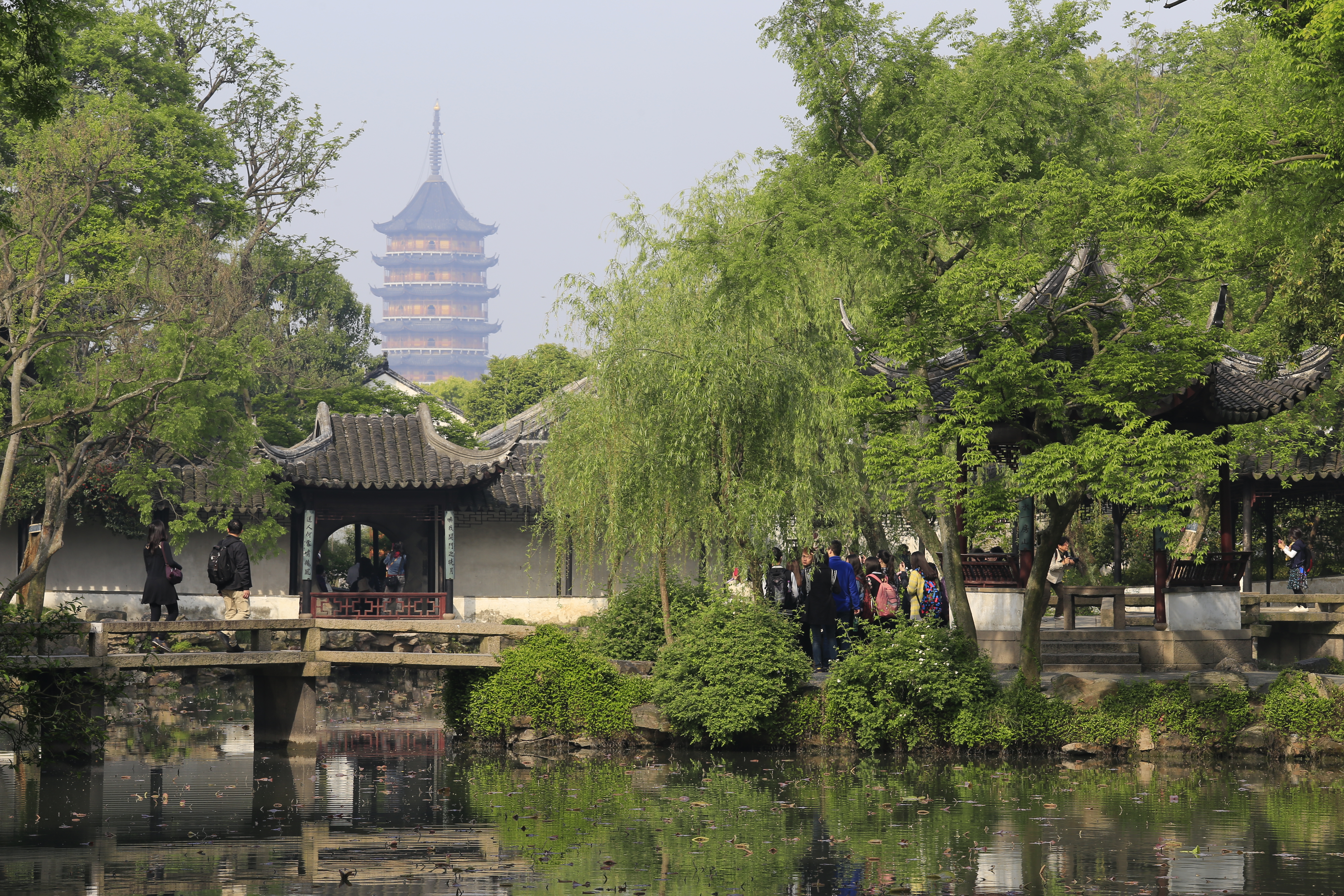
The Humble Administrator's Garden in Suzhou is the largest and most celebrated of the city's classical gardens, and widely considered the finest classical garden in all of China, a UNESCO World Heritage Site. Created in the 16th century, it's a masterpiece of the Chinese garden art of 'borrowing scenery' and miniaturising nature: a series of interconnected ponds, islands, pavilions, zigzag bridges, covered walkways, and framed views, designed so that every turn reveals a deliberately composed scene. Lotus-filled waters, latticed windows, and a pagoda 'borrowed' from beyond the walls create a serene, contemplative landscape.
Suzhou's gardens are the artistic peak of this tradition, and this is the one to see if you visit only one. Go early to beat crowds and savour the tranquillity the gardens were designed for. Combine it with the nearby Suzhou Museum (designed by I.M. Pei) for a perfect pairing.
Đừng bỏ lỡ
- The largest and finest of Suzhou's classical gardens
- Ponds, islands, pavilions, and zigzag bridges
- The art of 'borrowed scenery' and framed views
- Lotus-filled waters and latticed windows
- Pairing with the I.M. Pei-designed Suzhou Museum nearby
Vé & tour
Các cách tham quan Humble Administrator's Garden
Bạn có thể tự tham quan (Paid entry (higher in peak lotus season). Buy on arrival or online). Tour thêm phương tiện và hướng dẫn viên, hoặc kết hợp các điểm gần đó trong một ngày.
Phù hợp cho
Du khách đánh giá thế nào
Cách di chuyển
Điều cần biết trước khi đi
- Go early, the gardens were designed for tranquillity, which crowds destroy by midday.
- It's an easy day trip from Shanghai by high-speed train.
- Pair it with the adjacent I.M. Pei-designed Suzhou Museum (free).
- Summer brings lotus blooms; autumn brings colour.
Một chút lịch sử
Built in 1509 during the Ming dynasty by a retired official (the name is a wry, self-deprecating reference), the garden was created and refined over centuries as a private scholar's garden. It epitomises the classical Suzhou garden tradition and is a UNESCO World Heritage Site.
Câu hỏi thường gặp
Why is it special?
It's the largest and most celebrated classical garden in Suzhou, and widely regarded as the finest in China, a UNESCO-listed masterpiece of pond, pavilion, and 'borrowed scenery' design.
Can I visit it from Shanghai?
Yes, Suzhou is an easy day trip by high-speed train, and the garden is central, near the Suzhou Museum.
When's the best time to go?
Early morning for tranquillity and to beat crowds; summer for lotus blooms and autumn for colour.
What should I pair it with?
The adjacent Suzhou Museum, designed by architect I.M. Pei, makes a perfect complement and is free to enter.
Thêm điểm tham quan ở Suzhou