Park & nature
Japanese Garden
 Ivanoff~commonswiki · Wikimedia Commons · CC BY-SA 3.0
Certains liens de réservation sont des liens affiliés. Si vous réservez via ces liens, nous pouvons percevoir une petite commission sans frais supplémentaires pour vous. Cela n'influence jamais nos recommandations.
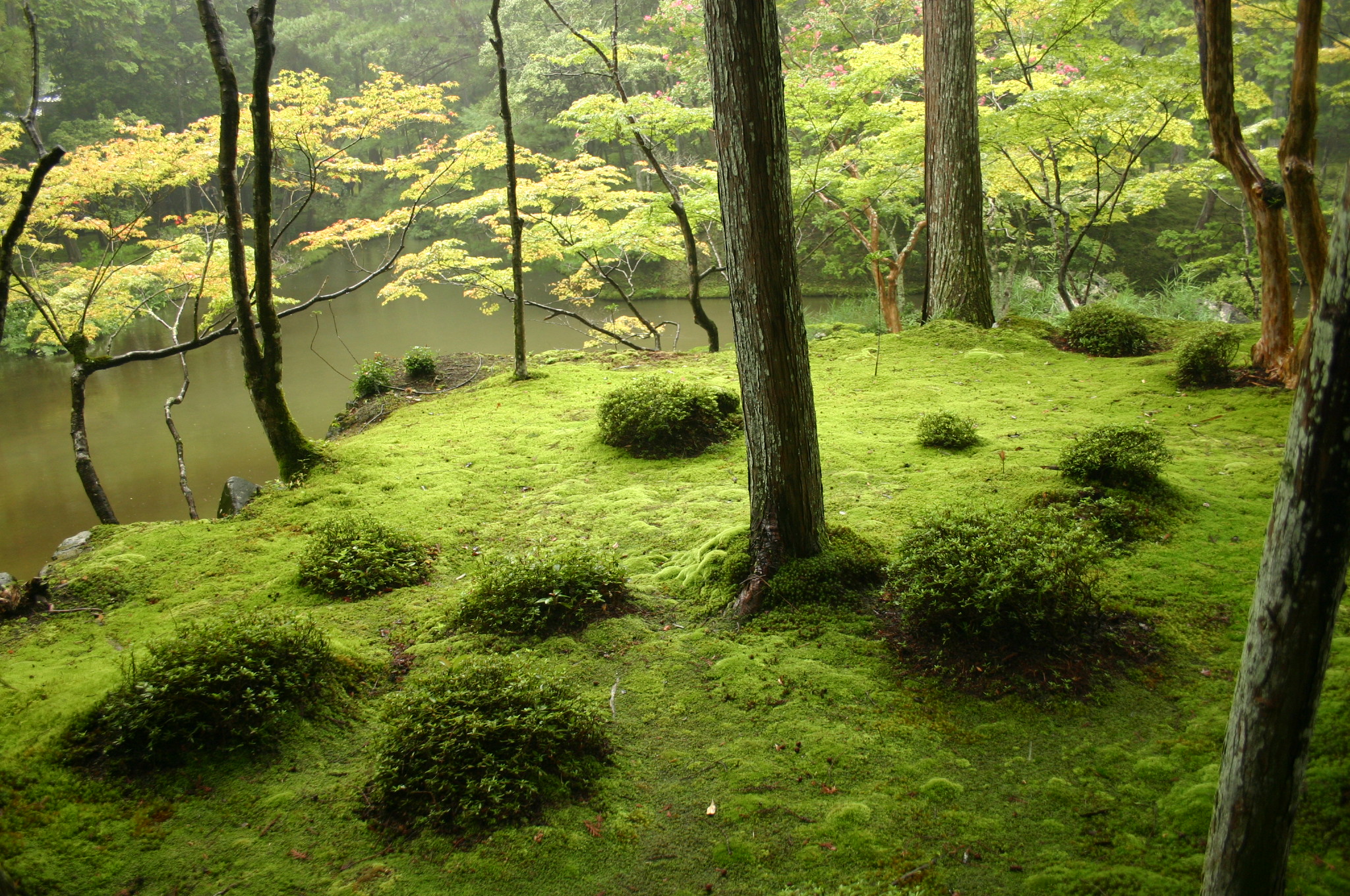
The Japanese Garden in Manila is a tranquil landscaped park located within the larger Rizal Park complex, near the intersection of Maria Orosa Street and Padre Burgos Street. Designed in traditional Japanese style, it features a central pond filled with koi fish, crossed by a curved wooden bridge. Stone lanterns, carefully pruned bonsai trees, and manicured shrubs create a calm, meditative atmosphere. A small tea house sits by the water, occasionally used for cultural events. The garden is a popular spot for locals and tourists seeking a quiet retreat from the bustle of Manila. While compact, it offers a distinct contrast to the surrounding urban environment, with benches for contemplation and photo opportunities. The garden is maintained by the National Parks Development Committee and is a testament to the Philippines' cultural ties with Japan.
À ne pas manquer
- Feed the koi fish in the central pond and watch them gather near the bridge.
- Photograph the stone lanterns and bonsai trees against the backdrop of the city skyline.
- Visit the tea house, which sometimes hosts tea ceremonies and cultural demonstrations.
- Stroll the winding paths and enjoy the contrast of greenery with the surrounding urban landscape.
Billets et visites
Différentes façons de visiter Japanese Garden
Pas besoin de visite guidée, l'entrée est gratuite. Une visite vaut le coup si vous voulez un transport, un guide, ou combiner Japanese Garden avec d'autres sites en une journée. C'est ce qu'elles font bien.
Idéal pour
Comment les voyageurs le notent
Comment s'y rendre
Bon à savoir avant de partir
- Bring water and sunscreen as the garden has limited shade.
- Koi food is sometimes sold by vendors, but you can also bring your own.
- The garden is popular for pre-wedding photos; expect occasional crowds.
- Do not feed the koi bread or human food; use only appropriate fish food.
Un peu d'histoire
The Japanese Garden was built in the 1970s as a symbol of friendship between the Philippines and Japan. It was part of the development of Rizal Park, which commemorates national hero José Rizal. The garden reflects traditional Japanese landscaping principles and has been a peaceful landmark in Manila for decades.
Questions fréquentes
Is there an entrance fee?
No, entry to the Japanese Garden and Rizal Park is free.
Can I have a picnic here?
Picnicking is allowed in Rizal Park, but the garden itself is small and better suited for quiet contemplation.
Are there restrooms nearby?
Yes, public restrooms are available in Rizal Park, though they may require a small fee.
Is the garden open every day?
Yes, it is open daily during park hours, typically from early morning until evening.
Can I visit the tea house?
The tea house is usually closed to the public except during special events, but you can view it from outside.
Plus d'attractions à Manila