Park & nature
Han River (Hubei and Shaanxi)
 fading · Wikimedia Commons · CC BY-SA 3.0
Certains liens de réservation sont des liens affiliés. Si vous réservez via ces liens, nous pouvons percevoir une petite commission sans frais supplémentaires pour vous. Cela n'influence jamais nos recommandations.
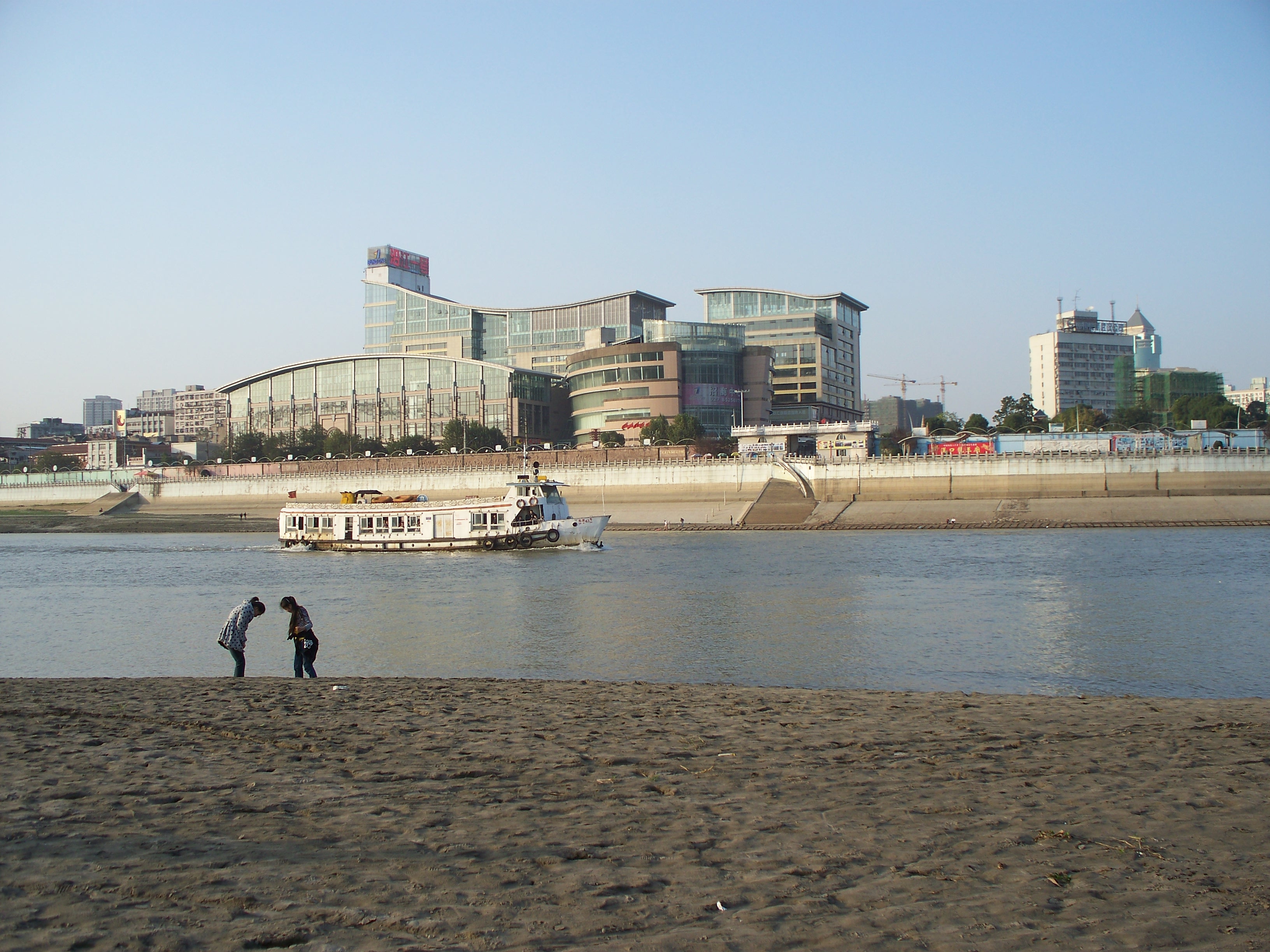
The Han River is a major tributary of the Yangtze, flowing 1,532 km through central China. In Wuhan, it meets the Yangtze, splitting the city into three districts: Wuchang, Hankou, and Hanyang. The area around this confluence is the Jianghan Plain.
À ne pas manquer
- The confluence of the Han and Yangtze rivers, which divides Wuhan into three sections.
- The Danjiangkou Dam and Reservoir, part of the South–North Water Transfer Project.
- The Qinba Laolin highland valley, protected by the Qinling and Daba mountains.
- The historic cities of Hanzhong and Ankang along the river's upper course.
Billets et visites
Différentes façons de visiter Han River (Hubei and Shaanxi)
Pas besoin de visite guidée, l'entrée est gratuite. Une visite vaut le coup si vous voulez un transport, un guide, ou combiner Han River (Hubei and Shaanxi) avec d'autres sites en une journée. C'est ce qu'elles font bien.
Comment s'y rendre
Bon à savoir avant de partir
- The Han River is the longest tributary of the Yangtze River system.
- The river was historically considered holy by local inhabitants and marks a dividing line between northern and southern China.
Un peu d'histoire
The river gave its name to the Han dynasty, one of ancient China's first golden ages, and through it to the Han Chinese people. It also lent its name to the city of Hanzhong on its upper course.
Questions fréquentes
How long is the Han River?
It is 1,532 km (952 mi) long.
What is the Han River's connection to the Han Chinese?
The river gave its name to the Han dynasty, which in turn gave its name to the Han Chinese ethnic group.
Where does the Han River meet the Yangtze?
It flows into the Yangtze at Wuhan, the capital of Hubei province.
Plus d'attractions à Wuhan