Park & nature
Han River (Hubei and Shaanxi)
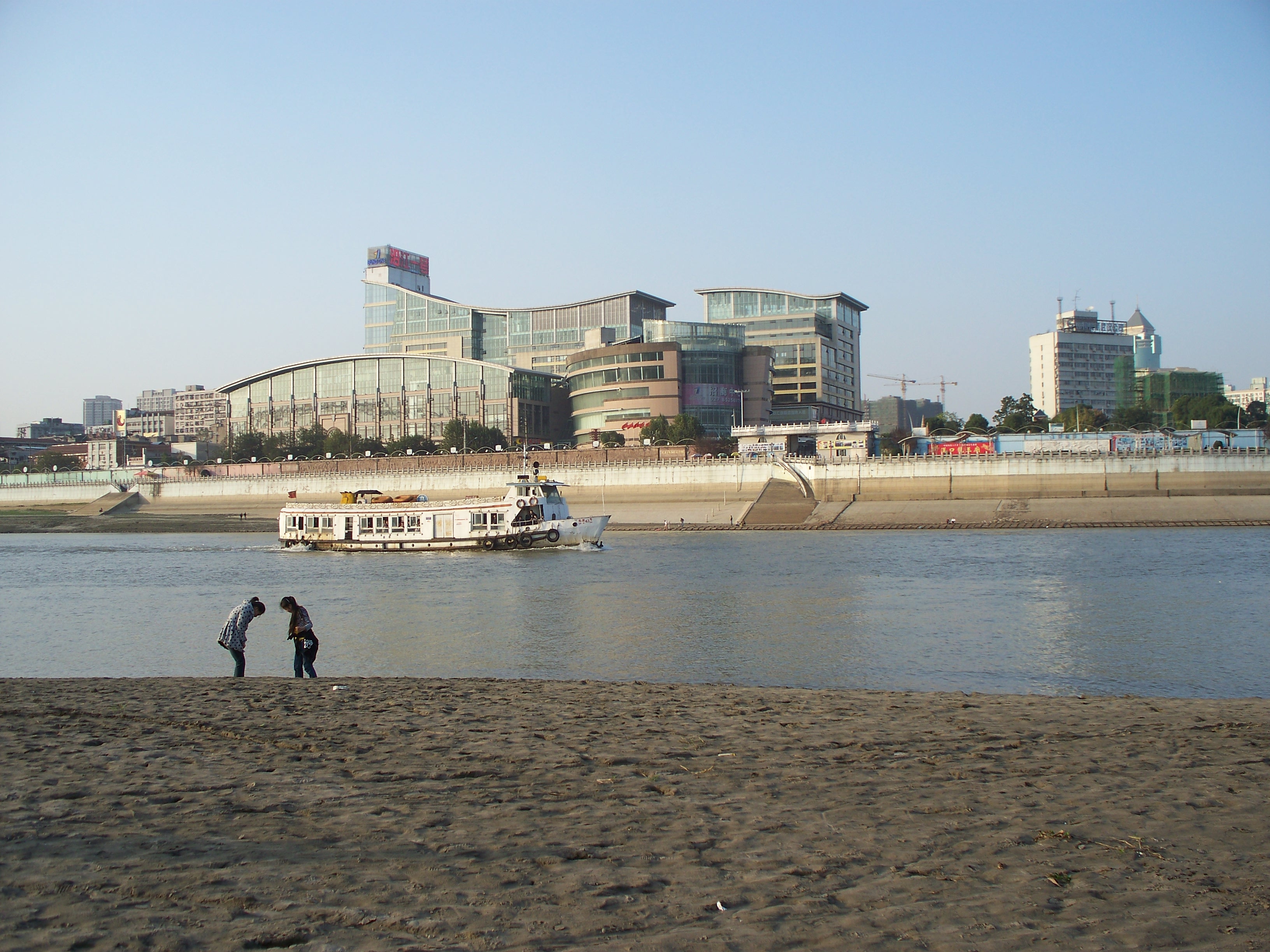 fading · Wikimedia Commons · CC BY-SA 3.0
Alcuni link di prenotazione sono link affiliati. Se prenoti tramite loro, potremmo guadagnare una piccola commissione senza costi aggiuntivi per te. Non lasciamo mai che questo influenzi i luoghi che raccomandiamo.
The Han River is a major tributary of the Yangtze, flowing 1,532 km through central China. In Wuhan, it meets the Yangtze, splitting the city into three districts: Wuchang, Hankou, and Hanyang. The area around this confluence is the Jianghan Plain.
Da non perdere
- The confluence of the Han and Yangtze rivers, which divides Wuhan into three sections.
- The Danjiangkou Dam and Reservoir, part of the South–North Water Transfer Project.
- The Qinba Laolin highland valley, protected by the Qinling and Daba mountains.
- The historic cities of Hanzhong and Ankang along the river's upper course.
Biglietti e tour
Modi per visitare Han River (Hubei and Shaanxi)
Non serve un tour per visitare, l'ingresso è gratuito. Un tour vale la pena se vuoi trasporto, una guida, o combinare Han River (Hubei and Shaanxi) con attrazioni vicine in un giorno. Questo è ciò che fanno bene.
Come arrivare
Da sapere prima di andare
- The Han River is the longest tributary of the Yangtze River system.
- The river was historically considered holy by local inhabitants and marks a dividing line between northern and southern China.
Un po' di storia
The river gave its name to the Han dynasty, one of ancient China's first golden ages, and through it to the Han Chinese people. It also lent its name to the city of Hanzhong on its upper course.
Domande frequenti
How long is the Han River?
It is 1,532 km (952 mi) long.
What is the Han River's connection to the Han Chinese?
The river gave its name to the Han dynasty, which in turn gave its name to the Han Chinese ethnic group.
Where does the Han River meet the Yangtze?
It flows into the Yangtze at Wuhan, the capital of Hubei province.
Altre attrazioni a Wuhan