Landmark
Black Stone
 Unknown authorUnknown author · Wikimedia Commons · CC BY-SA 4.0
Algunos enlaces de reserva son de afiliado. Si reservas a través de ellos, podemos ganar una pequeña comisión sin coste adicional para ti. Nunca dejamos que esto influya en los lugares que recomendamos.
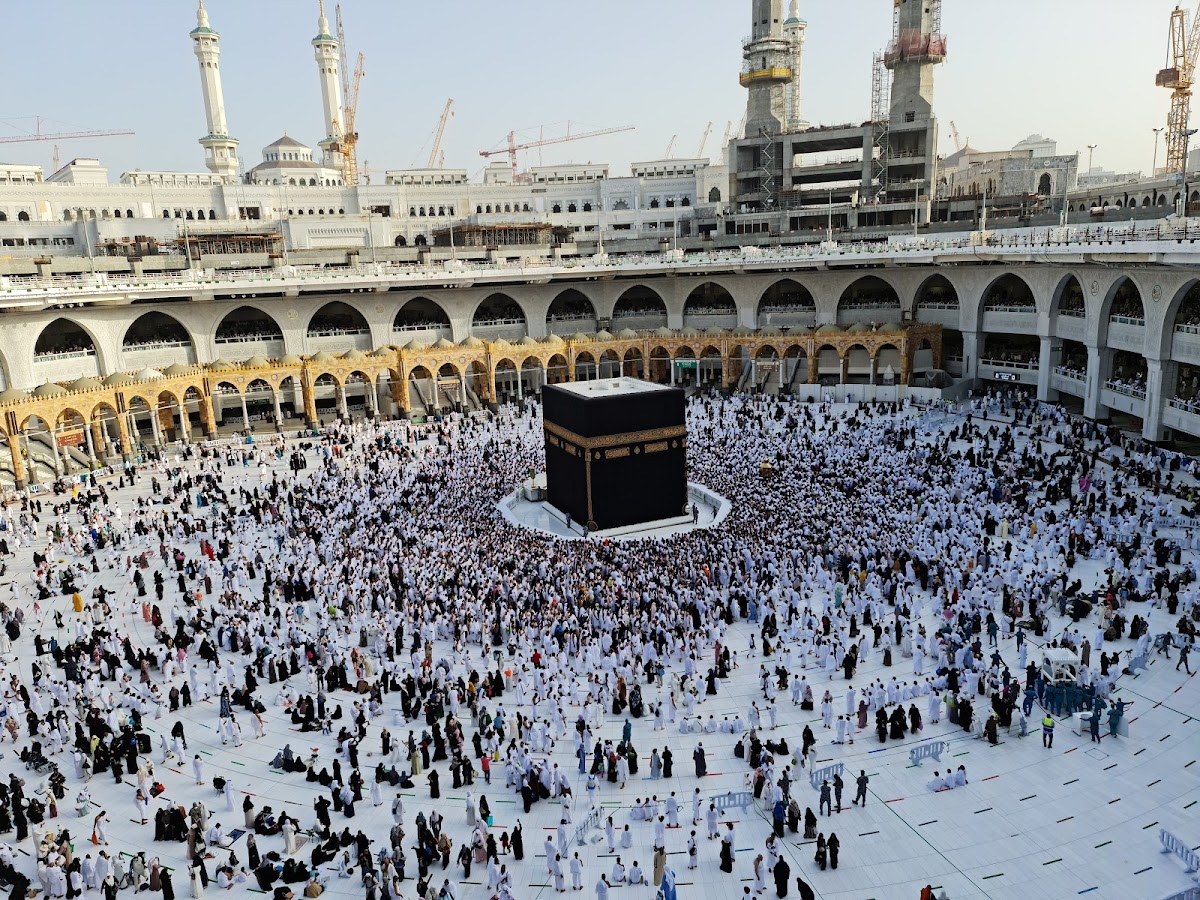
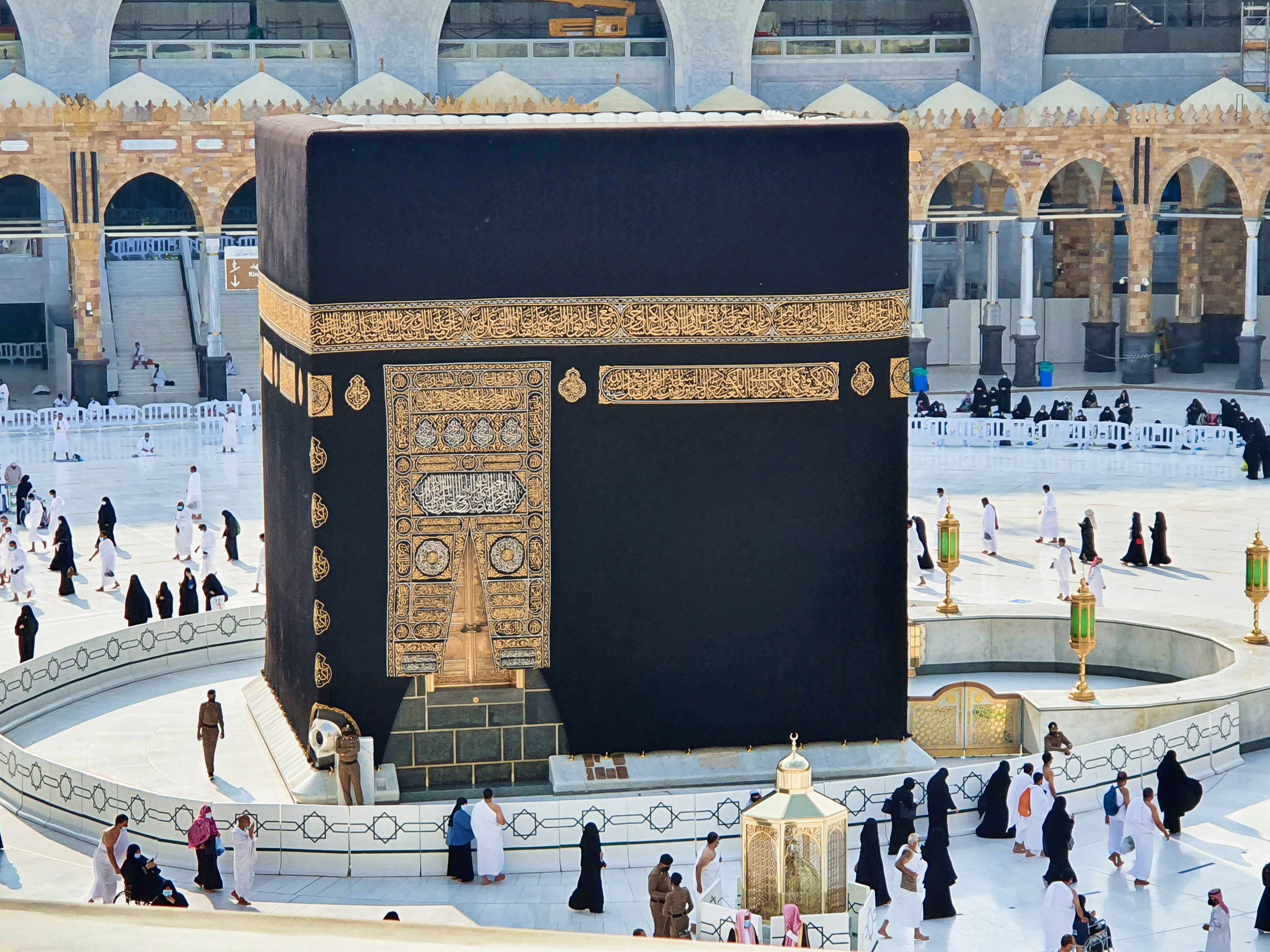
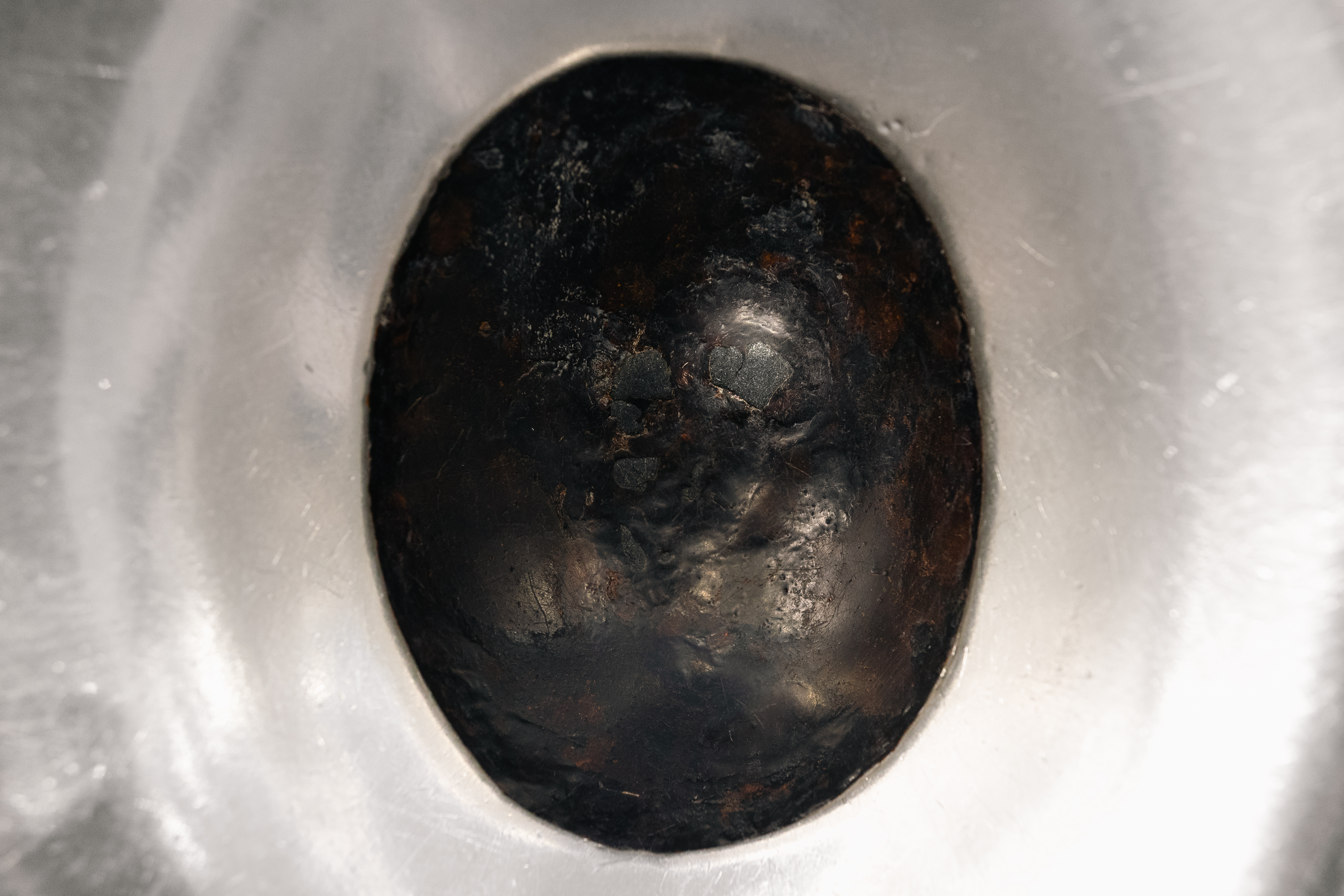
The Black Stone (Al-Hajar al-Aswad) is an ancient, dark stone embedded in the eastern corner of the Kaaba, the cube-shaped building at the center of the Grand Mosque in Mecca. For Muslims, it is a deeply revered object, believed to have originated from paradise and given to Abraham by the angel Gabriel. During the Hajj and Umrah pilgrimages, pilgrims attempt to kiss or touch the stone as part of the Tawaf ritual, circling the Kaaba seven times. The stone is now fragmented and held together by a silver frame. While the stone itself is not worshipped, it is treated with profound respect as a symbol of God's covenant with humanity. Visiting the Black Stone is a powerful spiritual experience for millions of Muslims each year, and its location in the heart of Mecca makes it one of the most significant landmarks in the Islamic world.
No te pierdas
- Witness or participate in the Tawaf, the circumambulation of the Kaaba
- View the silver-encased Black Stone from the designated kissing area
- Experience the spiritual atmosphere of the Grand Mosque (Masjid al-Haram)
- Observe the diverse pilgrims from around the world
- Learn about the stone's history from guides or informational panels
Entradas y tours
Formas de visitar Black Stone
No necesitas un tour para visitar, la entrada es gratuita. Un tour vale la pena si quieres transporte, un guía, o combinar Black Stone con otros lugares cercanos en un día. Eso es lo que hacen bien.
Ideal para
Cómo lo valoran los viajeros
Cómo llegar
Antes de ir
- Only Muslims are allowed in Mecca. Non-Muslims cannot visit the Black Stone.
- Dress modestly in accordance with Islamic guidelines; men wear ihram, women cover hair and body.
- Stay hydrated; Mecca can be extremely hot, especially during summer.
- Be prepared for large crowds; patience and respect are essential.
Un poco de historia
Islamic tradition holds that the Black Stone was placed in the Kaaba by Abraham and his son Ishmael. It was damaged and restored several times over centuries, most notably during the Umayyad and Ottoman periods. The stone's exact composition is unknown, but it is likely a meteorite or agate.
Preguntas frecuentes
Can non-Muslims see the Black Stone?
No, non-Muslims are prohibited from entering Mecca entirely.
Is it mandatory to kiss the Black Stone?
No, it is a recommended act but not obligatory. If crowded, simply pointing towards it suffices.
What is the Black Stone made of?
Its composition is debated; it may be a meteorite, agate, or glass. Scientific analysis is limited due to its religious significance.
Why is the Black Stone in pieces?
It was shattered in medieval times during a siege and later reassembled with a silver frame.
How old is the Black Stone?
Islamic tradition dates it to the time of Abraham, around 2000 BCE. Geologically, it could be thousands of years old.
Can I touch the Black Stone?
Yes, if you can reach it during Tawaf. However, due to crowds, many pilgrims simply gesture towards it.
Más atracciones en Mecca