Landmark
Black Stone
 Unknown authorUnknown author · Wikimedia Commons · CC BY-SA 4.0
Sommige boekingslinks zijn affiliatelinks. Als je via deze links boekt, kunnen we een kleine commissie ontvangen zonder extra kosten voor jou. Dit beïnvloedt nooit onze aanbevelingen.
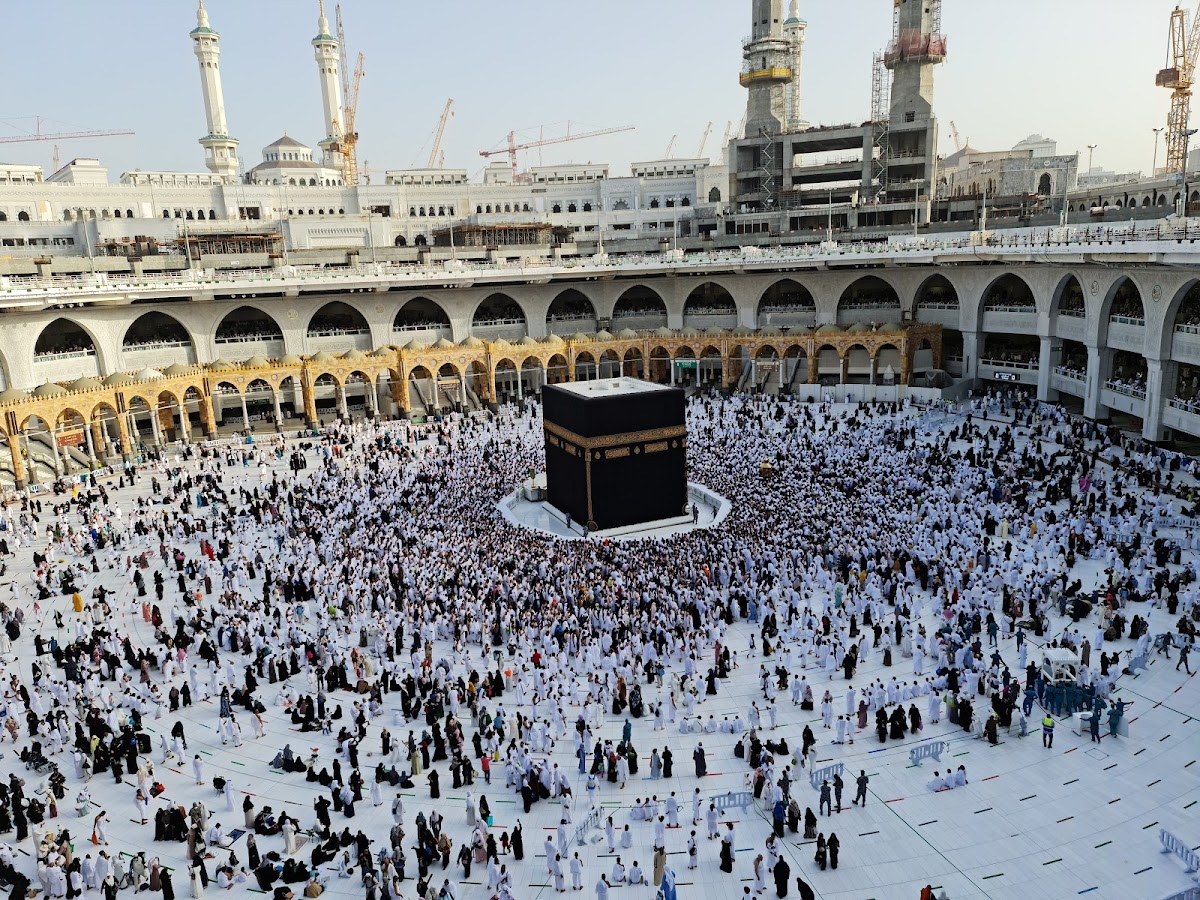
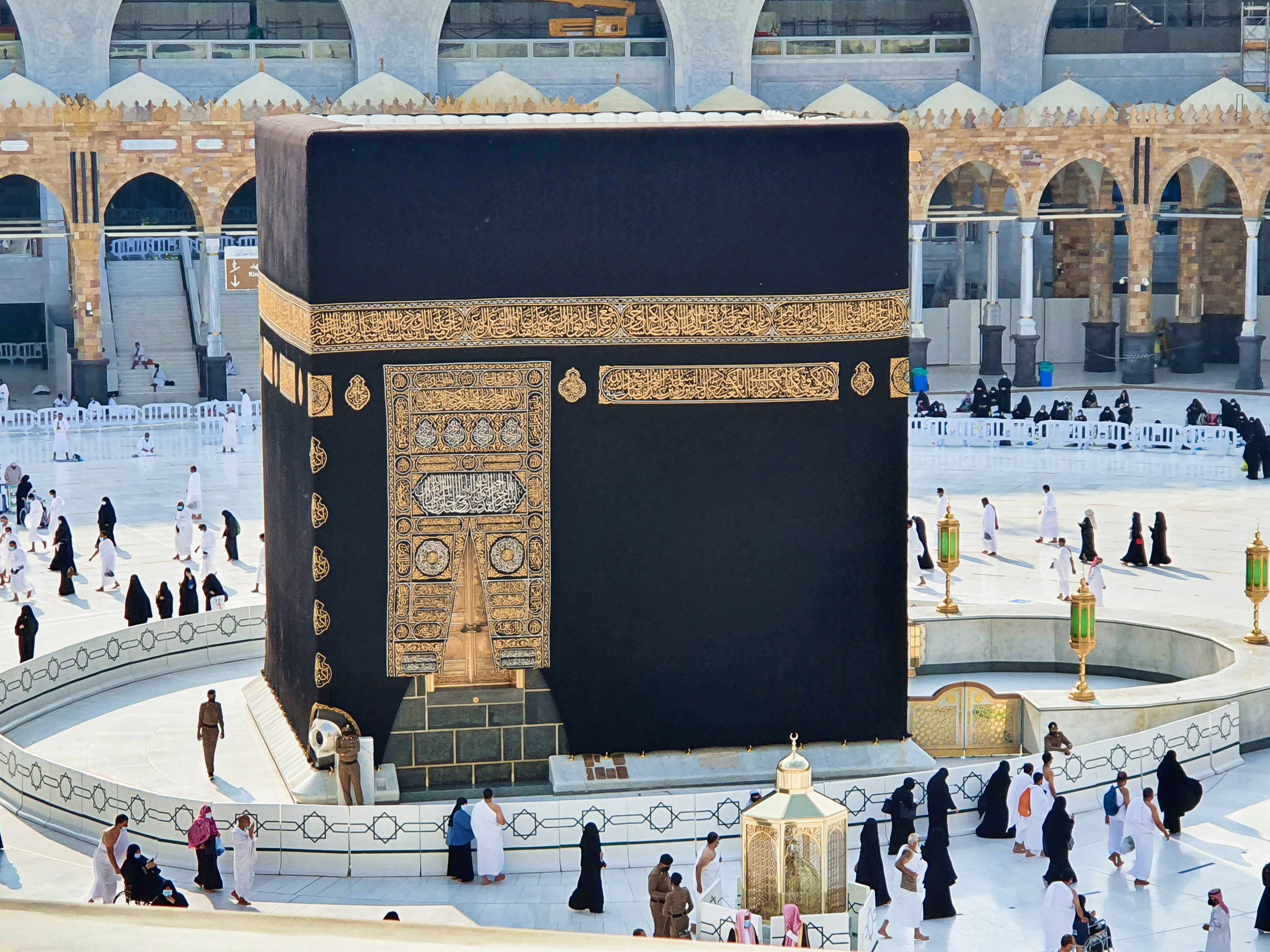
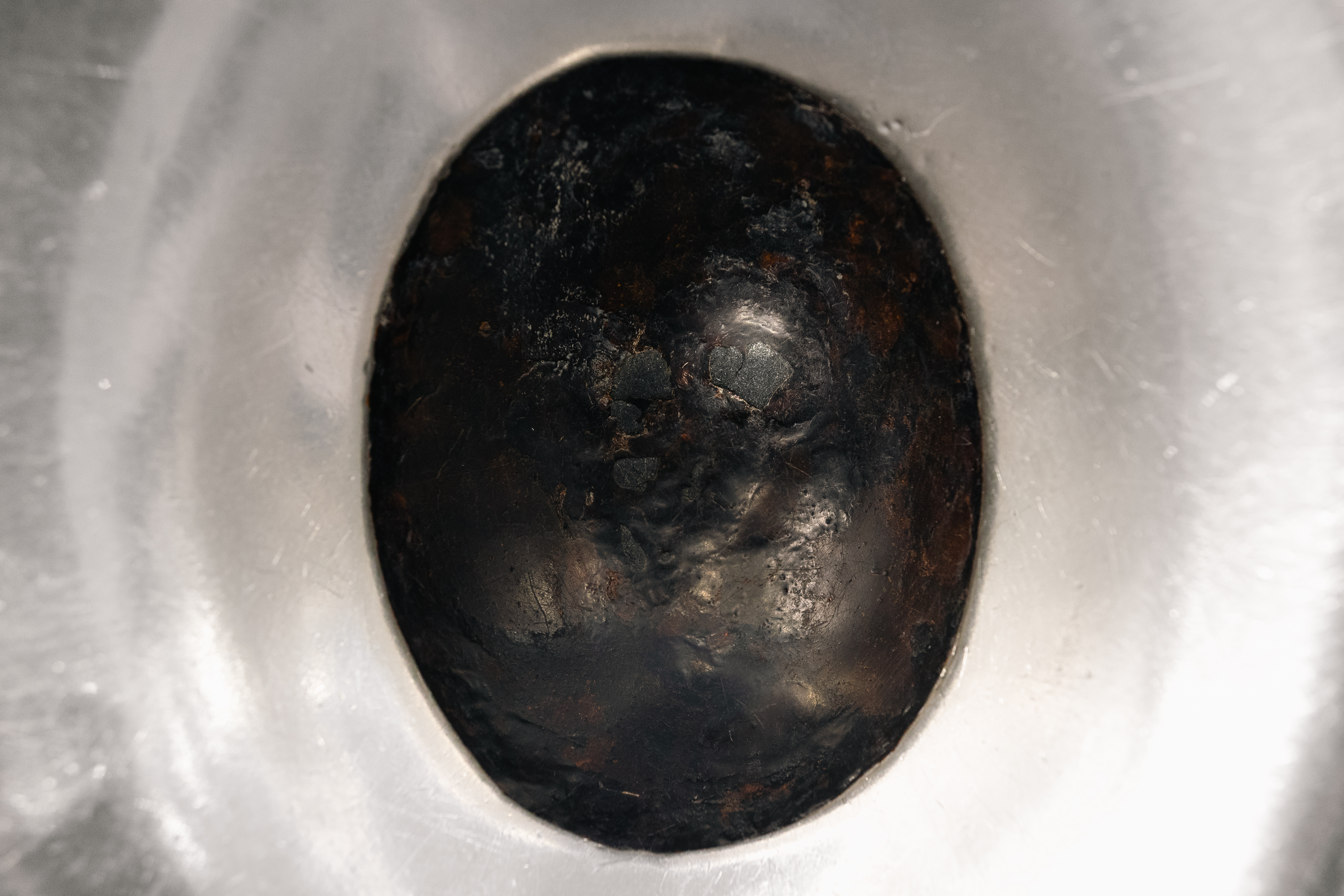
The Black Stone (Al-Hajar al-Aswad) is an ancient, dark stone embedded in the eastern corner of the Kaaba, the cube-shaped building at the center of the Grand Mosque in Mecca. For Muslims, it is a deeply revered object, believed to have originated from paradise and given to Abraham by the angel Gabriel. During the Hajj and Umrah pilgrimages, pilgrims attempt to kiss or touch the stone as part of the Tawaf ritual, circling the Kaaba seven times. The stone is now fragmented and held together by a silver frame. While the stone itself is not worshipped, it is treated with profound respect as a symbol of God's covenant with humanity. Visiting the Black Stone is a powerful spiritual experience for millions of Muslims each year, and its location in the heart of Mecca makes it one of the most significant landmarks in the Islamic world.
Niet missen
- Witness or participate in the Tawaf, the circumambulation of the Kaaba
- View the silver-encased Black Stone from the designated kissing area
- Experience the spiritual atmosphere of the Grand Mosque (Masjid al-Haram)
- Observe the diverse pilgrims from around the world
- Learn about the stone's history from guides or informational panels
Tickets & tours
Manieren om Black Stone te bezoeken
Je hebt geen tour nodig om te bezoeken, de toegang is gratis. Een tour is de moeite waard als je vervoer, een gids wilt, of Black Stone wilt combineren met nabijgelegen bezienswaardigheden in één dag. Dat is waar deze goed in zijn.
Geschikt voor
Hoe reizigers het beoordelen
Bereikbaarheid
Goed om te weten
- Only Muslims are allowed in Mecca. Non-Muslims cannot visit the Black Stone.
- Dress modestly in accordance with Islamic guidelines; men wear ihram, women cover hair and body.
- Stay hydrated; Mecca can be extremely hot, especially during summer.
- Be prepared for large crowds; patience and respect are essential.
Een stukje geschiedenis
Islamic tradition holds that the Black Stone was placed in the Kaaba by Abraham and his son Ishmael. It was damaged and restored several times over centuries, most notably during the Umayyad and Ottoman periods. The stone's exact composition is unknown, but it is likely a meteorite or agate.
Veelgestelde vragen
Can non-Muslims see the Black Stone?
No, non-Muslims are prohibited from entering Mecca entirely.
Is it mandatory to kiss the Black Stone?
No, it is a recommended act but not obligatory. If crowded, simply pointing towards it suffices.
What is the Black Stone made of?
Its composition is debated; it may be a meteorite, agate, or glass. Scientific analysis is limited due to its religious significance.
Why is the Black Stone in pieces?
It was shattered in medieval times during a siege and later reassembled with a silver frame.
How old is the Black Stone?
Islamic tradition dates it to the time of Abraham, around 2000 BCE. Geologically, it could be thousands of years old.
Can I touch the Black Stone?
Yes, if you can reach it during Tawaf. However, due to crowds, many pilgrims simply gesture towards it.
Meer attracties in Mecca