The best time to visit Phong Nha is February to August, and March and April are the sweet spot. September to November is the flood season, at its worst from mid-September through October, when expedition caves close and park tourism has in bad years been suspended entirely. That is the whole answer. The rest of this is the detail that decides which month inside the good window suits you, and what to do if your dates are already fixed inside the bad one.
Month by month
| Month | What to expect | Guided cave tours |
|---|---|---|
| January | Dry and cool, quiet in town. Son Doong season opens | Running |
| February | Season proper begins. Comfortable walking weather | Running |
| March | Sweet spot. Dry, warm, not yet hot | Running |
| April | Sweet spot. Best all-round conditions of the year | Running |
| May | Reliable and dry, heat starts to build | Running |
| June | Hot. Early starts matter | Running |
| July | Hot. Peak domestic holiday period | Running |
| August | Hot, and the last month of the Son Doong season | Running |
| September | Flooding begins. Conditions turn from mid-month | Cancellations likely |
| October | Worst of the flood season | Expedition caves close |
| November | Flood risk continues, improving late | Patchy |
| December | Drying out. Cool, quiet, transitional | Mostly running |
Can I visit Phong Nha in October?
You can go. Whether you should depends on what you booked it for.
October sits in the worst part of the flood season, which runs September to November and peaks from mid-September into October. In that stretch, expedition caves close. Not "may close on the day", but close as a matter of course, because the river systems that make these caves interesting are the same systems that fill them. In bad years, tourism across the national park has been suspended outright.
So if your October trip is built around camping inside Hang Pygmy, swimming the flooded kilometre at Hung Thoong or descending Kong Collapse, October is the wrong month and no amount of optimism changes that. Move the trip if you can.
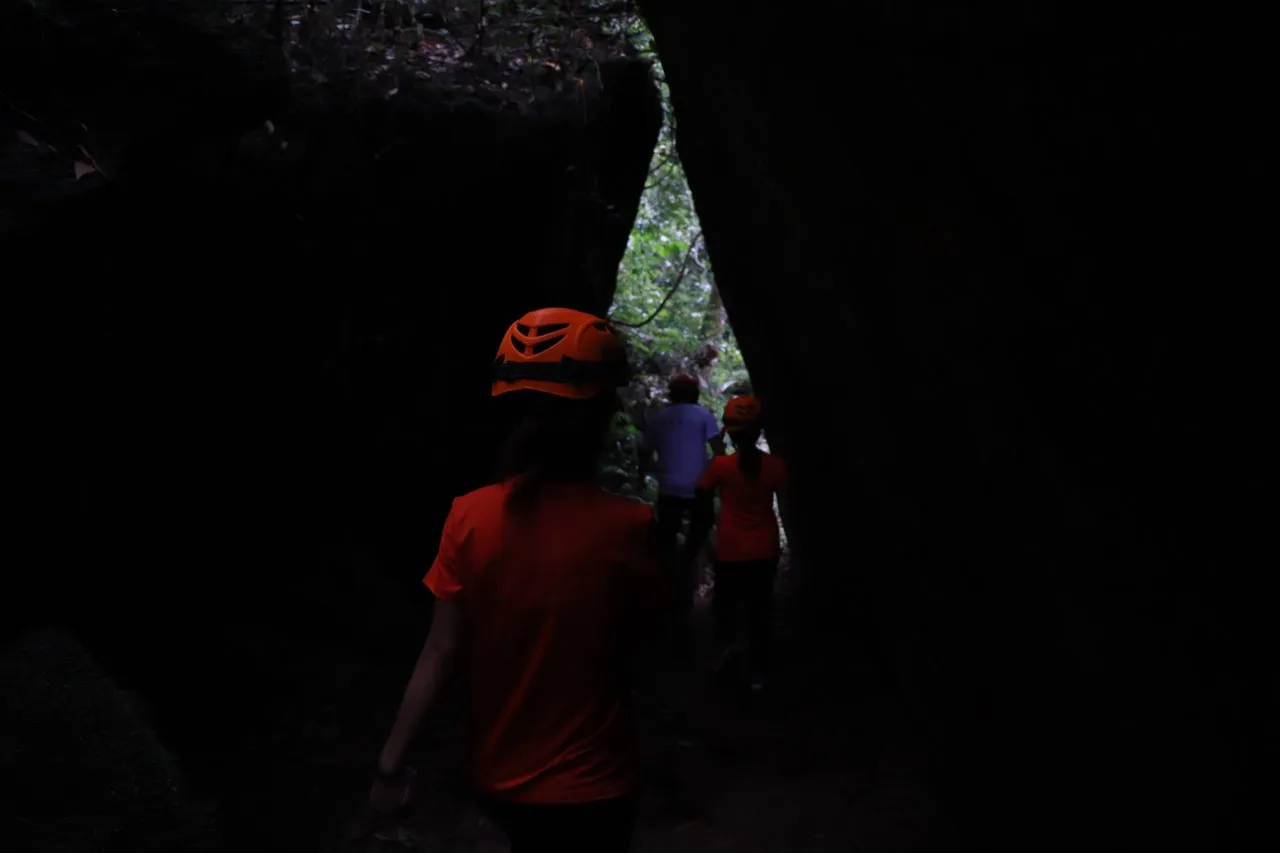
If you cannot move it, go with different expectations. The ticketed sites are far more resilient than the multi-day expeditions, because they are short, close to town and do not depend on a two-day weather window holding. Paradise Cave at 250,000 VND is a 1 km boardwalk under a roof of rock, and rain outside is largely irrelevant once you are inside. Phong Nha Cave at 150,000 VND plus a shared boat, roughly 550,000 to 750,000 per boat for up to 12 people, is river-dependent and can be suspended when the Son runs high, but it also runs on plenty of wet days. The landscape in this season is genuinely dramatic in a way the dry months are not. Book flexible accommodation, keep the itinerary loose, and treat any cave you do get into as a win.
One October-specific consolation worth knowing: the red sweet gum forest near Khe Sanh turns from October through January, which is the one thing in the region that is actively better in the months everyone avoids.
Why February to August works
Two things line up in this window. The rivers behave, so the cave systems are passable and the expedition operators run their full programmes. And the ground dries out, so the jungle approaches to those caves are walkable rather than a mudslide.
That is why the serious trips are all sold inside it. It is also why Son Doong, the largest cave on earth by volume, runs January to August only. There is no version of that expedition in the autumn.
Within the window, the trade is straightforward. February and March give you cooler air and thinner crowds. April is the best all-round month of the year and books up accordingly. May through August is dry and dependable but hot, and July in particular is busy with Vietnamese domestic holidays. If you are heat-averse, aim early. If you want the water activities at Mooc Spring or the Dark Cave mud bath to feel like relief rather than an obligation, aim later.
The 23C fact that changes what you pack
Cave interiors sit at around 23C year round, regardless of what the surface is doing. In March that feels mild. In July, walking out of high-thirties heat into a cave is a genuine temperature shock, and on the longer trips, where you are in there for hours or overnight, people underdress for it constantly.
Pack a thin layer for every cave day even in the hottest month. It weighs nothing and it is the single most common regret on a summer trip here.
Getting there, and when that gets harder
Dong Hoi is the gateway. It has both an airport and a mainline railway station, and it sits about 45 km from Phong Nha, which is 45 to 90 minutes depending on transport. The local bus is roughly 35,000 VND and takes about 90 minutes.
By train, Dong Hoi is about 3 hours from Hue, 4 to 5 hours from Da Nang and around 10 hours from Hanoi. Those are the connections most affected in flood season, since the north-south line runs through the same terrain that floods. If you are travelling in September or October, build slack into the day you arrive and the day you leave, and do not schedule a same-day international connection out of Hanoi off the back of a Dong Hoi train.
Pairing Phong Nha with Hue and Bach Ma
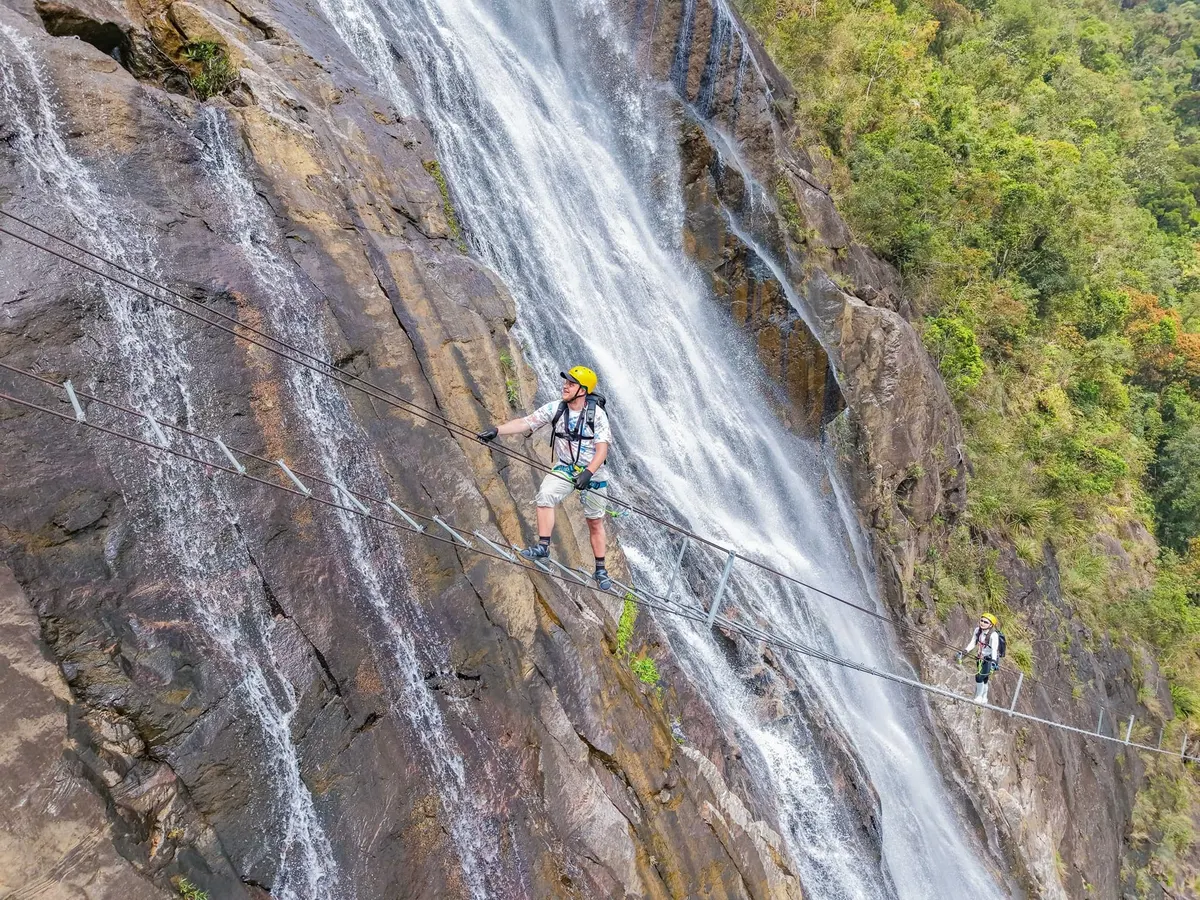
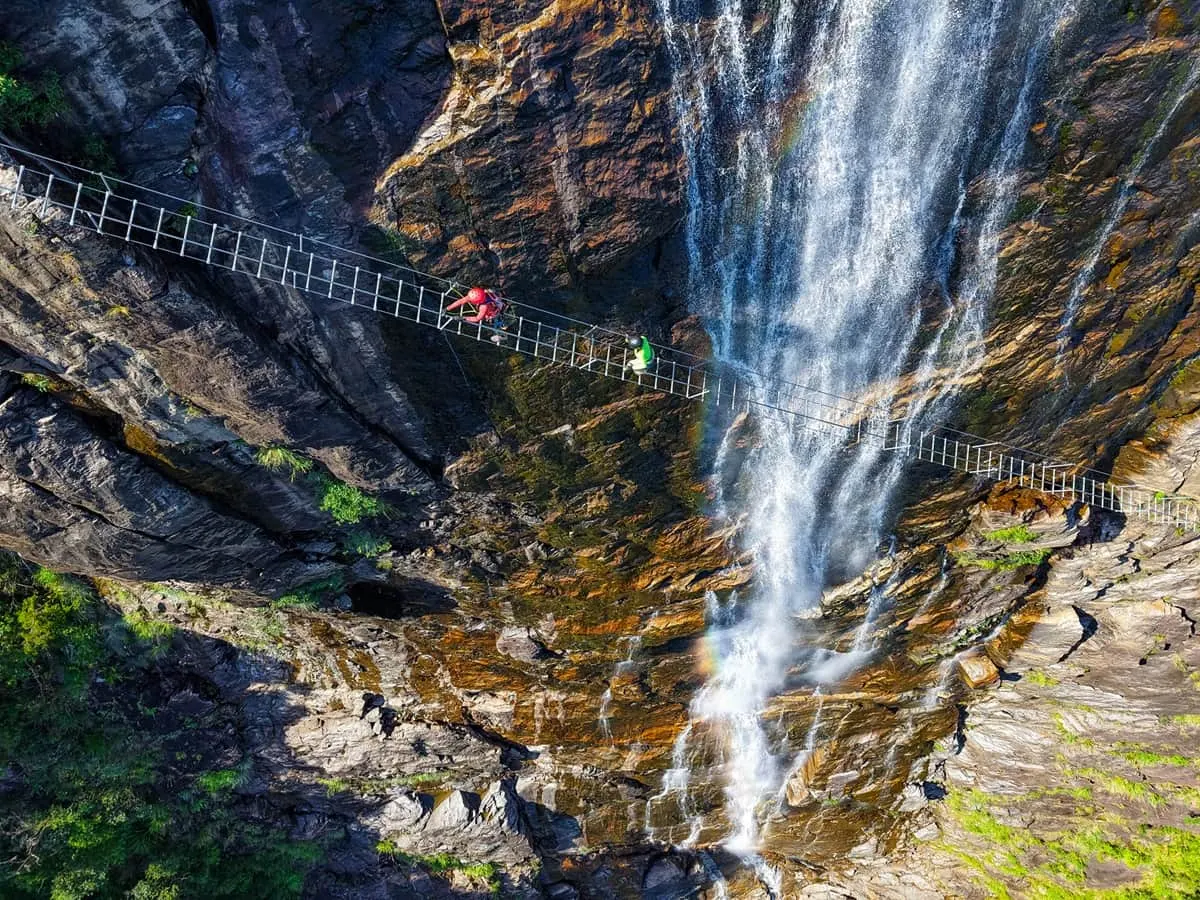
If you are combining this with the imperial city, the seasons line up neatly. Bach Ma National Park, 1,444 m and about 40 km south of Hue, is also best January to August, and from September to December it brings fog, heavy rain and flash flood risk. So the same trip planning applies across both. Bach Ma entry is 60,000 to 65,000 VND, and the guided day version, at 4,500,000 VND with a 130 m bridge, 301 via ferrata rungs and an 85 m zipline, sits in the same weather window as everything in Phong Nha.
Hue itself is the better wet-weather fallback of the two. The Imperial City is 200,000 VND, tombs are 150,000 each, and combo tickets run 420,000 for two tombs or 530,000 for three. Walled cities and tombs cope with rain better than jungle treks do, so a flood-season itinerary that leans on things to do in Hue is not a compromise so much as a sensible reordering.
What to do next
Pick your month first, then pick the cave, not the other way round. If your dates are inside February to August you can book almost anything, so compare the full range on the Phong Nha cave tours page and read up on the individual systems at every cave in the park compared. If you are set on the biggest cave on earth, note that the Son Doong season closes after August, and that permits are limited enough that dates are rarely the binding constraint anyway. Our guide to what to book when Son Doong is out of reach covers the realistic substitutes.
Travelling as a family adds a second filter on top of the calendar, since minimum ages differ by tour. The family cave guide has all of them in one table. And whatever month you land in, sort Vietnam visa rules out early.
Worth remembering why this place justifies the planning at all: Phong Nha-Ke Bang has been UNESCO listed since 2003, was extended in 2015, and in July 2025 was extended across the border with Hin Nam No in Laos to become Vietnam's first transboundary World Heritage site. Get the month right and it delivers.