Neighborhood
Historic Center of Salvador
 Paul R. Burley · Wikimedia Commons · CC BY-SA 4.0
部分预订链接为联盟链接。通过它们预订,我们可能获得小额佣金,但不会增加你的费用。我们绝不会因此影响推荐。
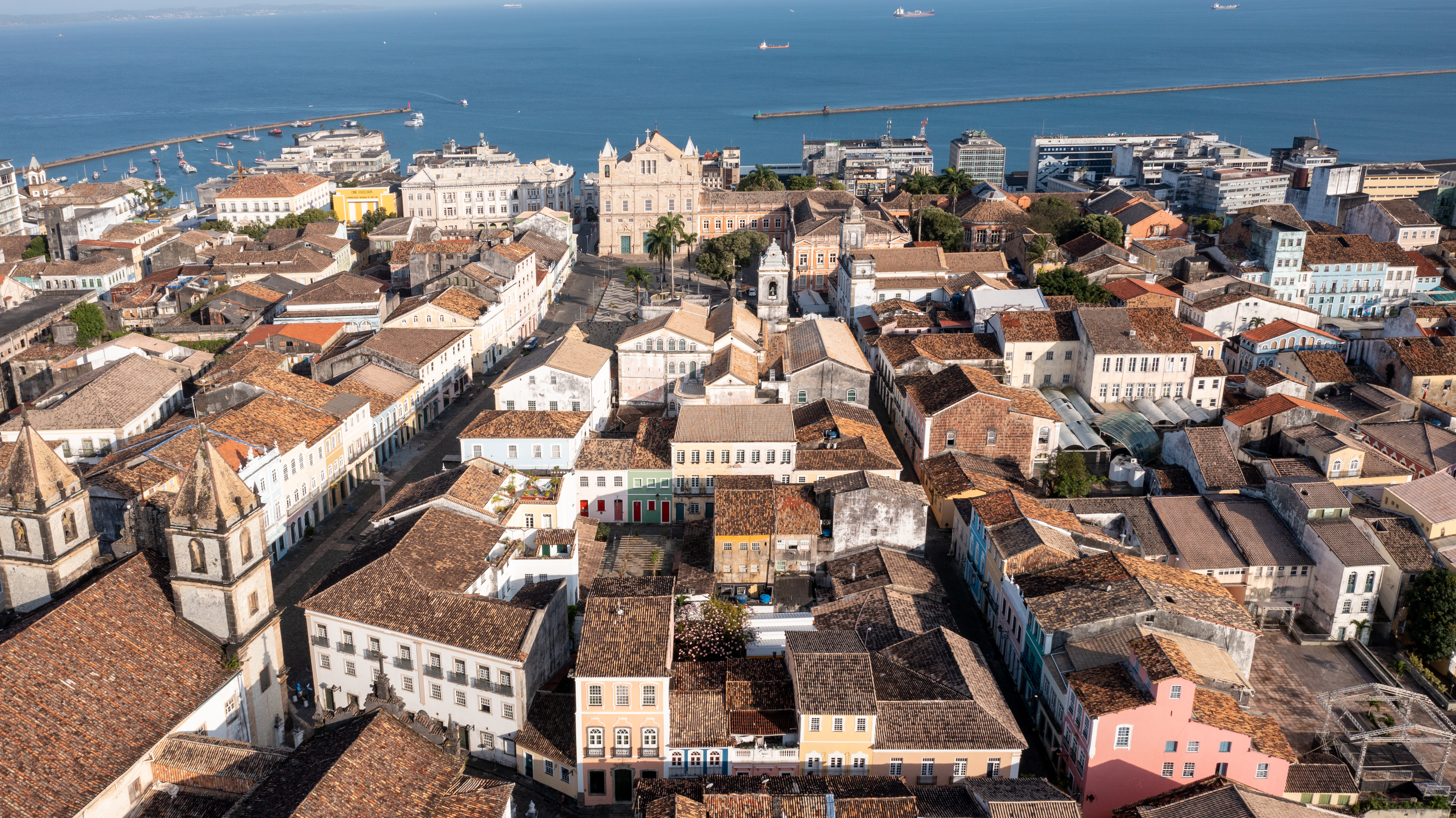
The Historic Center of Salvador, also called Pelourinho, is a neighborhood in western Salvador, Bahia. It was the city's center during the Portuguese colonial period and is named for the whipping post in its central plaza where enslaved Africans were publicly punished. The area is rich in historical monuments from the 17th through 19th centuries and is a UNESCO World Heritage Site. It remains a cultural hub for the Afro-Brazilian community, with cuisine, architecture, religion, and music reflecting Afro influences.
不容错过
- Cathedral of Salvador with Mannerist decoration
- Church and Convent of São Francisco with Baroque intricacy
- Church of the Third Order of Our Lady of the Rosary of the Black People
- Terreiro de Jesus plaza with a central water fountain and 17th- to 19th-century structures
- House of the Seven Lamps museum
- Palace of Saldanha and House of the Seven Deaths
门票与行程
游览Historic Center of Salvador的方式
通常可以自行游览。参加行程适合需要交通、导游,或想一天内结合附近景点的情况。
 最省钱Historic City Tour - Half Day in Salvador4.8★ · 239位游客4-5小时免费取消起价$20 每人查看日期 →
 最受欢迎City Tour Salvador Historica4.8★ · 133位游客约3小时免费取消起价$20 每人查看日期 →
 私享灵活Historical African oriented City Tour4.9★ · 55位游客5-6小时免费取消起价$190 每人查看日期 →
如何到达
行前须知
- The Historic Center was listed as a national heritage site in 1984 and a UNESCO World Heritage Site in 1985.
- The neighborhood is a cultural hub for the Afro-Brazilian community, with cuisine, architecture, religion, and music.
- More than 800 buildings have restored façades and interiors; many function as small museums and cultural centers.
历史背景
The Church of the Holy See was demolished in 1933 along with four other blocks of colonial and imperial buildings. The Archbishop's Palace remains. Debates over the destruction led to federal-level protection of historic assets and eventually to the National Institute of Historic and Artistic Heritage. Many buildings have been renovated since the 1930s, with revitalization of whole blocks from the 1990s. More than 800 buildings have restored façades and interiors, many adapted as small museums and cultural centers.
常见问题
Why is the area called Pelourinho?
Pelourinho means 'pillory' in Portuguese, named for the whipping post in the central plaza where enslaved Africans were publicly punished.
What architectural styles can I see?
You'll see colonial Portuguese architecture, including Mannerist decoration at the Cathedral of Salvador and Baroque intricacy at the Church and Convent of São Francisco.
Are there museums in the Historic Center?
Yes, the former Medical School Building houses the Medicine Memorial, Archeology and Ethnology, and Afro-Brazilian museums. The House of the Seven Lamps is also a museum.
Salvador更多景点