Park & nature
Summer Garden
 Wikimedia Commons · Public domain
Certains liens de réservation sont des liens affiliés. Si vous réservez via ces liens, nous pouvons percevoir une petite commission sans frais supplémentaires pour vous. Cela n'influence jamais nos recommandations.
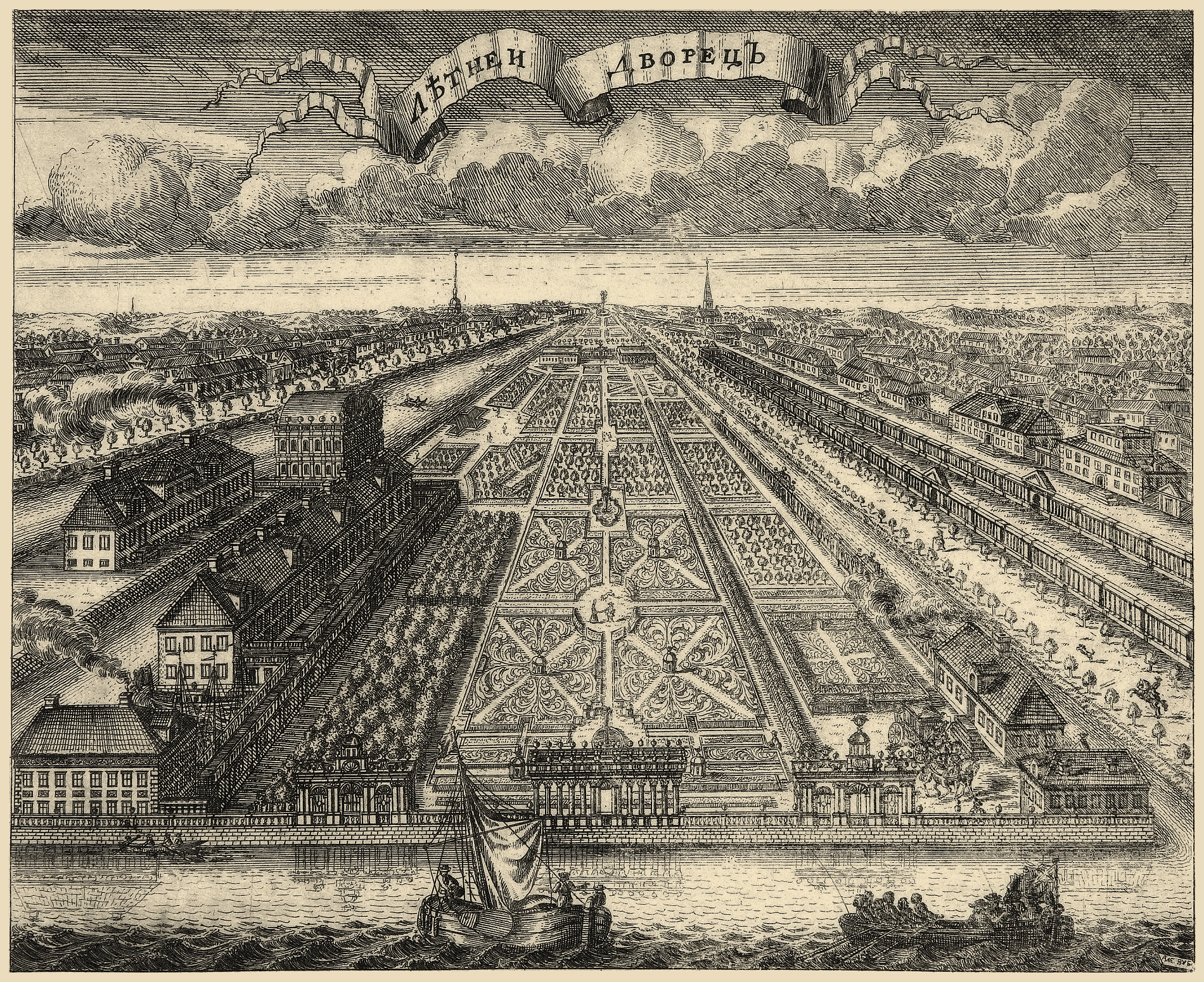
The Summer Garden is a historic public garden on an island in downtown Saint Petersburg, between the Neva, Fontanka, Moika, and the Swan Canal. It was personally designed by Tsar Peter the Great in 1704 and features original and copied marble sculptures of classical mythology characters, a former royal palace, and a monument to the fable author Ivan Krylov. The garden is now a branch of the Russian Museum.
À ne pas manquer
- A delicate iron-cast railing separating the park from the Palace Embankment, installed between 1771 and 1784, considered a pinnacle of art-casting and a symbol of St Petersburg.
- A grotto pavilion rebuilt into a coffee house in the 1820s.
- A porphyry vase on the bank of the Carp Pond, a gift from Charles XIV of Sweden to the tsar in 1839.
- Marble sculptures of classical mythology characters, originally by Venetian sculptors like Francesco Penso and Pietro Baratta, now replaced by modern replicas.
Billets et visites
Différentes façons de visiter Summer Garden
Vous pouvez explorer Summer Garden à votre rythme. Une visite vaut surtout pour le transport, ou pour combiner avec les sites voisins en une journée.
Comment s'y rendre
Bon à savoir avant de partir
- The garden is a branch of the Russian Museum, the national art treasury based in Saint Petersburg.
- Original marble sculptures are kept indoors at St Michael's Castle to protect them from weather and vandalism; copies are displayed in the garden.
- Sculptures are traditionally covered with wooden cases in winter and reopened in warm season for cleaning.
Un peu d'histoire
The garden's inception dates to the early 18th century when Russia took these lands from Sweden in the Great Northern War. Tsar Peter designed the park in 1704, with Dutch gardener Nicolaas Bidloo's assistance. From 1712, Dutch gardener Jan Roosen elaborated the planting, and French architect Jean-Baptiste Le Blond added a Garden à la française flavor in 1716. The garden was largely completed in 1719. In the late 20th century, 90 surviving statues were moved indoors, with modern replicas taking their place.
Questions fréquentes
Who designed the Summer Garden?
Tsar Peter the Great personally designed the park in 1704, with help from Dutch gardener Nicolaas Bidloo. Later, Dutch gardener Jan Roosen and French architect Jean-Baptiste Le Blond contributed to its design.
What happened to the original marble sculptures?
In the late 20th century, 90 surviving statues were moved indoors to protect them from weather and vandalism. Modern replicas now stand in the garden.
Is there a monument to a writer in the garden?
It was the first monument to a poet erected in Eastern Europe.
Plus d'attractions à Saint Petersburg