Religious site
Takakuramusubimiko Shrine
Certains liens de réservation sont des liens affiliés. Si vous réservez via ces liens, nous pouvons percevoir une petite commission sans frais supplémentaires pour vous. Cela n'influence jamais nos recommandations.
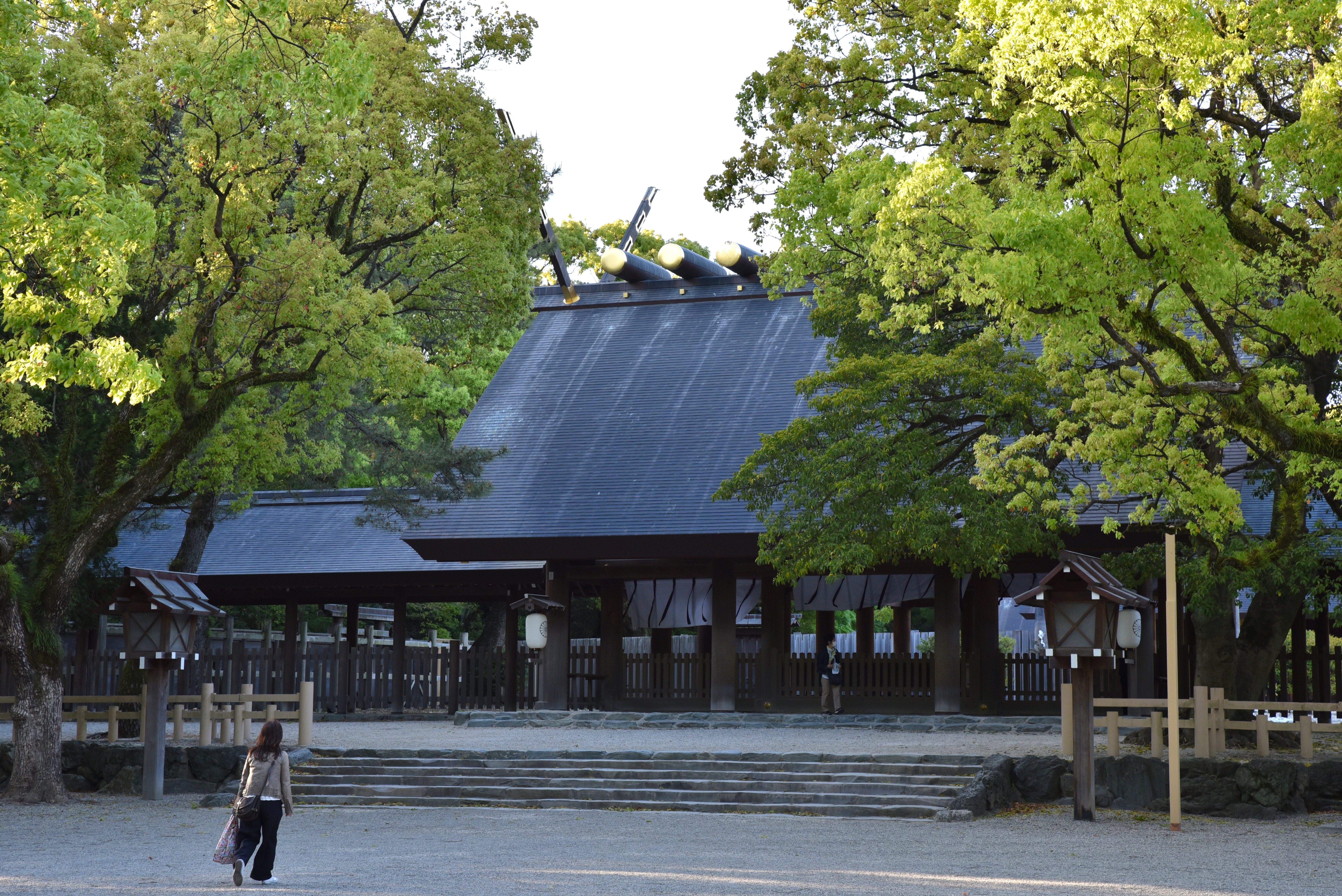
Takakuramusubimiko Shrine is a quiet Shinto shrine located in the Atsuta district of Nagoya, Japan. Dedicated to the deity Takakuramusubi no Mikoto, a kami associated with creation and agriculture, the shrine offers a peaceful retreat from the city. The grounds feature a classic wooden torii gate, a main hall with elegant curved eaves, and a small garden with stone lanterns. Visitors can perform traditional Shinto rituals like cleansing at the temizuya and offering prayers. The shrine is less crowded than major tourist sites, allowing for a contemplative experience. Its distinctive charm lies in its intimate scale and the sense of local devotion. The surrounding neighborhood is residential, adding to the quiet ambiance.
À ne pas manquer
- Pass through the vermilion torii gate and cleanse at the water pavilion
- Observe the main hall's traditional hinoki cypress architecture
- Ring the suzu bell and make an offering
- Walk the peaceful grounds and see the stone lanterns
- Purchase omamori (charms) from the small office
Billets et visites
Différentes façons de visiter Takakuramusubimiko Shrine
Pas besoin de visite guidée, l'entrée est gratuite. Une visite vaut le coup si vous voulez un transport, un guide, ou combiner Takakuramusubimiko Shrine avec d'autres sites en une journée. C'est ce qu'elles font bien.
Idéal pour
Comment les voyageurs le notent
Comment s'y rendre
Bon à savoir avant de partir
- Bow once before entering the torii gate and again at the main hall.
- Photography is allowed but be respectful during prayers.
- Use the temizuya to purify hands and mouth before approaching the hall.
- Omamori and ema (votive tablets) are available for purchase.
Un peu d'histoire
The shrine's origins are unclear, but it is believed to have been established in the early Edo period. It has served as a local guardian shrine for the Atsuta community for centuries, surviving wars and natural disasters.
Questions fréquentes
Is there an admission fee?
No, the shrine grounds are free to enter.
Can I pray here if I'm not Shinto?
Yes, visitors of all faiths are welcome to observe or participate respectfully.
Are there restrooms?
Yes, there are public restrooms on the grounds.
Is the shrine open at night?
The grounds are open during daylight hours; check local signs.
What is the nearest major landmark?
Atsuta Jingu, one of Japan's most important Shinto shrines, is about 15 minutes away on foot.
Plus d'attractions à Nagoya