Neighborhood · Saint-Gervais
Le Marais
 Wikimedia Commons · CC BY-SA 3.0
Some booking links are affiliate links. If you book through them, we may earn a small commission at no extra cost to you. We never let this influence which places we recommend.
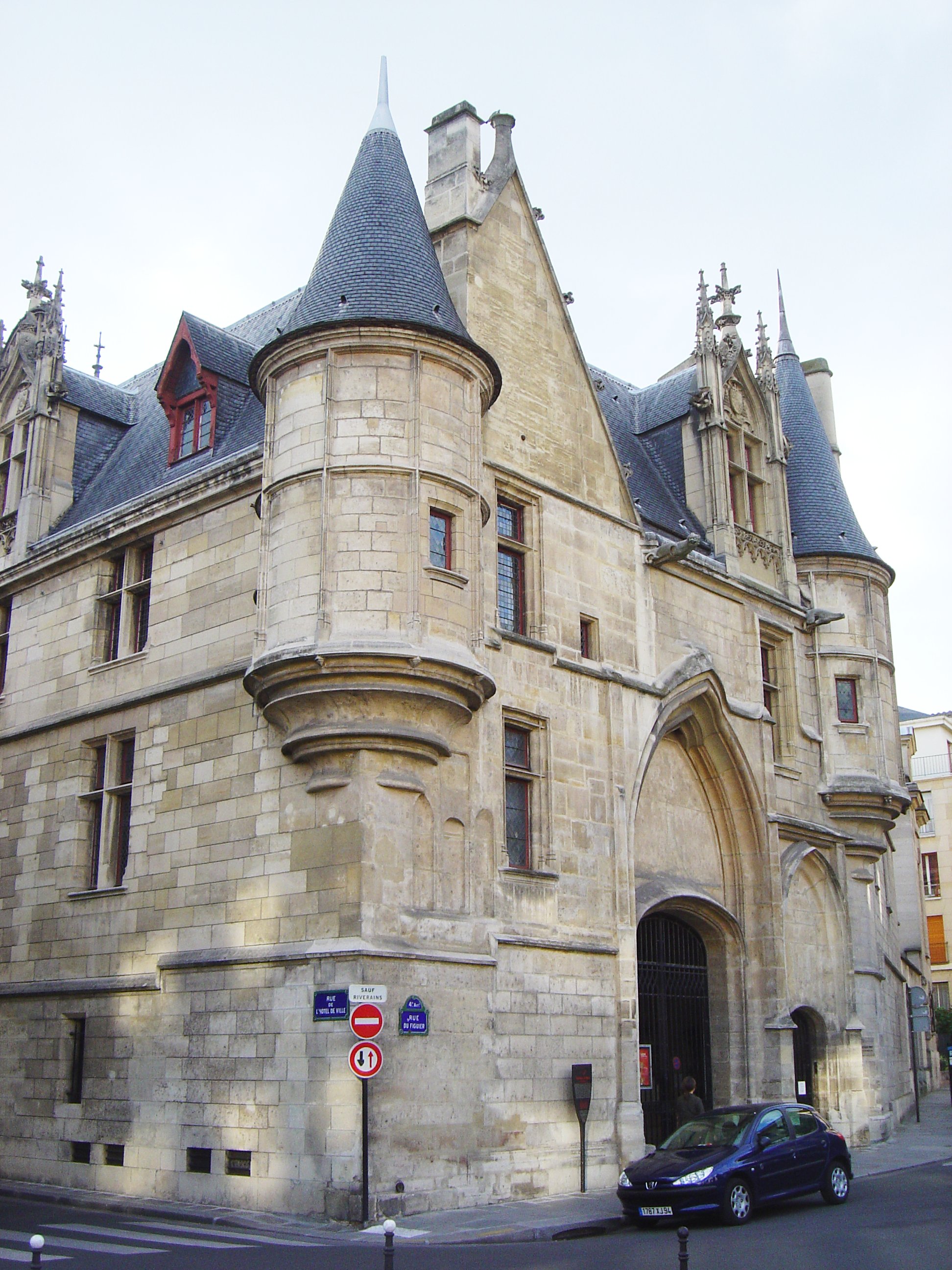
Le Marais is one of Paris's most captivating neighbourhoods, a maze of medieval lanes that escaped Haussmann's 19th-century demolitions, leaving narrow streets, hidden courtyards, and aristocratic mansions (hôtels particuliers) now housing museums and boutiques. It's the historic Jewish quarter, the heart of LGBTQ+ Paris, and a hub of independent fashion, galleries, and falafel counters all at once, a place that rewards aimless wandering more than ticking off sights.
Its jewel is the Place des Vosges, the city's oldest planned square, a serene arcaded quadrangle of rose-brick facades. Nearby sit the Picasso Museum and the Carnavalet (the free museum of Paris history). Come hungry, the rue des Rosiers is famed for falafel, and on a Sunday, when much of the Marais stays open while the rest of Paris rests.
Don't miss
- Place des Vosges, Paris's oldest planned square
- Hôtels particuliers housing the Picasso and Carnavalet museums
- The historic Jewish quarter and rue des Rosiers falafel
- Independent boutiques, galleries, and café terraces
- Sunday opening, when much of Paris is closed
Tickets & tours
Ways to visit Le Marais
You don't need a tour to visit, entry is free. A tour is worth it if you want transport, a guide, or to combine Le Marais with nearby sights in one day. That's what these do well.
 Cheapest way inParis Le Marais Self Guided Walking Tour & Scavenger Hunt5★ · 22 travelers~2 hoursFree cancellationFrom$3 per personSee dates →
 Most bookedBateaux Parisiens Seine River Gourmet Dinner & Sightseeing Cruise4.4★ · 7,297 travelers~3 hoursFree cancellationFrom$145 per personSee dates →
 Private & flexibleParis Le Marais Guided Walking Tour With A Guide4.9★ · 10 travelers~2 hoursFree cancellationFrom$28 per personSee dates →
Good for
How travelers rate it
Getting there
Know before you go
- It's one of the few Paris quarters lively on Sundays, a great day to visit.
- Don't just follow a map, the joy is wandering the lanes and ducking into courtyards.
- Rue des Rosiers is the spot for famous falafel; expect a queue at peak times.
- The Carnavalet (Paris history museum) is free and excellent if you want an indoor break.
A bit of history
The Marais ('marshland') was drained in the Middle Ages and became the fashionable aristocratic district of the 17th century, centred on the Place des Vosges. It later declined and became a working-class and Jewish immigrant quarter; spared modernisation, it was protected as a historic district and gentrified from the late 20th century into one of the city's most vibrant areas.
Common questions
What is Le Marais known for?
Medieval streets that survived Haussmann, the Place des Vosges, the historic Jewish quarter, LGBTQ+ nightlife, independent fashion, galleries, and great food, a neighbourhood to wander rather than a single sight.
Is it open on Sundays?
Yes, unusually for Paris, much of the Marais (shops and the Jewish quarter especially) is lively on Sundays, making it a great choice for that day.
What should I eat there?
Falafel on rue des Rosiers is the classic; the area is also full of cafés, bakeries, and independent restaurants.
Which museums are here?
The Picasso Museum and the Musée Carnavalet (the free museum of the history of Paris), both set in restored mansions.
More attractions in Paris