Neighborhood
Xita
 Yoshi Canopus · Wikimedia Commons · CC BY-SA 3.0
部分预订链接为联盟链接。通过它们预订,我们可能获得小额佣金,但不会增加你的费用。我们绝不会因此影响推荐。
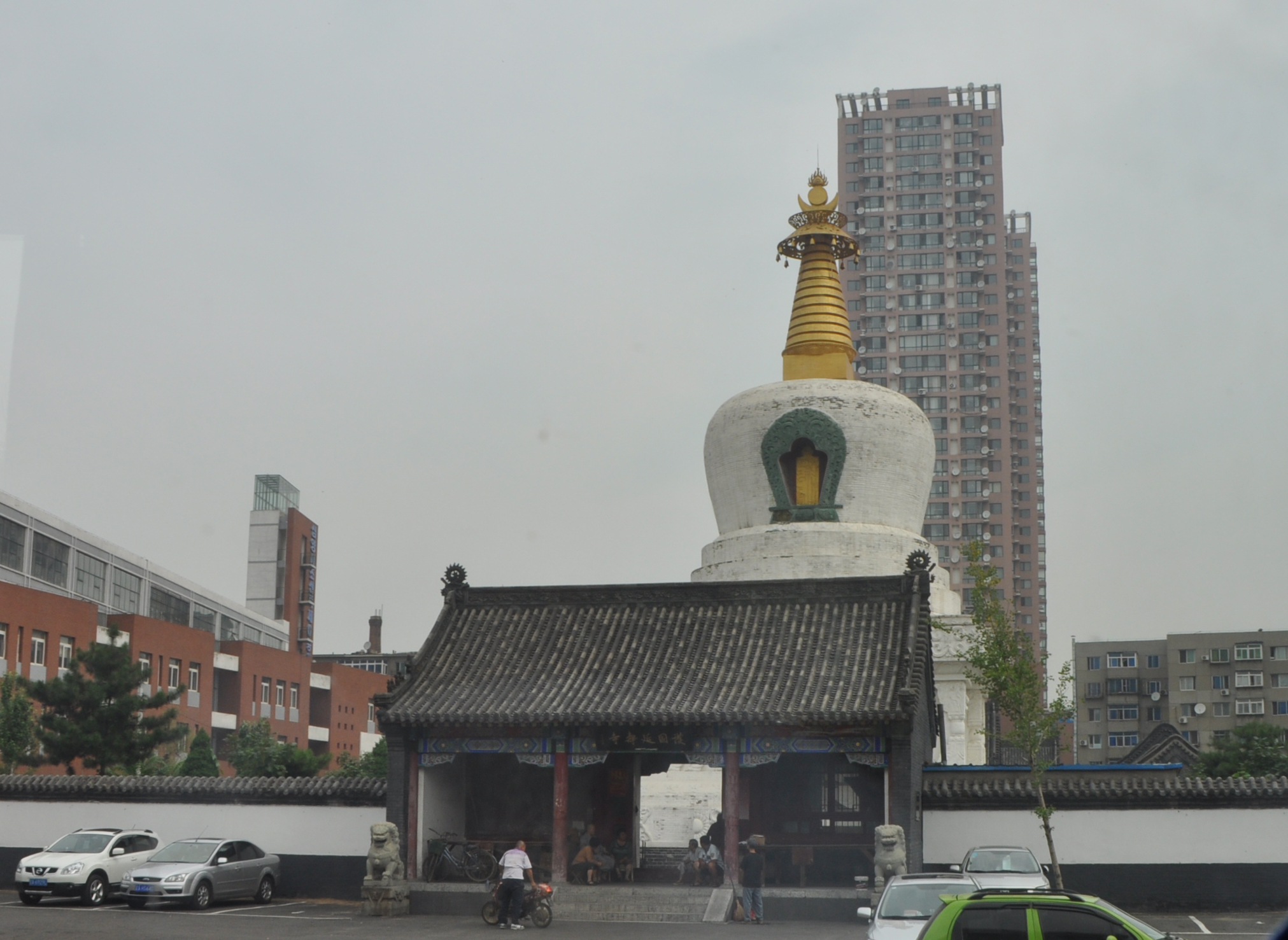
Xita is a neighborhood in Shenyang, China, best known as the largest Koreatown in Northeast China. It is named after a pagoda that once stood there, part of a Tibetan Buddhist temple built in the 1640s. Today, you'll find Korean shops, restaurants, and a century-old commercial street, along with a Russian Orthodox church and a Protestant church from the early 1900s.
不容错过
- The rebuilt Western Pagoda, originally part of the Yanshou Temple from the 1640s
- The Korean shopping mall on a century-old commercial street, once a gateway for international fashion in Shenyang
- A Russian Orthodox church built in the early 20th century
- Xita Church, a Protestant church also from the early 1900s
如何到达
行前须知
- Xita is a neighborhood, not a single attraction,explore the streets for Korean food and shops.
- It's the largest Koreatown in Northeast China, with a strong Korean cultural presence.
历史背景
The area's name comes from a pagoda that accompanied the Yanshou Temple, built between 1640 and 1645 as one of the 'Four Pagodas of Early Qing.' The pagoda fell into disrepair and was demolished in 1968 during the Cultural Revolution, but it was rebuilt in 1998.
常见问题
What does 'Xita' mean?
It means 'Western Pagoda,' named after a pagoda that was part of the Yanshou Temple.
When was the pagoda rebuilt?
The original pagoda was demolished in 1968 and rebuilt in 1998.
What religious sites are in Xita?
There is a Russian Orthodox church and a Protestant church (Xita Church), both built in the early 20th century.
Shenyang更多景点