Neighborhood
Chinatown
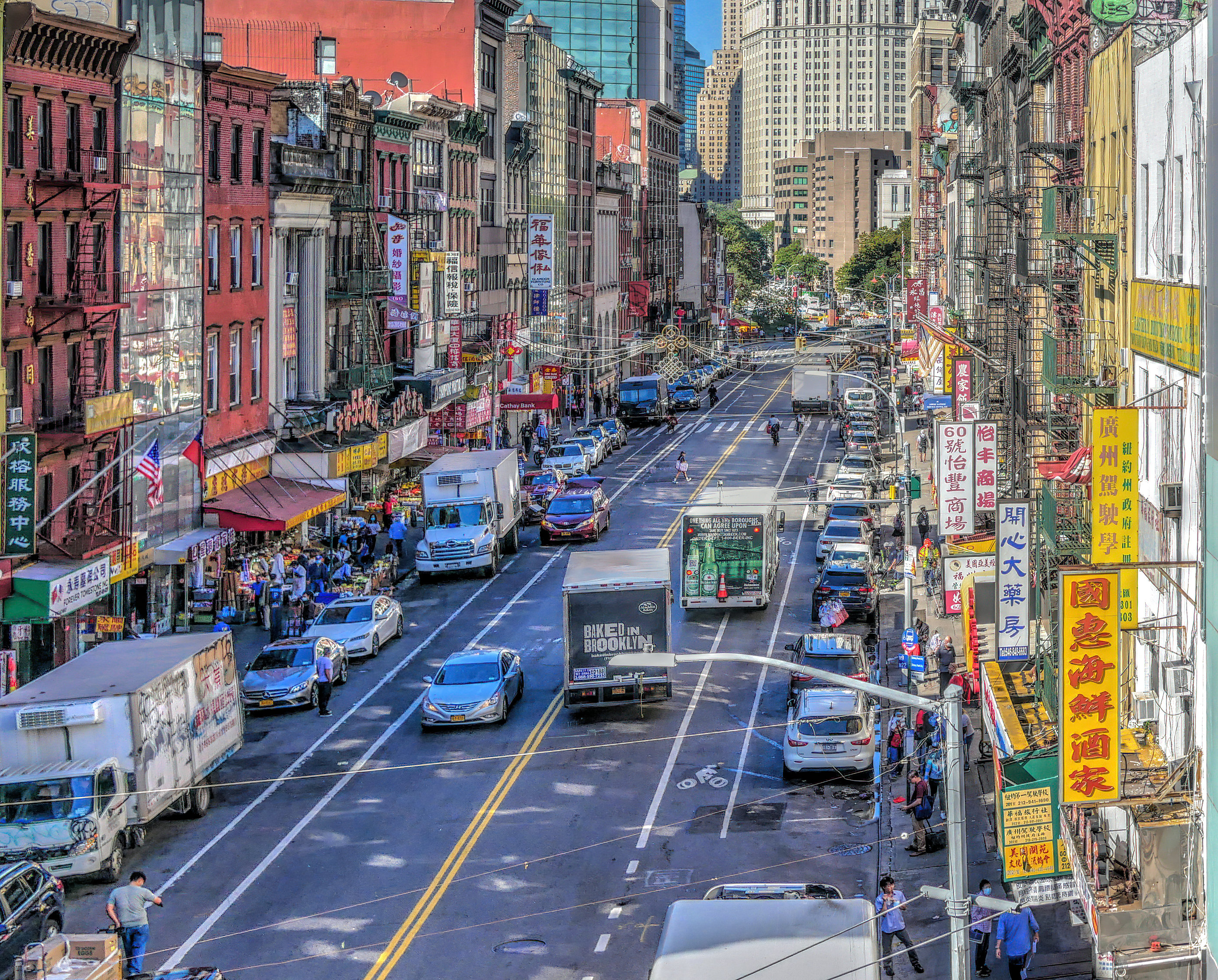 joiseyshowaa · Wikimedia Commons · CC BY-SA 2.0
Một số liên kết đặt chỗ là liên kết tiếp thị. Nếu bạn đặt qua chúng, chúng tôi có thể nhận được một khoản hoa hồng nhỏ mà bạn không phải trả thêm. Chúng tôi không bao giờ để điều này ảnh hưởng đến các địa điểm chúng tôi giới thiệu.
Binondo, as Manila's Chinatown is officially known, is a bustling neighborhood that claims to be the oldest Chinatown in the world, established in 1594. Walking through its narrow streets, you'll encounter a sensory overload of sights, sounds, and smells. Traditional Chinese pharmacies sit alongside modern malls, while centuries-old temples like Seng Guan Temple offer a peaceful retreat. The area is famous for its food scene, from dumpling houses to bakeries selling hopia (bean-filled pastries). Street vendors hawk everything from fish balls to taho (silken tofu with syrup). Despite its age, Chinatown feels alive and evolving, with new cafes and shops blending into the historic fabric. It's a must-visit for anyone wanting to experience the deep Chinese roots in Philippine culture.
Đừng bỏ lỡ
- Visit Seng Guan Temple, a Buddhist temple with intricate carvings and a peaceful atmosphere.
- Sample authentic dim sum at Dong Bei Dumplings or other hole-in-the-wall eateries.
- Explore the Binondo Church (Minor Basilica of St. Lorenzo Ruiz), a historic Catholic church.
- Shop for traditional Chinese herbs and remedies at Ongpin Street.
- Try the famous hopia pastries from Eng Bee Tin or other local bakeries.
Vé & tour
Các cách tham quan Chinatown
Bạn không cần tour để tham quan, vé vào cửa miễn phí. Tour đáng giá nếu bạn cần phương tiện di chuyển, hướng dẫn viên, hoặc muốn kết hợp Chinatown với các điểm gần đó trong một ngày. Đó là những gì các tour này làm tốt.
Phù hợp cho
Du khách đánh giá thế nào
Cách di chuyển
Điều cần biết trước khi đi
- Bring cash, as many small vendors and eateries don't accept cards.
- Come hungry – the food is the main attraction. Try at least one dumpling place and one bakery.
- Wear comfortable walking shoes; you'll be on your feet navigating crowded sidewalks.
- Ask permission before taking photos of people, especially in temples.
Một chút lịch sử
Established in 1594 by Spanish colonial authorities as a settlement for Catholic Chinese converts, Binondo grew into a thriving commercial hub. It survived wars and natural disasters, remaining a center of Chinese-Filipino identity and trade for over 400 years.
Câu hỏi thường gặp
Is Chinatown safe for tourists?
Yes, it's generally safe during the day. Like any busy urban area, keep an eye on your belongings and avoid poorly lit streets at night.
What is the best way to get around Chinatown?
Walking is best for exploring the narrow streets. For longer distances, use tricycles or jeepneys.
Are there vegetarian food options?
Yes, many Chinese Buddhist restaurants offer vegetarian dishes. Look for 'vegetarian' signs or ask for 'chay' (vegetarian) options.
Can I visit temples as a non-Buddhist?
Absolutely. Temples are open to all, but dress modestly and be respectful of worshippers.
What souvenirs should I buy?
Traditional Chinese medicines, tea, hopia pastries, and lucky charms are popular. Ongpin Street is the main shopping strip.
Is Chinatown open on holidays?
Most shops and eateries are open, but some may close during Chinese New Year or other major holidays. Check ahead.
Thêm điểm tham quan ở Manila