Landmark
The Bund
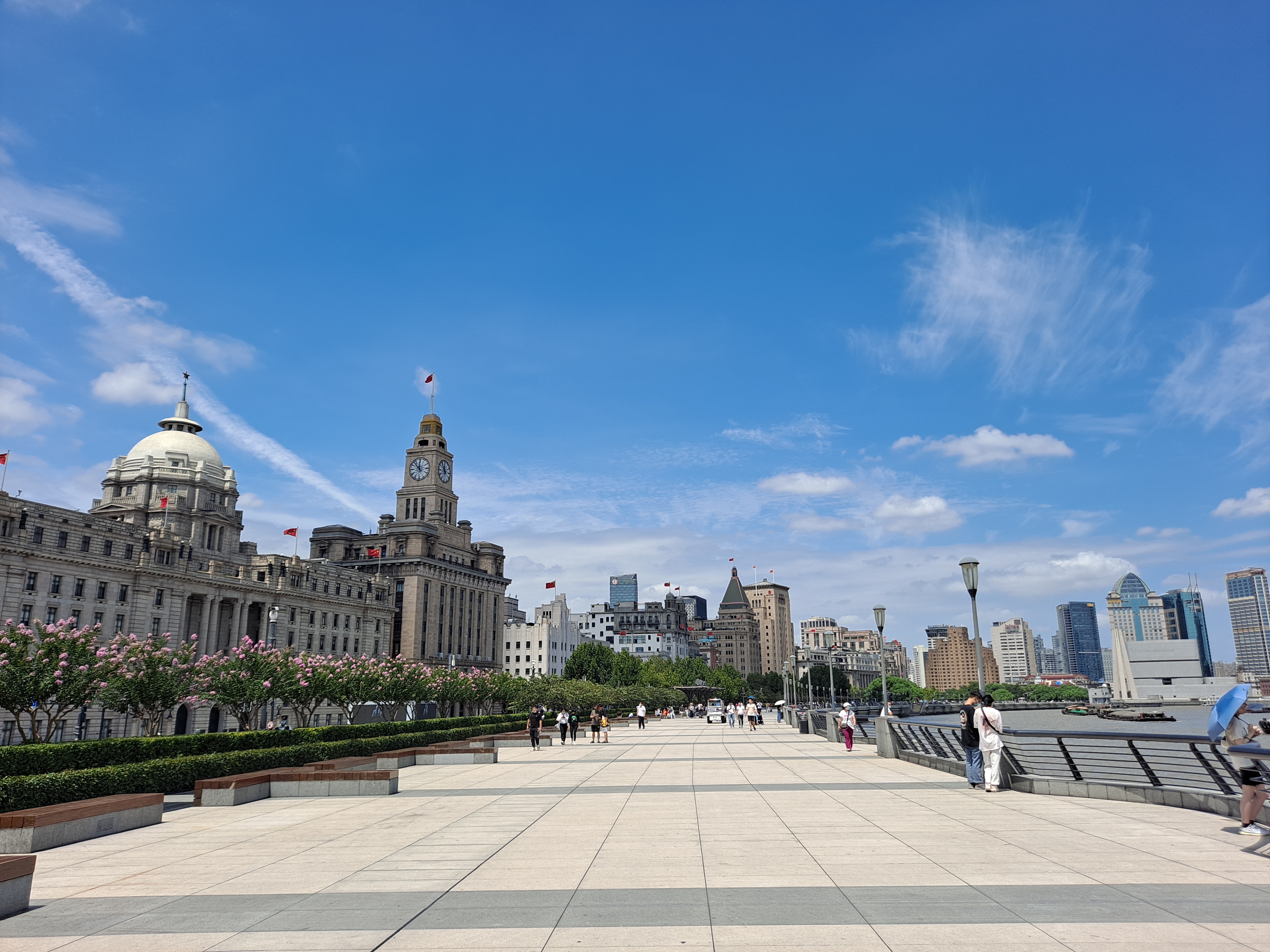 钉钉 · Wikimedia Commons · CC BY-SA 4.0
Một số liên kết đặt chỗ là liên kết tiếp thị. Nếu bạn đặt qua chúng, chúng tôi có thể nhận được một khoản hoa hồng nhỏ mà bạn không phải trả thêm. Chúng tôi không bao giờ để điều này ảnh hưởng đến các địa điểm chúng tôi giới thiệu.
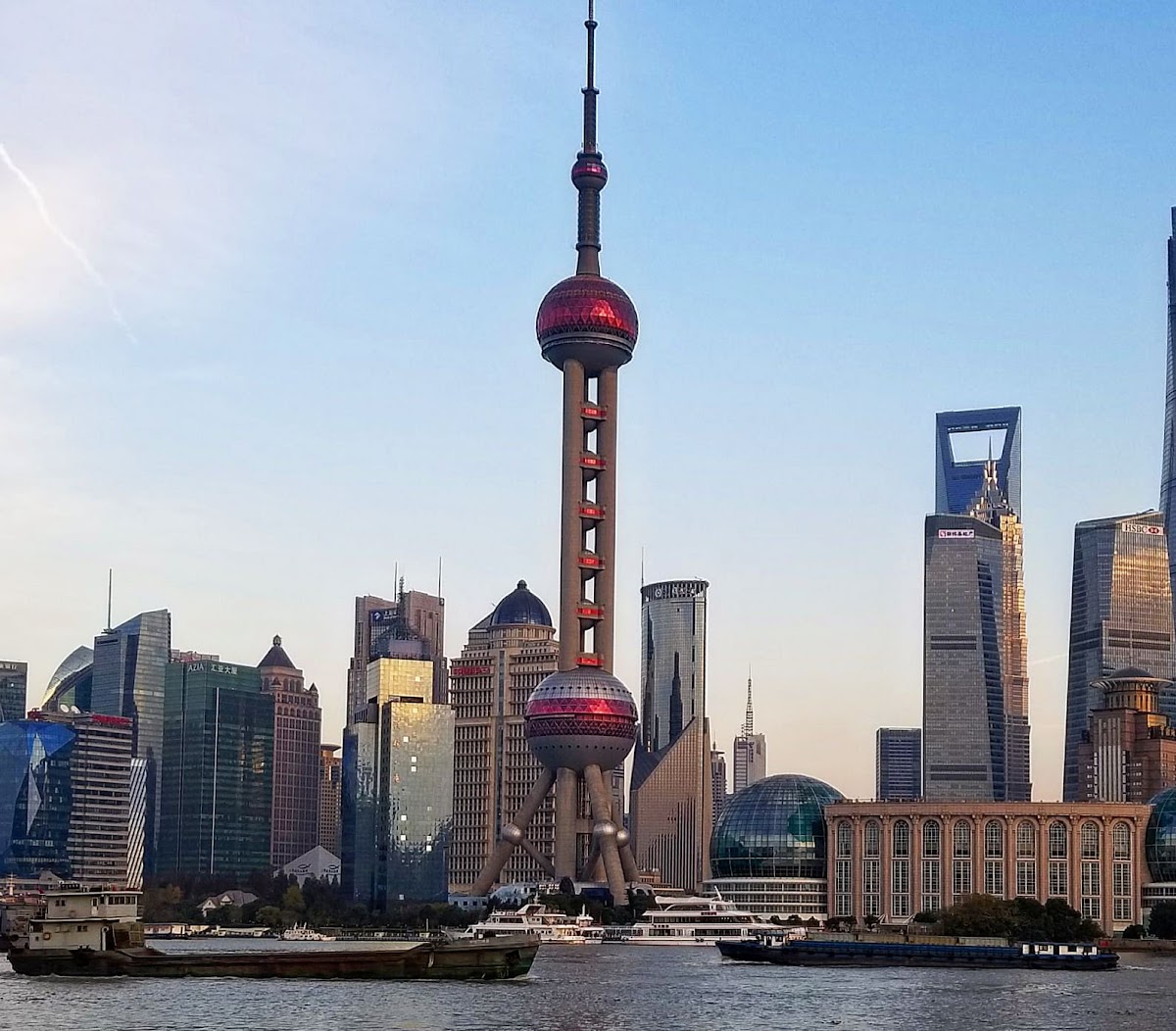
The Bund is a waterfront area and protected historical district in central Shanghai, running along the western bank of the Huangpu River. It is known for its collection of 52 buildings in various Western architectural styles, including Gothic, Baroque, Neoclassical, and Art Deco. From the promenade, you can see the modern skyscrapers of Lujiazui in Pudong across the river.
Đừng bỏ lỡ
- The HSBC Building (No. 12, The Bund), completed in 1923, once called 'the most luxurious building between the Suez Canal and the Bering Strait', with restored ceiling mosaics in the entrance hall.
- The Customs House (No. 13, The Bund), built in 1927, with a clock and bell built in England in imitation of Big Ben.
- Sassoon House (No. 20, The Bund), with the attached Cathay Hotel, famous for its jazz band.
- The only bronze statue along the Bund, of military officer Chen Yi, the first Communist mayor of Shanghai, near the Nanjing Road intersection.
- Huangpu Park at the northern end, containing the Shanghai People's Heroes Memorial Tower, a tall abstract concrete tower built in 1993.
- The view of the modern skyscrapers of Lujiazui in Pudong across the Huangpu River.
Vé & tour
Các cách tham quan The Bund
Bạn có thể tự xem The Bund. Tour đáng giá cho câu chuyện đằng sau nó, cho phương tiện di chuyển, hoặc kết hợp các điểm gần đó trong một ngày.
Cách di chuyển
Điều cần biết trước khi đi
- The Bund stretches one mile (1.6 km) along the bank of the Huangpu River, traditionally from Yan'an Road in the south to Waibaidu Bridge in the north.
- A tall levee, constructed in the 1990s to ward off flood waters, now stands some 10 meters higher than street level along the riverfront.
- Zhongshan Road, the road on which the Bund is centered, was widened to ten lanes in the 1990s, reducing the parkland that once existed along the road.
Một chút lịch sử
From the 1860s to the 1930s, the Bund was the rich and powerful center of the foreign establishment in Shanghai, operating as a legally protected treaty port. It housed numerous banks and trading houses from many countries. By the 1940s, it held the headquarters of most major financial institutions in China. After the Communist victory, many institutions moved to Hong Kong in the 1950s. In the late 1970s and 1980s, buildings were gradually returned to their former uses. A major reconfiguration of traffic flow was carried out from 2008, and the Bund reopened to the public on March 28, 2010, after restoration for the World Expo.
Câu hỏi thường gặp
What does the name 'Bund' mean?
The term 'bund' was borrowed into English from Hindustani and originally referred to a dyke or embankment. In Chinese treaty ports, it was applied to an embanked quay along the shore. The Chinese name literally means 'outer bank'.
How many buildings are on the Bund?
There are 52 buildings of various Western classical and modern styles along the Bund.
Is the Bund a good place to see the Pudong skyline?
Yes, the area along the river faces the modern skyscrapers of Lujiazui in Pudong, and the Bund is one of the most prominent features when viewed from the Shanghai World Financial Center.
Thêm điểm tham quan ở Shanghai