Religious site · Phra Nakhon
Wat Suthat
 PEAK99 · Wikimedia Commons · CC BY-SA 4.0
Some booking links are affiliate links. If you book through them, we may earn a small commission at no extra cost to you. We never let this influence which places we recommend.
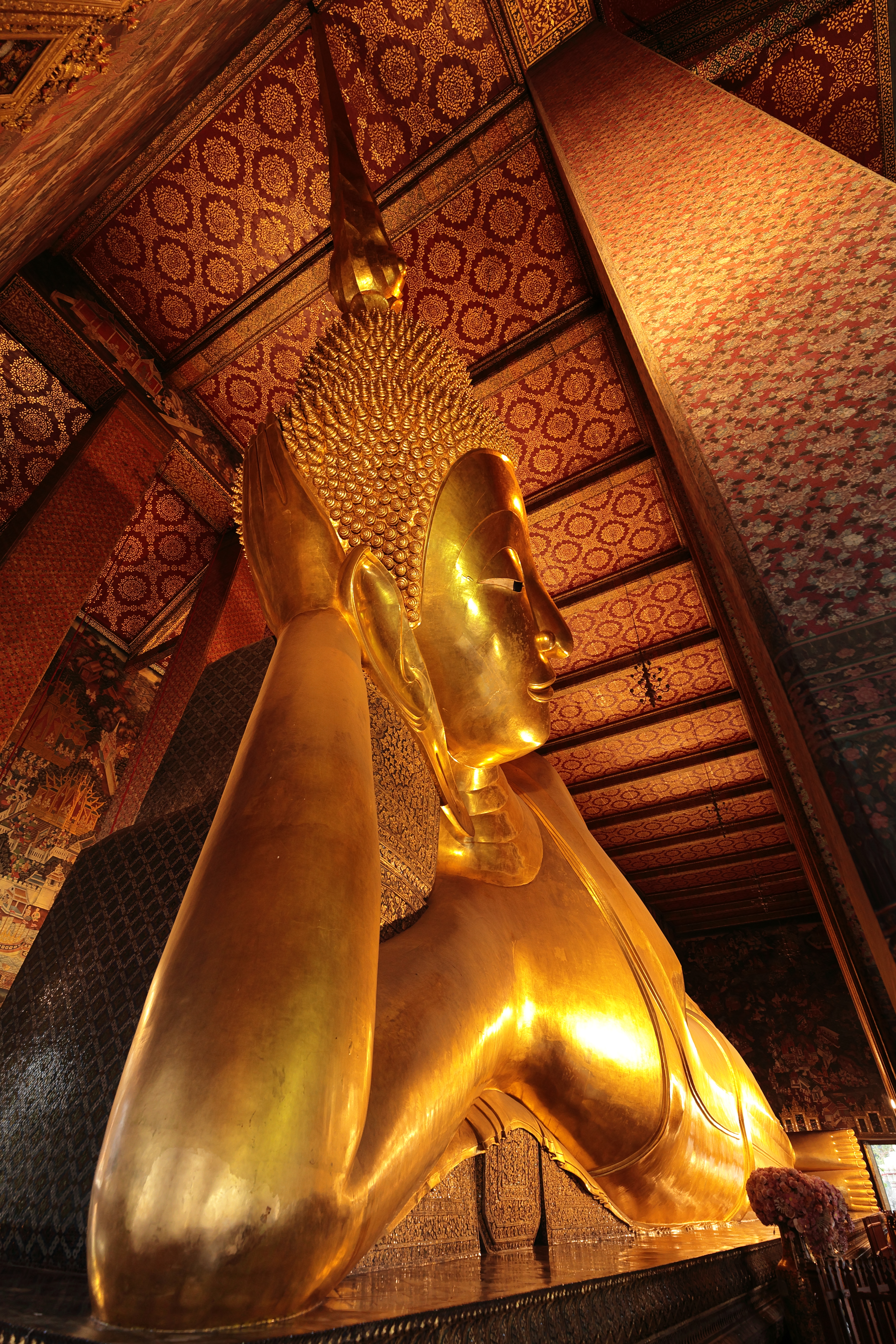
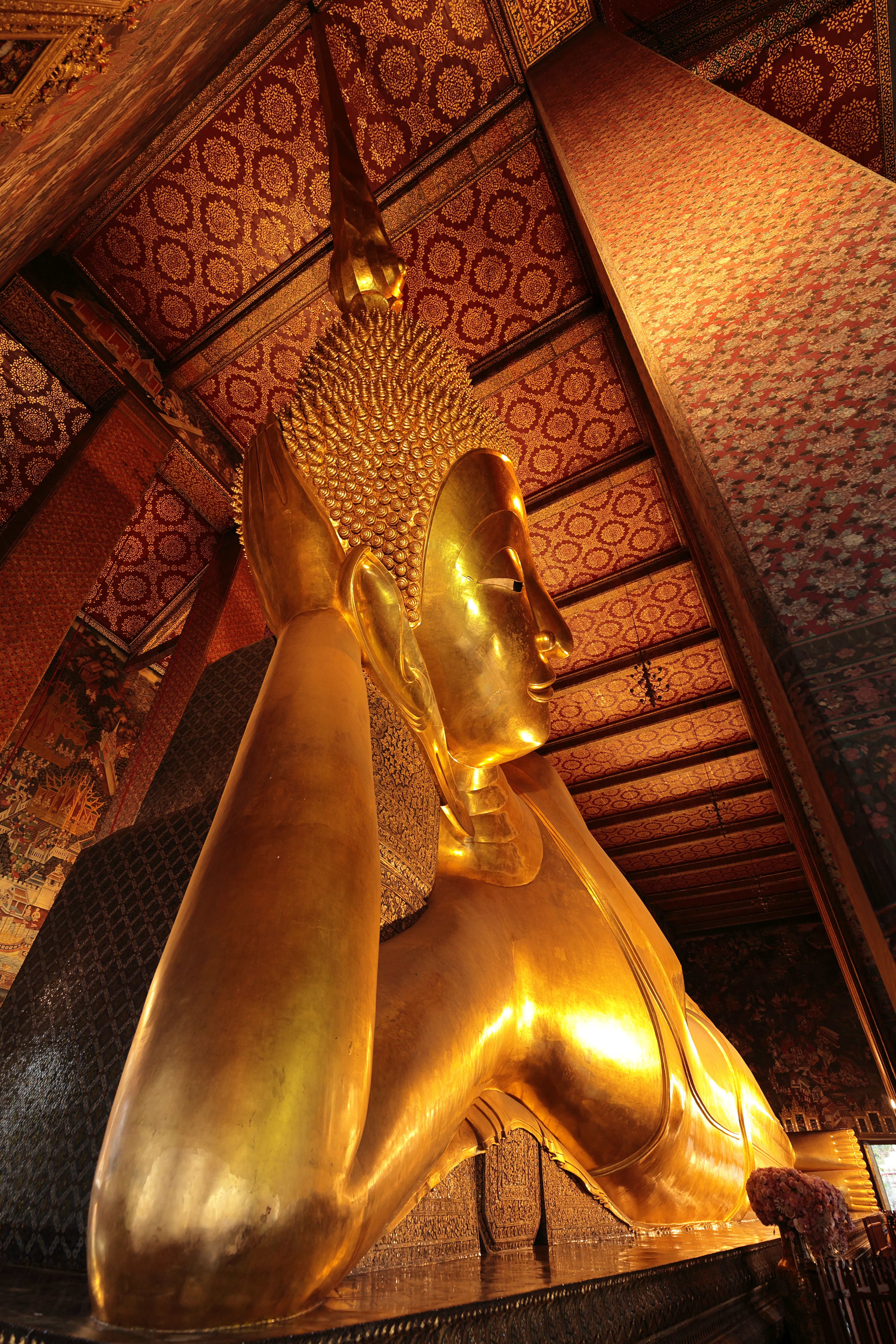
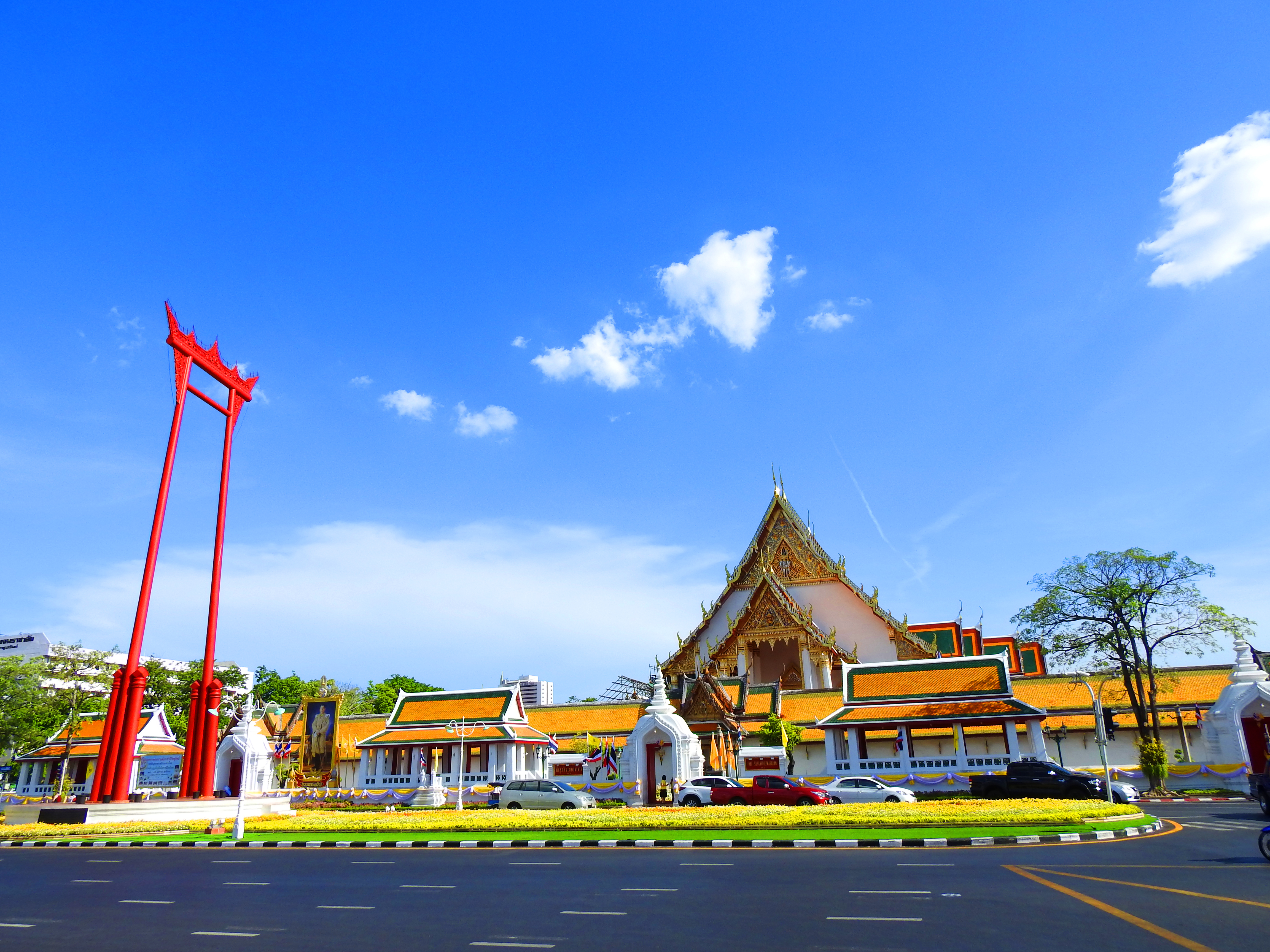
Wat Suthat Thepwararam, commonly called Wat Suthat, is one of Bangkok's oldest and most significant temples, located in the Phra Nakhon district. Built in the early 19th century during the reign of King Rama I, it features a massive red sandstone Buddha statue, Phra Sri Sakayamuni, which is over 8 meters tall and originally from Sukhothai. The temple's main hall (ubosot) is renowned for its exquisite murals depicting scenes from the Buddha's life and Thai folklore, painted by master artists of the Rattanakosin period. Outside, the iconic Giant Swing (Sao Ching Cha) stands as a symbol of Bangkok, once used in Brahmin ceremonies. The temple complex also includes a peaceful courtyard with numerous Buddha images and a bell tower. Visitors are struck by the serene atmosphere despite its central location, making it a must-see for those interested in Thai art and history.
Don't miss
- Admire the 8-meter-tall Phra Sri Sakayamuni Buddha statue from Sukhothai
- Study the detailed murals inside the main hall depicting Buddhist cosmology
- Photograph the iconic Giant Swing at the temple entrance
- Walk through the cloister lined with numerous Buddha images
- Listen for the temple's ancient bell, rung during ceremonies
Tickets & tours
Ways to visit Wat Suthat
You don't need a tour to visit, entry is free. A tour is worth it if you want transport, a guide, or to combine Wat Suthat with nearby sights in one day. That's what these do well.
 Cheapest way inBangkok Temple Walking Tour: Wat Pho Reclining Buddha & Wat Arun4.9★ · 122 travelers~3 hoursFree cancellationFrom$18 per personSee dates →
 Best full dayBangkok Private Highlights Tour with Local Guide4.9★ · 4,593 travelers~8 hoursFrom$72 per personSee dates →
 Private & flexibleTop 3 Must-see Temples in Bangkok Private Tour [Optional Luxury]4.9★ · 358 travelers~4 hoursFree cancellationFrom$117 per personSee dates →
Good for
How travelers rate it
Know before you go
- Dress modestly: cover shoulders and knees. Sarongs are often available for rent at the entrance.
- Remove shoes before entering the main hall and other sacred buildings.
- Photography is allowed in most areas, but avoid using flash near the murals.
- Bring cash for entrance fee and donations; credit cards are not accepted.
A bit of history
Construction of Wat Suthat began in 1807 under King Rama I and was completed by King Rama III in 1847. The Giant Swing was originally used for a ceremony to honor the Hindu god Shiva, but the ritual was discontinued in the 1930s.
Common questions
What is the Giant Swing for?
The swing was used in a Brahmin ceremony where participants would swing to grab a bag of gold. The ritual was banned due to accidents, but the swing remains as a landmark.
Is there a dress code?
Yes, visitors must cover shoulders and knees. If you forget, you can borrow or rent a sarong at the entrance.
How much is the entrance fee?
The fee is modest for foreigners (around 100 THB) and free for Thai nationals. Check the official site for updates.
Can I take photos inside?
Yes, photography is allowed, but no flash inside the main hall to protect the murals. Tripods may require permission.
How do I get there by public transport?
Take the MRT Blue Line to Sam Yot station, exit 1, then walk about 10 minutes. Alternatively, take a bus or taxi.
Is Wat Suthat worth visiting?
Absolutely. It's one of Bangkok's most beautiful temples with unique art and history, and less crowded than Wat Phra Kaew.
More attractions in Bangkok