Religious site
Al-Omari Mosque
Alguns links de reserva são links de afiliados. Se você reservar por eles, podemos receber uma pequena comissão sem custo extra para você. Isso nunca influencia quais lugares recomendamos.
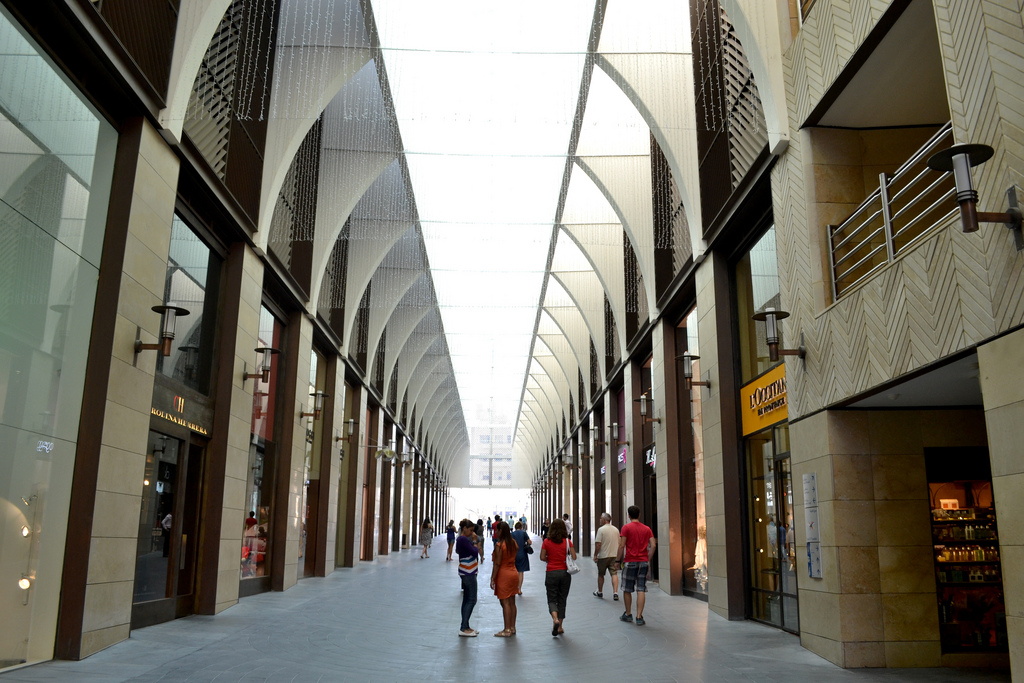
Al-Omari Mosque, also known as the Great Mosque of Beirut, is one of the city's most significant religious sites. Originally a Crusader church, it was converted into a mosque in the 13th century and has since been a center of Islamic worship. The mosque features a large courtyard with a fountain for ablutions, surrounded by arched colonnades. Inside, the prayer hall is adorned with intricate stonework and stained glass windows. Visitors are welcome outside of prayer times, and you can admire the blend of architectural styles that reflect Beirut's layered history. The mosque is located in the heart of the city, near the Beirut Souks, making it a convenient stop during a walking tour of downtown.
Não perca
- The grand courtyard with its central fountain
- The Mamluk-era minaret, a landmark of the city
- The intricate stone carvings and calligraphy inside the prayer hall
- The blend of Crusader and Islamic architecture
Ingressos e passeios
Formas de visitar Al-Omari Mosque
Você não precisa de um passeio para visitar, a entrada é gratuita. Vale a pena fazer um passeio se quiser transporte, guia ou combinar Al-Omari Mosque com pontos próximos em um dia. É isso que eles fazem bem.
Ideal para
Como os viajantes avaliam
Como chegar
Antes de ir
- Dress modestly: women should cover head, arms, and legs; men should cover shoulders and knees.
- Remove shoes before entering the prayer hall; there are shelves to store them.
- Photography is allowed in the courtyard but may be restricted inside during prayer times.
- Non-Muslims are welcome outside prayer times; avoid visiting during Friday noon prayers.
Um pouco de história
The site originally housed a Crusader church dedicated to St. John the Baptist. In 1291, the Mamluk sultan al-Ashraf Khalil converted it into a mosque, adding a minaret and other Islamic features. It has been renovated multiple times, most recently after the Lebanese Civil War.
Perguntas frequentes
Can non-Muslims enter the mosque?
Yes, non-Muslims are welcome outside of prayer times. Respectful behavior is expected.
Is there a dress code?
Yes, modest dress is required. Scarves are available at the entrance for women.
What are the opening hours?
The mosque is generally open from dawn until dusk, but it's best to visit between 9 AM and 5 PM.
Is there an entrance fee?
No, entry is free. Donations are appreciated.
How do I get there from the city center?
It's a 10-minute walk from Martyrs' Square or the Beirut Souks. Taxis are also available.
Mais atrações em Beirut