Museum
Malek National Museum and Library
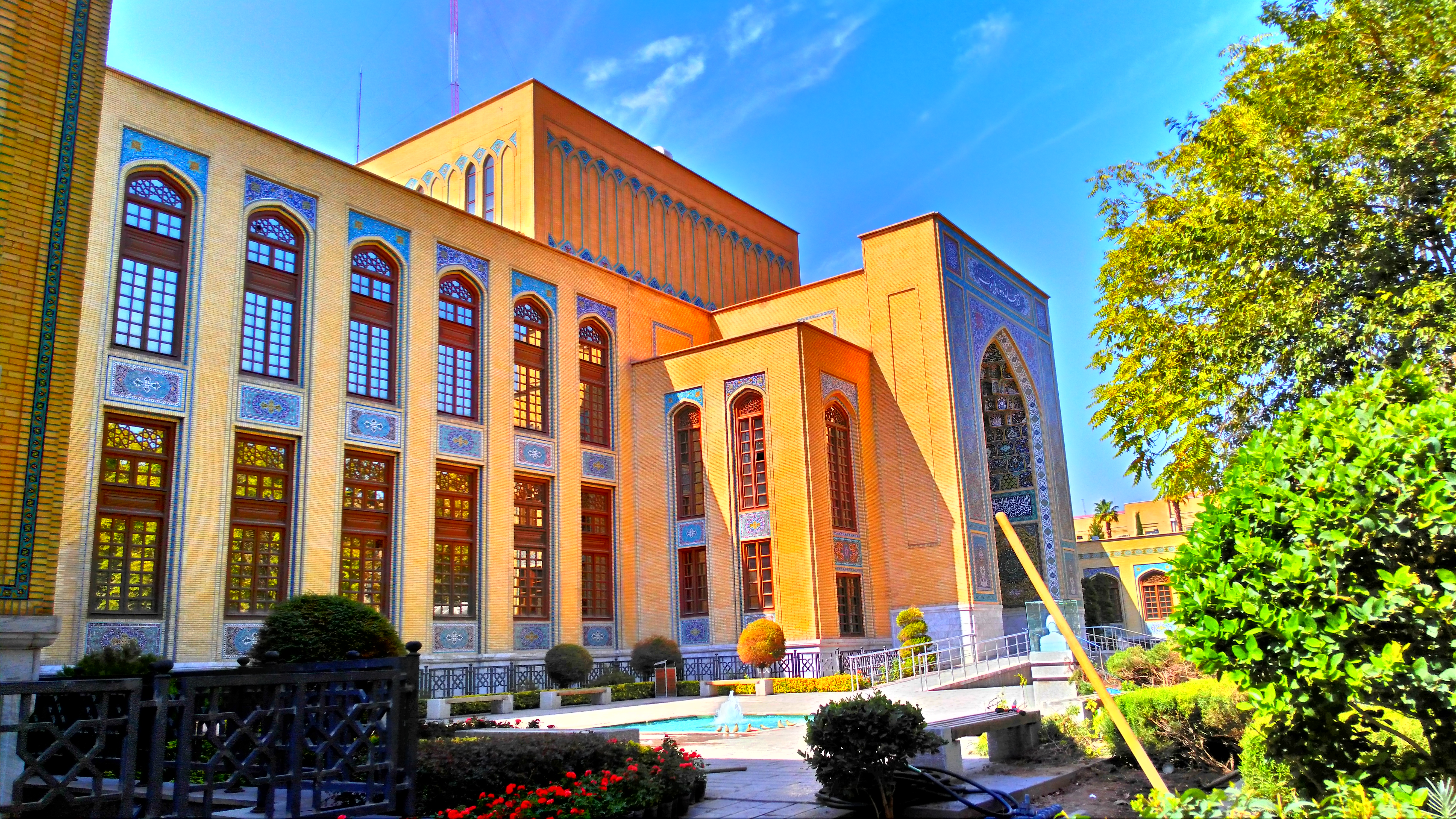 Azadi68 · Wikimedia Commons · CC BY-SA 4.0
Alguns links de reserva são links de afiliados. Se você reservar por eles, podemos receber uma pequena comissão sem custo extra para você. Isso nunca influencia quais lugares recomendamos.
Malek National Museum and Library is a museum and national library in Tehran, Iran. It is the first private museum in Iran and one of six large libraries holding exquisite manuscripts. The collection includes Iranian historical artworks from the first millennium B.C. to the present day, as well as printed books, historical periodicals, coins, stamps, and carpets. The building is located in the historical National Garden area, the cultural-historical center of Tehran.
Não perca
- Exquisite manuscripts and historical periodical documents
- Artworks from the first millennium B.C. to the present day
- Permanent exhibition of stamps
- Coins and carpets on display
- Located on Religions' Street, near churches, a fire temple, a synagogue, and a mosque
Ingressos e passeios
Formas de visitar Malek National Museum and Library
Você pode visitar Malek National Museum and Library por conta própria. Um guia principalmente acrescenta contexto, o que você está vendo e por que importa, e um passeio pode incluir transporte ou combinar pontos próximos em um dia.
 Entrada mais barataBeijing:National Museum of China ticket4.8★ · 12 viajantes2-6 horasCancelamento grátisA partir de$10 por pessoaVer datas →
 Melhor dia completoThe Civilization Museum, the Citadel, Khalili Bazaar & Old Cairo5★ · 165 viajantes7-8 horasCancelamento grátisA partir de$15 por pessoaVer datas →
 Privado e flexívelTokyo National Museum Private Tour4.9★ · 30 viajantes~2 horasCancelamento grátisA partir de$102 por pessoaVer datas →
Como chegar
Antes de ir
- Located in the historical National Garden area, the cultural-historical center of Tehran.
- Near Imam Khomeini Central Metro Station, a taxi terminal, and two bus terminals for easy access.
- Typical visitors include university students, researchers, and tourists.
Um pouco de história
The museum was built by Hossein Agha Malek, the richest man in Iran at the time, in a traditional Persian architecture style. In 1908, he founded a library in Mashhad with manuscripts and printed books, later moving it to his house near the Tehran Grand Bazaar, where he provided free access for scholars. The institution is a non-profit aimed at expanding knowledge, available to both Iranian and foreign visitors. In 1996, it moved to its current six-story building, designed with Islamic architecture and arts.
Mais atrações em Tehran