Museum
National September 11 Memorial & Museum
 Paul Sableman · Wikimedia Commons · CC BY 2.0
Alcuni link di prenotazione sono link di affiliazione. Se prenoti tramite essi, potremmo guadagnare una piccola commissione senza costi aggiuntivi per te. Non lasciamo mai che questo influenzi i luoghi che consigliamo.
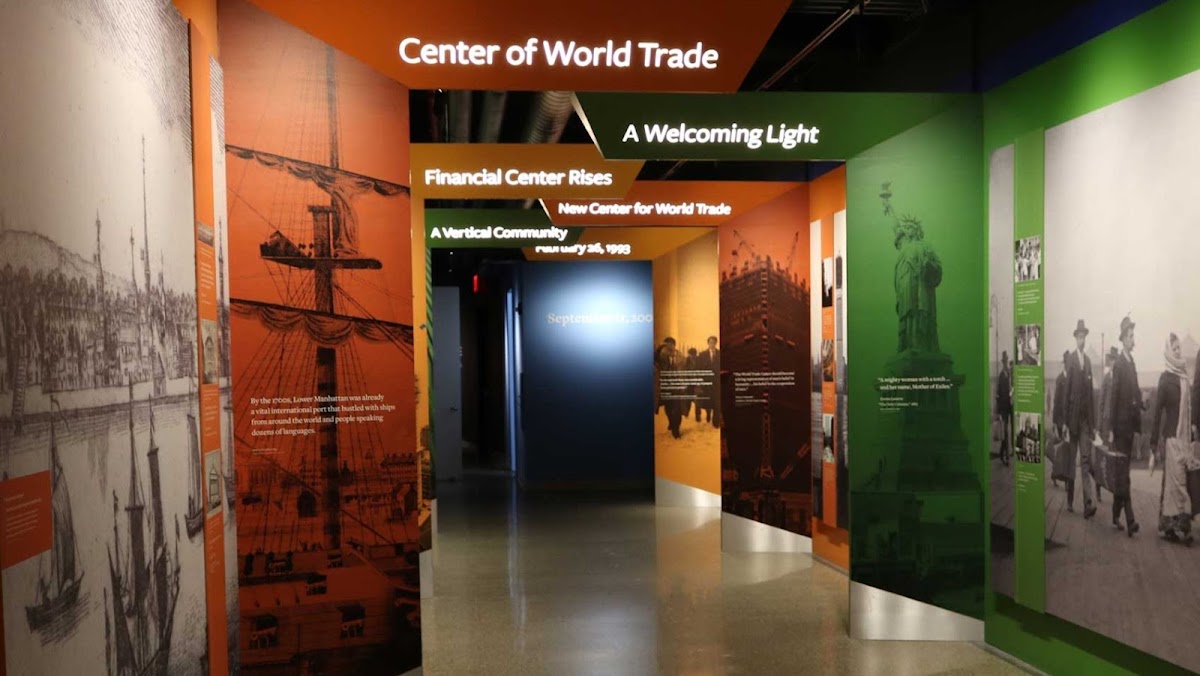
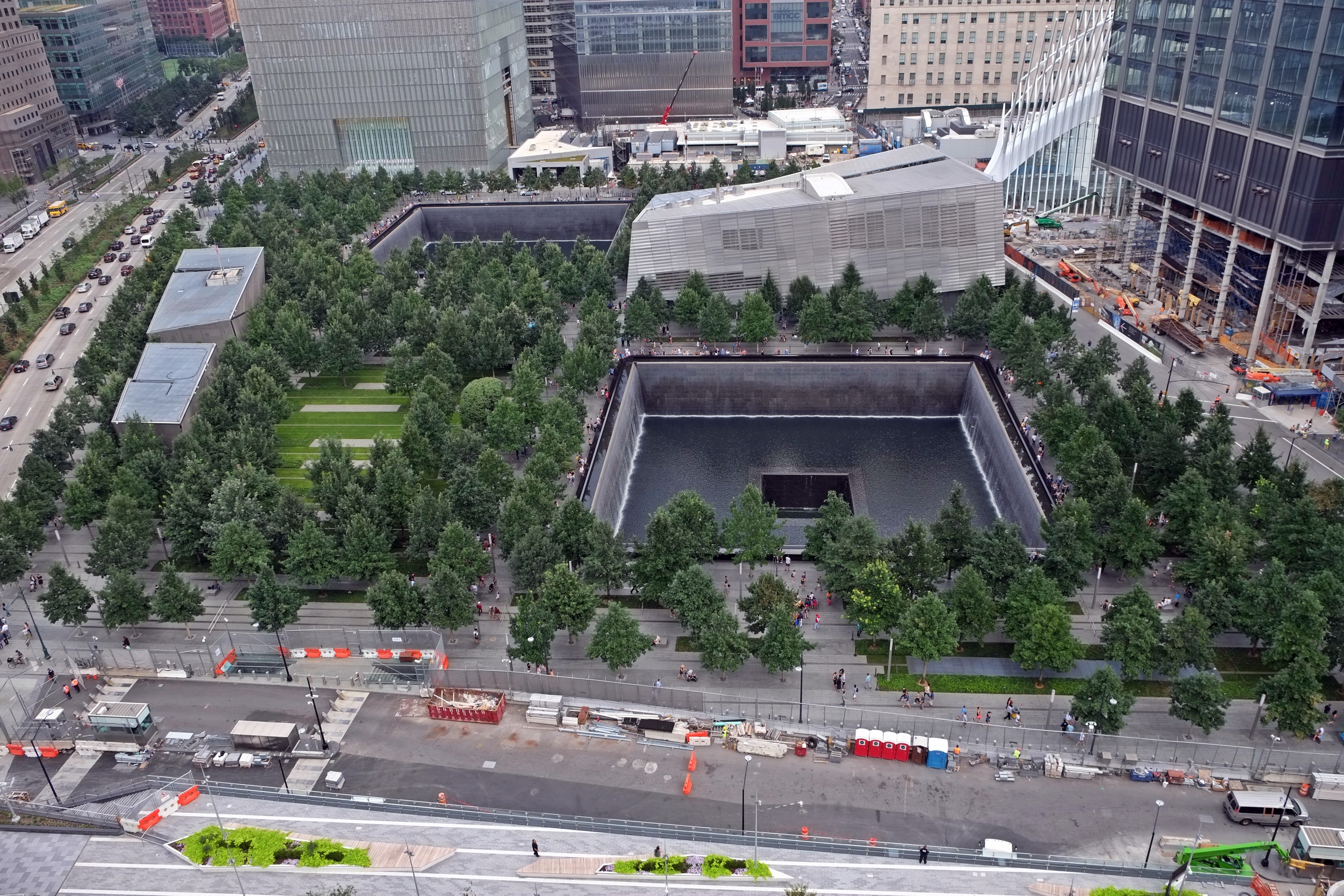
Il National September 11 Memorial & Museum sorge sul sito del World Trade Center, dove due immense vasche riflettenti si riversano in vuoti quadrati, segnando le impronte delle torri. I visitatori camminano tra i nomi delle quasi 3.000 vittime incisi sui parapetti di bronzo. Il museo sotterraneo espone reperti come travi d'acciaio contorte, effetti personali e testimonianze orali registrate, offrendo un viaggio solenne e coinvolgente attraverso gli eventi del 2001 e la ricostruzione del sito. È un luogo di riflessione e ricordo, non solo una mostra storica.
Da non perdere
- Le due vasche gemelle con le loro cascate infinite e i nomi incisi
- L'Ultima Colonna, una trave d'acciaio coperta di messaggi commemorativi dei soccorritori
- Le Scale dei Sopravvissuti, che centinaia di persone usarono per fuggire dalle torri
Biglietti e tour
Come visitare National September 11 Memorial & Museum
Puoi visitare National September 11 Memorial & Museum da solo. Una guida serve soprattutto per aggiungere contesto, spiegare cosa stai guardando e perché è importante; un tour può includere il trasporto o abbinare più attrazioni vicine in un giorno.
 Il più economico9/11 Memorial & Ground Zero Tour with Optional Museum Admission4.8★ · 63 viaggiatori~2 oreCancellazione gratuitaDa$24 a personaVedi date →
 Migliore giornata interaNew York in One Day Guided Sightseeing Tour4.8★ · 13.628 viaggiatori~6 oreCancellazione gratuitaDa$99 a personaVedi date →
 Privato e flessibileNew York Private 9/11 Memorial Tour with Optional Museum Ticket4.9★ · 282 viaggiatori2-4 oreCancellazione gratuitaDa$199 a personaVedi date →
Da sapere prima di andare
- The memorial is a place of remembrance for victims of both the 2001 attacks and the 1993 World Trade Center bombing.
- The outdoor plaza and pools sit at street level, while the museum is below the plaza.
- Names on the parapets are arranged by meaningful adjacencies rather than simple alphabetical order.
- The museum preserves large structural artifacts as well as personal and historical material connected to the attacks.
Un po' di storia
Plans for a permanent memorial began soon after the destruction of the World Trade Center. In 2003, the Lower Manhattan Development Corporation launched an international design competition that drew 5,201 submissions from 63 countries. A jury chose Reflecting Absence by Michael Arad and Peter Walker in January 2004. Their proposal placed two pools in the tower footprints and organized the surrounding landscape as a field of swamp white oaks. The victims' names were arranged through meaningful adjacencies, grouping people by where they were, their work or organizational connections, and requests from relatives. Heavy construction began in 2006. The Survivors' Staircase was lowered to bedrock in 2008, becoming the first major artifact moved into the museum. Construction also incorporated thousands of tons of steel, the pools' structural frames and granite linings, and two salvaged tridents from the towers. Trees were planted from 2010 onward, including the Survivor Tree. The memorial was dedicated on 11 September 2011 and opened to the public the next day. The underground museum's construction halted temporarily in December 2011 during an infrastructure-cost dispute, resumed in September 2012, and opened to the public on 21 May 2014. The institution is operated by a nonprofit organization formed to fund, program, and manage the memorial and museum.
Domande frequenti
What do the two memorial pools represent?
They occupy the footprints of the destroyed North and South Towers and form the central element of the Reflecting Absence design.
Whose names appear around the pools?
The parapets carry the names of 2,977 victims of the September 2001 attacks and six victims of the 1993 World Trade Center bombing.
Why are some names placed together?
The arrangement uses meaningful adjacencies based on location, workplace or organizational ties, and requests submitted by victims' relatives.
What is the Survivor Tree?
It is a Callery pear found damaged at the site after the attacks. It was nursed back to health and later returned to the memorial plaza.
When did the memorial and museum open?
The memorial opened to the public on 12 September 2011. The museum opened on 21 May 2014.
Altre attrazioni a New York