Landmark
Tehran Grand Bazaar
 Brunobuisson · Wikimedia Commons · CC BY-SA 4.0
Alcuni link di prenotazione sono link affiliati. Se prenoti tramite loro, potremmo guadagnare una piccola commissione senza costi aggiuntivi per te. Non lasciamo mai che questo influenzi i luoghi che raccomandiamo.
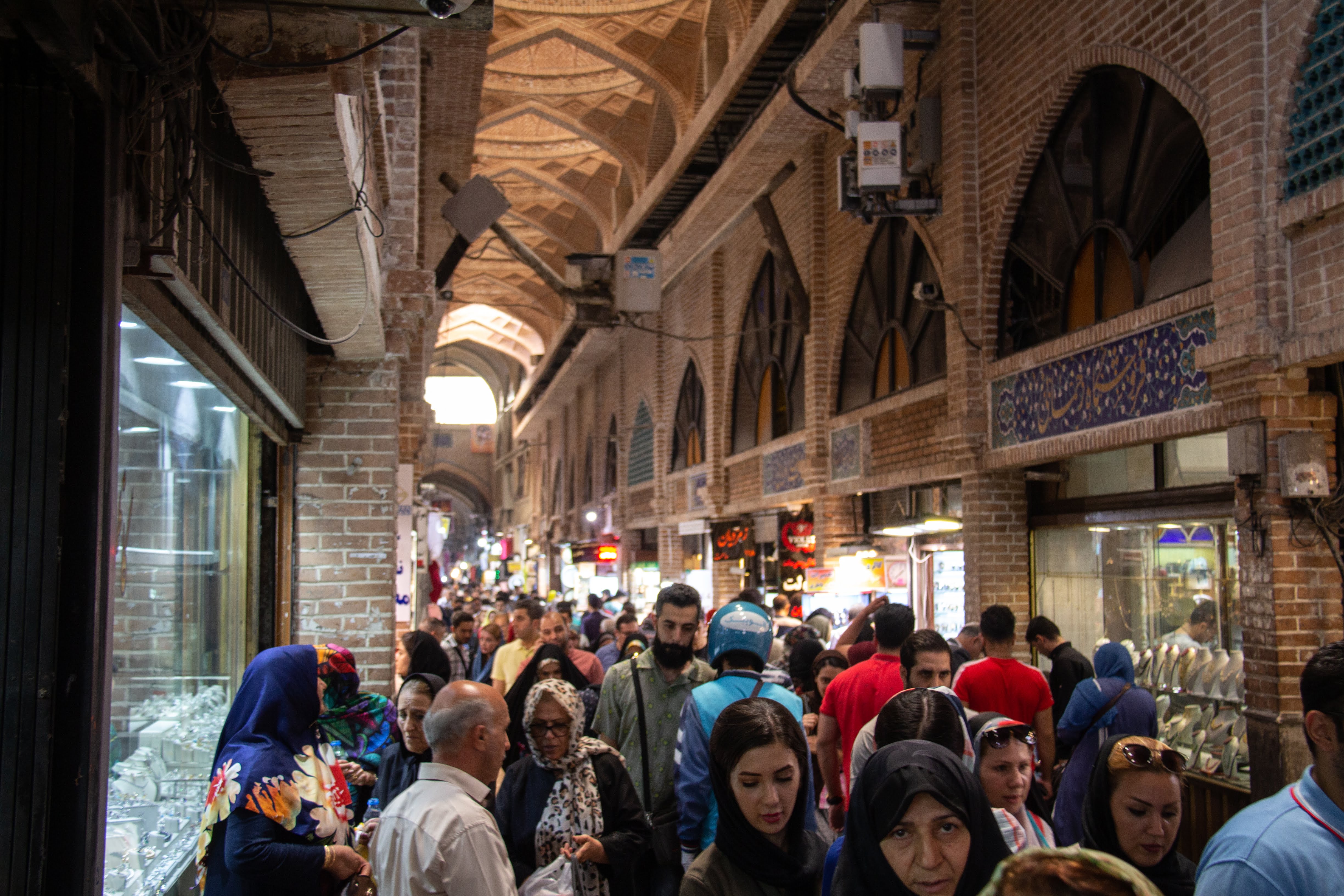
Tehran Grand Bazaar is a vast covered market in the heart of the Iranian capital, spanning over 10 kilometers of interconnected alleys, courtyards, and caravanserais. It is one of the oldest and largest bazaars in the Middle East, dating back centuries. The bazaar is divided into specialized sections, including carpet sellers, gold and jewelry merchants, spice traders, and textile vendors. Visitors can experience the vibrant atmosphere, haggle with shopkeepers, and observe traditional Iranian commerce. The architecture features high vaulted ceilings, intricate tilework, and historic mosques like the Imam Khomeini Mosque. Beyond shopping, the bazaar offers a glimpse into Tehran's social and economic life, with tea houses, banks, and workshops interspersed. It's a must-visit for those seeking authentic Iranian culture and craftsmanship.
Da non perdere
- Explore the carpet section for handwoven Persian rugs
- Visit the Imam Khomeini Mosque within the bazaar
- Sample traditional snacks like saffron ice cream and faloodeh
- Browse the gold and jewelry arcades
- Watch artisans at work in the copper and metal workshops
Biglietti e tour
Modi per visitare Tehran Grand Bazaar
Non serve un tour per visitare, l'ingresso è gratuito. Un tour vale la pena se vuoi trasporto, una guida, o combinare Tehran Grand Bazaar con attrazioni vicine in un giorno. Questo è ciò che fanno bene.
Ideale per
Come lo valutano i viaggiatori
Come arrivare
Da sapere prima di andare
- Bring cash (Iranian rials) as credit cards are not accepted.
- Haggling is expected; start at half the asking price.
- Dress modestly out of respect for local customs.
- Ask permission before photographing shopkeepers.
Un po' di storia
The bazaar's origins trace back to the Safavid era (16th-18th centuries), but much of the current structure was built in the 19th century under the Qajar dynasty. It has long been a center of trade and political activity, including during the 1979 Islamic Revolution.
Domande frequenti
What are the opening hours?
Generally open Saturday to Wednesday from 9 AM to 5 PM, and Thursday from 9 AM to 1 PM. Closed on Fridays and public holidays.
Is it safe for tourists?
Yes, but be mindful of pickpockets in crowded areas. Keep valuables secure.
Can I use credit cards?
No, international credit cards are not accepted due to sanctions. Bring sufficient cash.
Are there restrooms?
Yes, public restrooms are available, but they may be basic. Carry tissues.
What should I buy?
Popular items include Persian carpets, saffron, dried fruits, handicrafts, and jewelry.
Is English spoken?
Not widely. Learning a few Persian phrases (like 'mamnoon' for thank you) can be helpful.
Altre attrazioni a Tehran