Religious site
Yonghe Temple
 xiquinhosilva · Wikimedia Commons · CC BY 2.0
חלק מקישורי ההזמנה הם קישורי שותפים. אם תזמינו דרכם, אנו עשויים לקבל עמלה קטנה ללא עלות נוספת לכם. אנחנו אף פעם לא נותנים לזה להשפיע על ההמלצות שלנו.
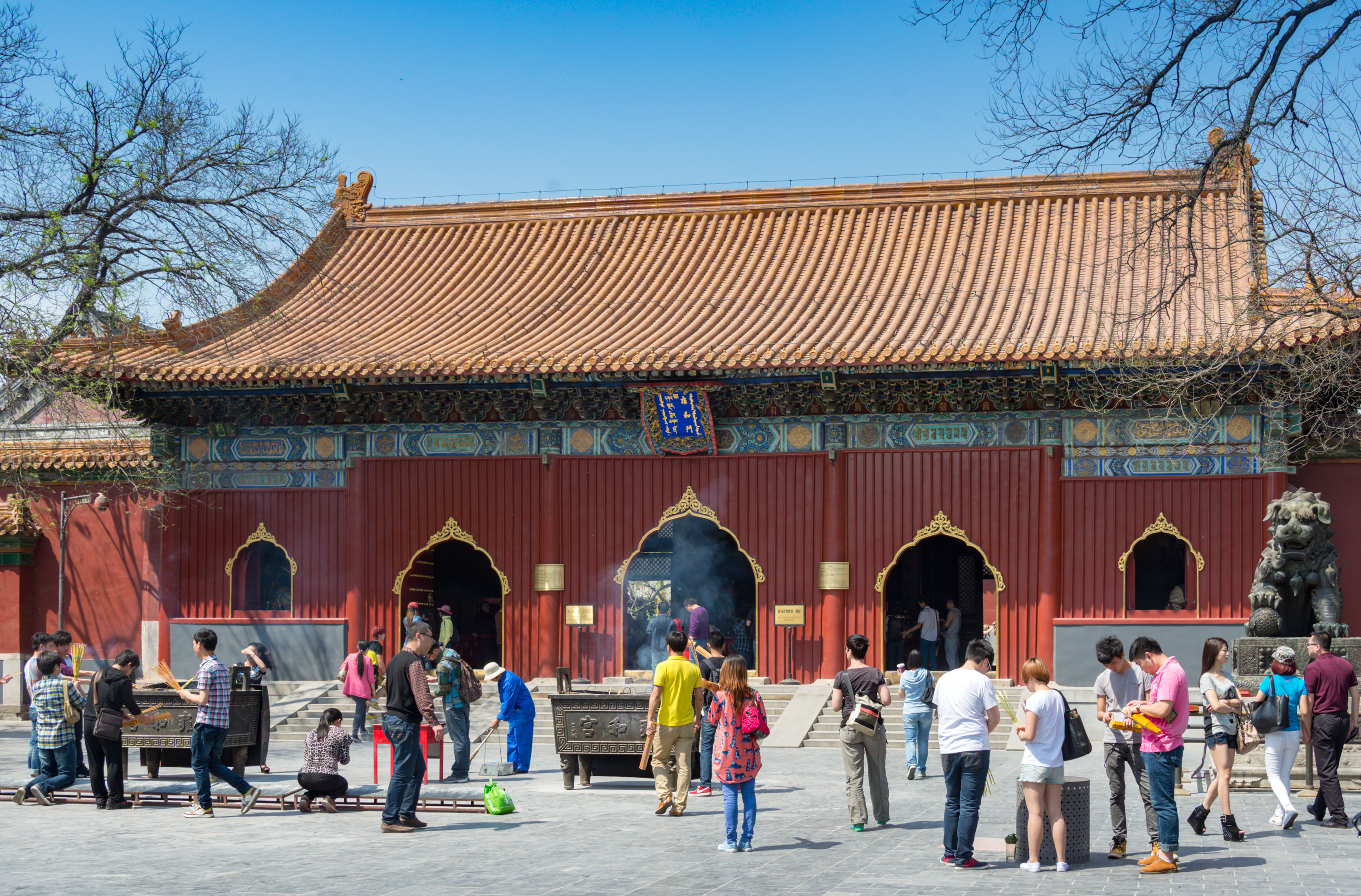
Yonghe Temple, also known as the Lama Temple, is a Tibetan Buddhist monastery and temple in Beijing's Dongcheng District. It combines Han Chinese and Tibetan architectural and artistic styles and is one of the largest Tibetan Buddhist monasteries in China proper. The temple is both a functioning place of worship and a popular tourist attraction.
אל תפספסו
- The 18-metre-tall statue of the Maitreya Buddha carved from a single piece of white sandalwood, a gift from the seventh Dalai Lama
- The Five-Hundred-Arhat-Hill carving made of red sandalwood with arhat statues made from five different metals
- Three bronze statues of the Buddhas of the Three Ages in the main Hall of Harmony and Peace
- The Hall of the Wheel of the Law, which contains a large statue of Je Tsongkhapa, founder of the Geluk School
- Two steles written in Chinese, Manchu, Tibetan, and Mongolian, including the Discourse of Lama stele from 1792
כרטיסים וסיורים
דרכים לבקר ב-Yonghe Temple
אפשר לבקר ב-Yonghe Temple לבד. מדריך שווה בשביל ההיסטוריה והפרטים שקל לפספס, וסיור יכול לשלב אותו עם אתרים סמוכים.
 הדרך הכי זולהTemple of Heaven Ticket Booking4★ · 41 מטיילים1-3 שעותביטול חינםהחל מ$5 לאדםראו תאריכים →
 הכי טוב ליום שלםTemple Heaven, Lama Temple, Summer Palace & Peking Duck Bus Tour5★ · 617 מטיילים~8 שעותביטול חינםהחל מ$24 לאדםראו תאריכים →
 פרטי וגמישBeijing to Datong See YunGang Cave, Hanging Temple (Bullet Train)5★ · 47 מטיילים12-15 שעותביטול חינםהחל מ$417 לאדםראו תאריכים →
איך מגיעים
לפני שאתם הולכים
- The temple is arranged along a north–south central axis about 480 metres long.
- The building and artwork combine Han Chinese and Tibetan styles.
- The temple is a functioning Gelug school Tibetan Buddhist monastery.
קצת היסטוריה
Building work started in 1694 on the site of a former Ming dynasty eunuch residence. It became the residence of Prince Yong (the future Yongzheng Emperor) in 1702. After Yongzheng's death, his coffin was placed here from 1735 to 1737. In 1744, the Qianlong Emperor converted the palace into a lamasery. The temple survived the Cultural Revolution reportedly due to Premier Zhou Enlai's intervention and reopened to the public in 1981.
שאלות נפוצות
What is the most famous artwork inside the temple?
The most famous artwork is the 18-metre-tall statue of the Maitreya Buddha carved from a single piece of white sandalwood, which was included in the Guinness Book of Records in 1993.
How did the temple get its name?
The name comes from its history as the residence of Prince Yong, who later became the Yongzheng Emperor. After he ascended the throne, the residence was promoted to the 'Palace of Peace and Harmony' (Yonghegong).
When did the palace become a monastery?
The Qianlong Emperor converted the former palace into a lamasery in 1744.
What is the Cham dance?
The Cham dance is a Tibetan Buddhist ritual dance adopted by the temple shortly after its conversion into a monastery. It was revived in 1987 after being suspended during the Cultural Revolution.
What are the two steles in front of the Yonghe Gate?
They are the Yonghegong Stele, erected in 1744 to mark the palace's conversion into a monastery, and the Discourse of Lama stele, erected in 1792 and written by the Qianlong Emperor about reincarnation issues.
Why is the Hall of Everlasting Protection historically important?
It was Yongzheng's residence while he was a prince and held his coffin after his death.
עוד אטרקציות ב-Beijing