Park & nature
Baghdad Zoo
 Mohammad Ali Huzam from Baghdad, Iraq · Wikimedia Commons · CC BY-SA 2.0
Algunos enlaces de reserva son de afiliado. Si reservas a través de ellos, podemos ganar una pequeña comisión sin coste adicional para ti. Nunca dejamos que esto influya en los lugares que recomendamos.
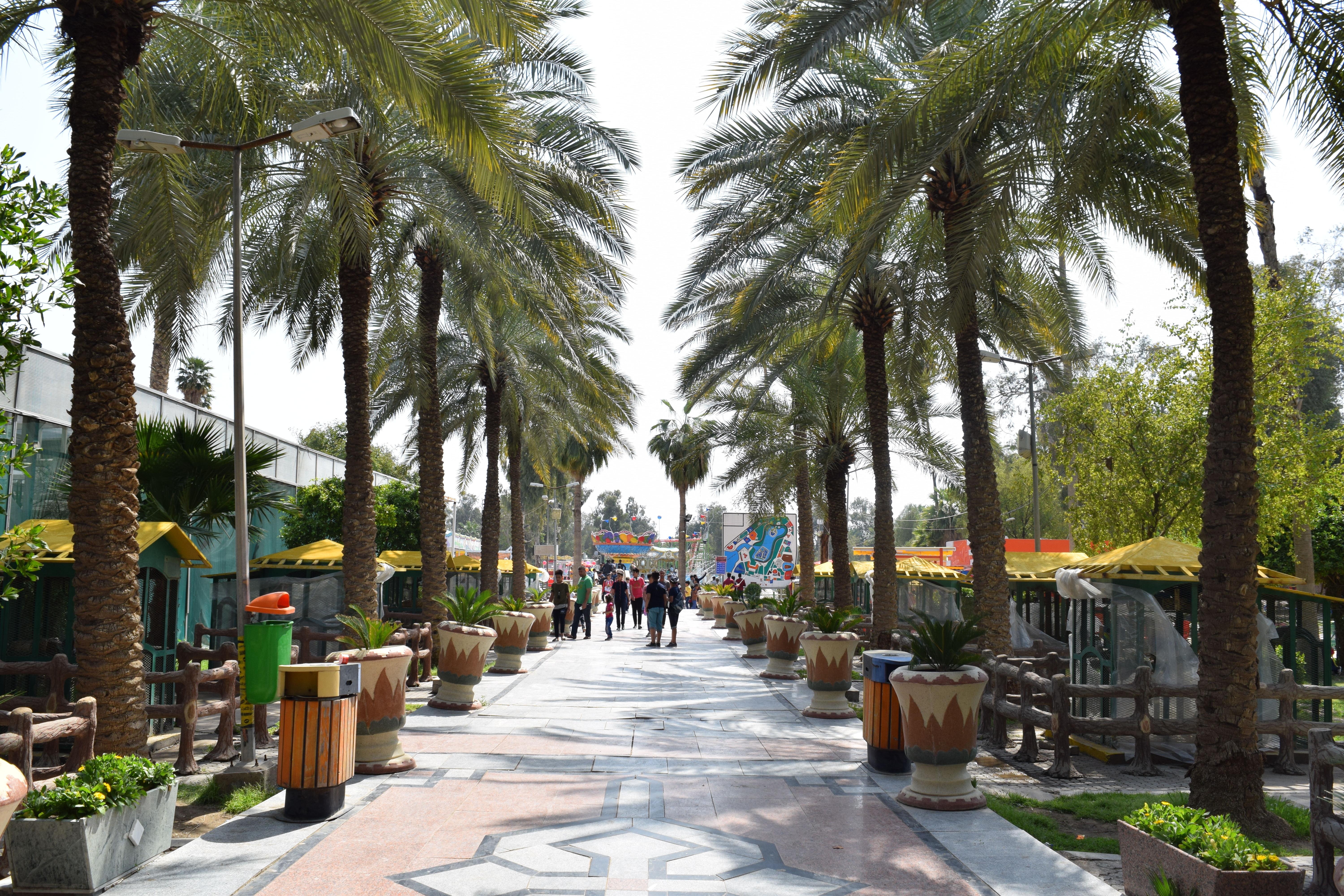
Baghdad Zoo is a 200-acre site within Al-Zawraa Park that opened in 1971. Its most documented story is its near-destruction during the 2003 invasion and the rescue effort that followed, when only about 35 of an estimated 650 to 700 animals survived.
No te pierdas
- The scale of the 200-acre grounds within Al-Zawraa Park
- The rescue story following the zoo's near-destruction in 2003
- The account of Mandor, a Siberian tiger once owned by Uday Hussein, and Saida, a blind brown bear
- Landscape plantings that include eucalyptus, olive, and date palms
Entradas y tours
Formas de visitar Baghdad Zoo
Puedes explorar Baghdad Zoo a tu ritmo. Un tour vale la pena principalmente por el transporte, o para combinarlo con lugares cercanos en un día.
 La forma más económicaLagos Zoo Admission Ticket4★ · 184 viajeros~24 horasDesde$22 por personaVer fechas →
 Mejor día completoEntry ticket to Hoo Zoo and Dinosaur World in Telford4.8★ · 830 viajeros~8 horasCancelación gratuitaDesde$27 por personaVer fechas →
 Mejor valoradoAustralia Zoo Day Trip from Brisbane4.9★ · 446 viajeros~9 horasCancelación gratuitaDesde$136 por personaVer fechas →
Cómo llegar
Antes de ir
- The zoo occupies part of Al-Zawraa Park in Baghdad.
- Lawrence Anthony and Graham Spence recount the animal-rescue effort in the book Babylon's Ark.
- The documented park plantings include eucalyptus, olive, and date palms.
Un poco de historia
The zoo was built in 1971 under Ahmed Hassan al-Bakr. It suffered from the United Nations Iraq sanctions after the first Gulf War, which limited food, medicines, and vaccines. Saddam Hussein closed the zoo for renovations in spring 2002. During the 2003 invasion, only about 35 of the original 650–700 animals survived. Zoo staff suspended feeding in early April 2003 when Fedayeen Saddam troops took defensive positions around the zoo. Looters tore open cages and took animals for food. Remaining animals were found starving and thirsty, including Mandor, a Siberian tiger that was Uday Hussein's personal property, and Saida, a blind brown bear. South African conservationist Lawrence Anthony arrived eight days after the invasion to help rescue the animals, working with zoo directors Dr. Adel Salman Mousa and Dr. Husham Mohamed Hussan. U.S. Army Captain William Sumner of the 354th Civil Affairs Brigade improved security and appointed Anthony interim zoo administrator. The zoo reopened on July 20, 2003, with 86 animals, including all 19 surviving lions. In 2008, the zoo had grown to about 800 animals, mostly birds, with only two female lions left from the original 22. That year, two tiger cubs named Hope and Riley were donated from a North Carolina conservation center. By 2009, the zoo reported about 1,070 animals.
Preguntas frecuentes
How large is Baghdad Zoo?
The grounds cover about 200 acres, or 81 hectares.
What happened during the 2003 invasion?
The zoo was nearly destroyed, and only about 35 of an estimated 650 to 700 animals survived looting, starvation, and thirst.
Who led the rescue effort?
South African conservationist Lawrence Anthony arrived with two assistants eight days after the invasion and worked with the zoo directors and civil-affairs personnel.
Is there a book about the rescue?
Yes. The effort is recounted in Babylon's Ark by Lawrence Anthony and Graham Spence.
Más atracciones en Baghdad