Landmark
Liulichang Street
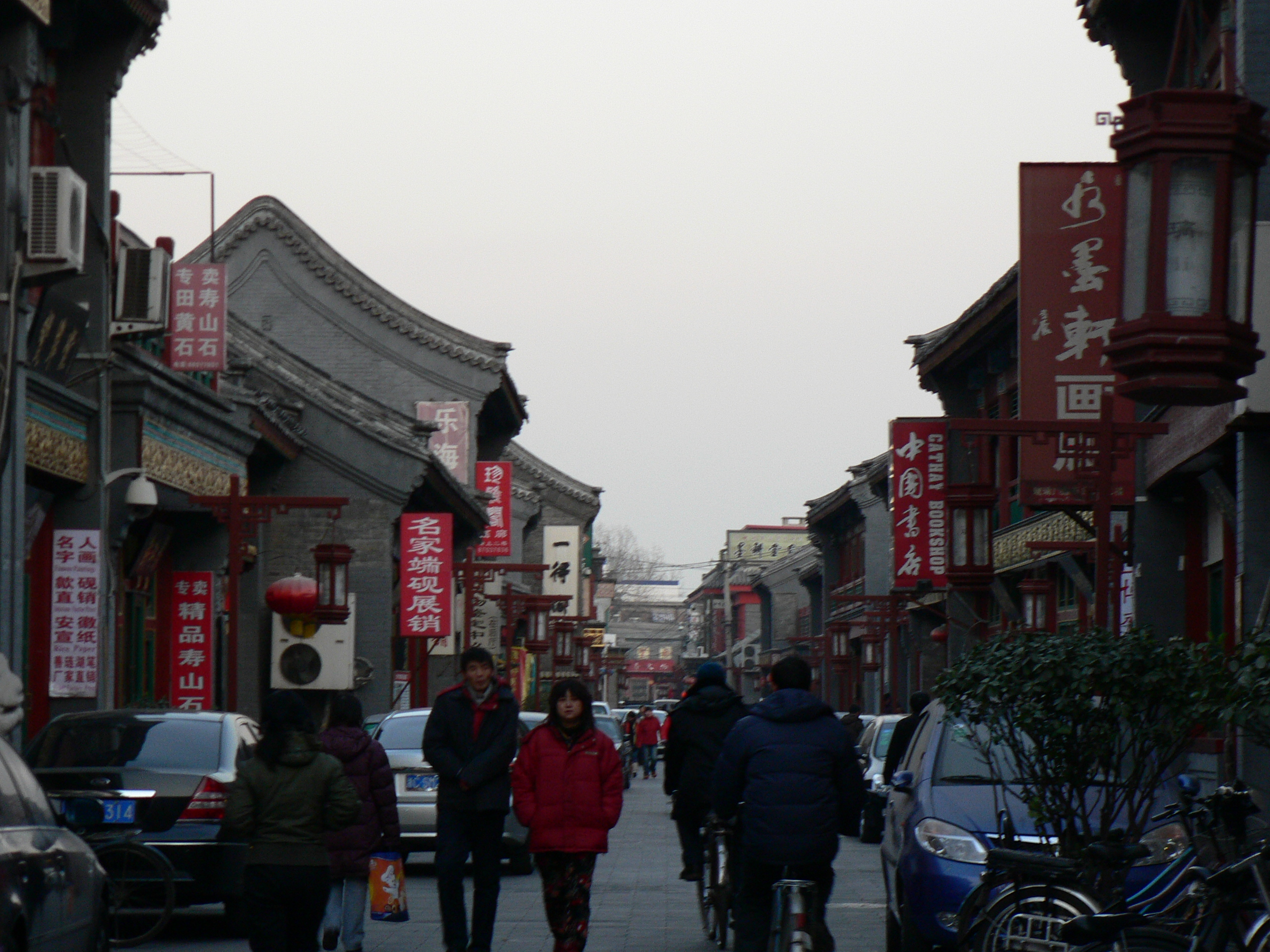 Shazari · Wikimedia Commons · CC BY 2.0
Algunos enlaces de reserva son de afiliado. Si reservas a través de ellos, podemos ganar una pequeña comisión sin coste adicional para ti. Nunca dejamos que esto influya en los lugares que recomendamos.
Liulichang Street is a renowned cultural thoroughfare in Beijing's Xicheng District, famous for its concentration of antique shops, art galleries, and stores selling traditional Chinese crafts. The street's name, meaning 'Colored Glaze Factory,' dates back to the Ming Dynasty when imperial kilns produced glazed tiles here. Today, the street is a pedestrian-friendly zone lined with restored Qing-era buildings, their gray bricks and carved eaves evoking old Beijing. Visitors can browse for calligraphy brushes, ink stones, jade carvings, porcelain, and vintage books. Many shops specialize in reproductions of ancient paintings or offer custom seal-carving services. The atmosphere is unhurried, with shopkeepers often happy to chat about their wares. Even if you're not buying, the street offers a glimpse into Beijing's scholarly and artistic traditions. During Chinese New Year, the street is decorated with lanterns and hosts temple fair activities. It's less crowded than other tourist spots, making it a pleasant place for a leisurely stroll.
No te pierdas
- Browse antique shops for Ming and Qing dynasty ceramics, furniture, and coins.
- Visit the China Bookstore for rare and reprinted Chinese classics.
- Watch artisans carve personalized name seals (chops) in stone.
- Admire the traditional architecture, especially the ornate shopfronts and courtyard homes.
Entradas y tours
Formas de visitar Liulichang Street
No necesitas un tour para visitar, la entrada es gratuita. Un tour vale la pena si quieres transporte, un guía, o combinar Liulichang Street con otros lugares cercanos en un día. Eso es lo que hacen bien.
 La forma más económicaBeijing Historic City Guided Walking Tour + Calligraphy Creation4.9★ · 83 viajeros~4 horasCancelación gratuitaDesde$5 por personaVer fechas →
 Mejor día completoBeijing Essential Full-Day Tour including Great Wall at Badaling, Forbidden City and Tiananmen Square4.6★ · 774 viajeros~9 horasCancelación gratuitaDesde$99 por personaVer fechas →
 Privado y flexibleBeijing Private Hutong Food Walking Tour5★ · 359 viajeros~4 horasCancelación gratuitaDesde$74 por personaVer fechas →
Ideal para
Cómo lo valoran los viajeros
Cómo llegar
Antes de ir
- Bargaining is expected in antique shops, but be respectful. Prices for high-end items may be fixed.
- Be cautious when buying antiques; many items are reproductions. Buy from reputable shops if authenticity matters.
- Photography is allowed on the street, but some shops prohibit it inside. Always ask permission.
- Small items like bookmarks, ink sticks, and paper make affordable souvenirs.
Un poco de historia
Liulichang originated in the Yuan Dynasty as a kiln site for glazed tiles. By the Qing Dynasty, it evolved into a marketplace for books, antiques, and calligraphy supplies, frequented by scholars and officials taking imperial exams.
Preguntas frecuentes
Is Liulichang Street open every day?
Yes, the street is open daily, but most shops operate from 9 AM to 6 PM. Some close on Chinese New Year.
Can I find authentic antiques here?
Yes, but many items are reproductions. For genuine antiques, visit established shops like Rongbaozhai or ask for a certificate of authenticity.
Is there an entrance fee?
No, walking along Liulichang Street is free. Some side museums or galleries may charge a small fee.
How do I get to Liulichang by subway?
Take Line 2 to Hepingmen Station, then walk south for about 5 minutes. The street is well-signposted.
What is the best time of year to visit?
Spring (April–May) and autumn (September–October) offer mild weather. Chinese New Year brings festive decorations but crowds.
Are there English-speaking shopkeepers?
Some shopkeepers speak basic English, especially in tourist-oriented stores. It helps to have a translation app handy.
Más atracciones en Beijing