Religious site
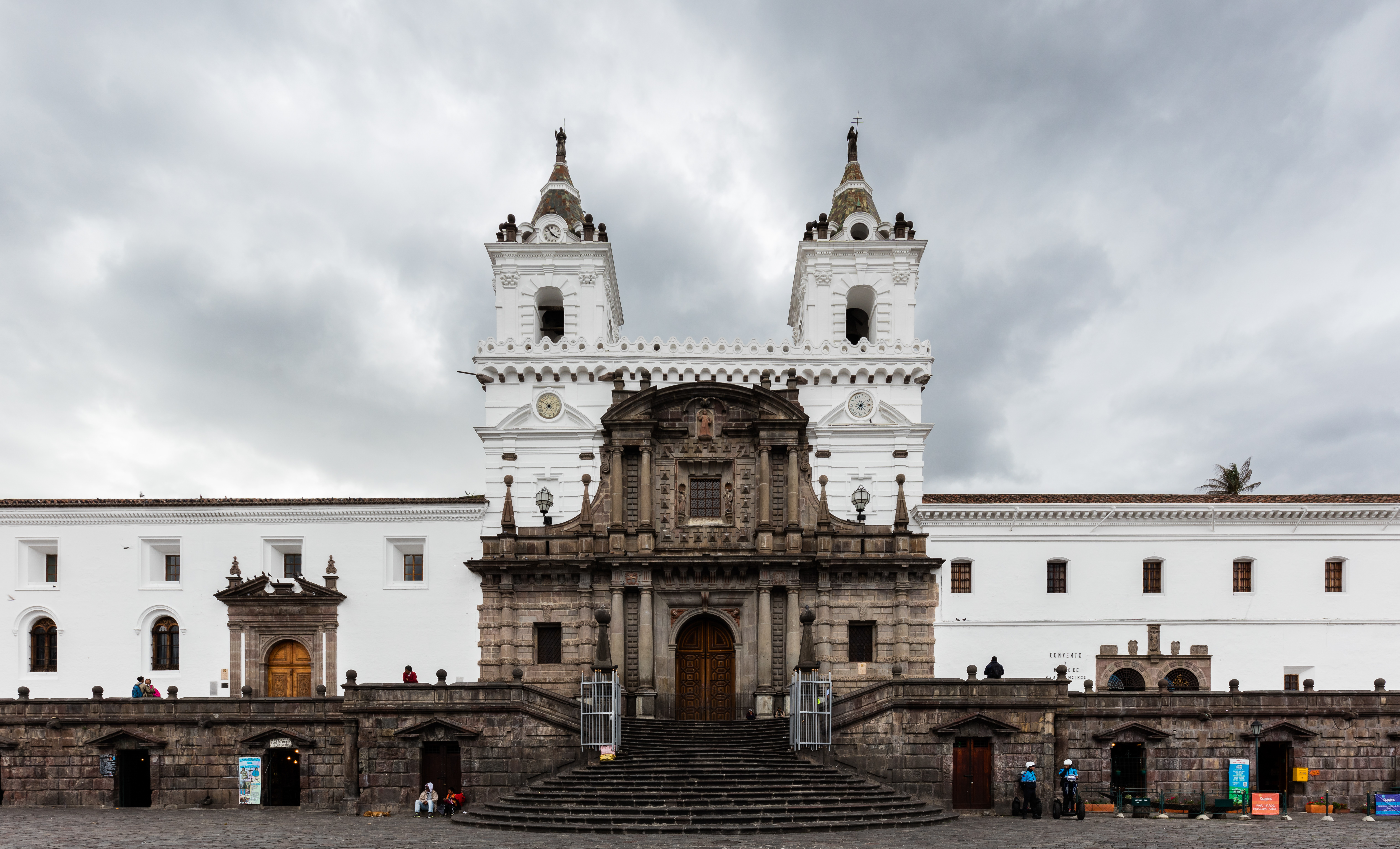
Basilica and Convent of San Francisco, Quito
 Diego Delso · Wikimedia Commons · CC BY-SA 4.0
Some booking links are affiliate links. If you book through them, we may earn a small commission at no extra cost to you. We never let this influence which places we recommend.
The Basilica and Convent of San Francisco is a Catholic basilica in the historic center of Quito, facing the Plaza de San Francisco. It is the oldest and most significant religious site in Ecuador and the largest architectural complex in any historic center in South America. The structure is known for its mix of architectural styles developed over more than 150 years of construction. It is part of the UNESCO World Heritage Site 'City of Quito'.
Don't miss
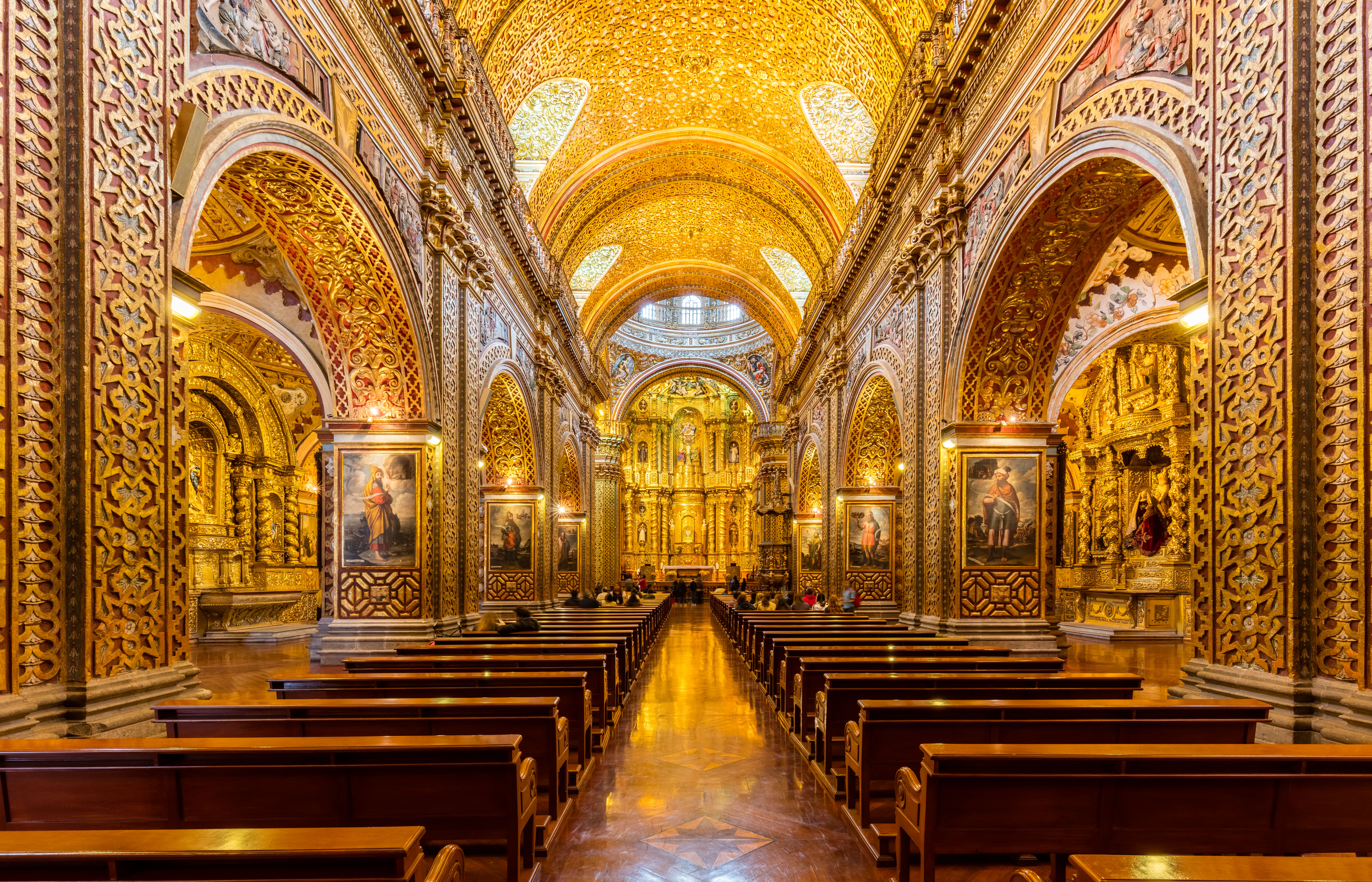
- Over 3,500 works of colonial art inside the church, especially from the Colonial Quito School of Art, which originated here.
- A Franciscan library described in the 17th century as the best in the Viceroyalty of Peru.
- The concave-convex staircase connecting the Plaza de San Francisco to the Atrium, considered of great architectural importance in the Colonial Americas.
- The Mannerist-Baroque facade of the main building.
- A 16th-century Mudéjar artesonado ceiling preserved in the crossing and choir nave.
- Thirteen cloisters built on three and a half hectares, including six of great magnitude.
Tickets & tours
Ways to visit Basilica and Convent of San Francisco, Quito
You can visit Basilica and Convent of San Francisco, Quito on your own. A guide is worth it for the history and detail that is easy to walk past, and a tour can combine it with nearby sights.
 Cheapest way inQuito Old Town Free Walking tour Small group English guide Cacao5★ · 61 travelers2-3 hoursFree cancellationFrom$5 per personSee dates →
 Most bookedGastronomic and Cultural Walking Tour of Quito with Tastings4.9★ · 1,234 travelers~4 hoursFree cancellationFrom$40 per personSee dates →
 Private & flexibleAntisana Condor Sanctuary & Hummingbird Observatory day trip5★ · 27 travelers~7 hoursFree cancellationFrom$128 per personSee dates →
Getting there
Know before you go
- The complex covers about 40,000 square meters of construction, including three temples and a large Atrium.
- The church houses more than 3,500 works of colonial art, with multiple artistic techniques.
- The Franciscan library was noted in the 17th century as the best in the Viceroyalty of Peru.
A bit of history
The site was originally the royal palace of Inca Huayna Cápac, which was destroyed and buried by indigenous general Rumiñahui during the Spanish conquest. Construction of the basilica and convent began around 1537, just three years after the Spanish founded Quito, with a temporary church completed by 1550. The current building was built from 1550 to around 1680, officially inaugurated in 1705. The Franciscans Jodoco Ricke and Pedro Gosseal, cousins of Holy Roman Emperor Charles V, acquired the land, which held historical significance for indigenous peoples. Archaeological studies between 1983 and 1990 found pre-Columbian ceramic pieces under the nave, cloisters, orchard, atrium, and square.
Common questions
What is the significance of the Plaza de San Francisco?
The plaza supplied the city with water from its central fountain for years and has served as a popular market, a space for military and political gatherings, and a meeting place.
What architectural styles are present in the basilica?
The basilica mixes different styles from over 150 years of construction, including Mannerist-Baroque and Mudéjar elements.
What happened to the original Inca palace on this site?
The Inca palace of Huayna Cápac was destroyed and buried under rubble by indigenous general Rumiñahui during the Spanish conquest.
More attractions in Quito