Museum
National Museum
 George John Edkins (1921-2001) · Wikimedia Commons · CC BY-SA 4.0
Einige Buchungslinks sind Affiliate-Links. Wenn du darüber buchst, erhalten wir möglicherweise eine kleine Provision ohne zusätzliche Kosten für dich. Das beeinflusst nie unsere Empfehlungen.
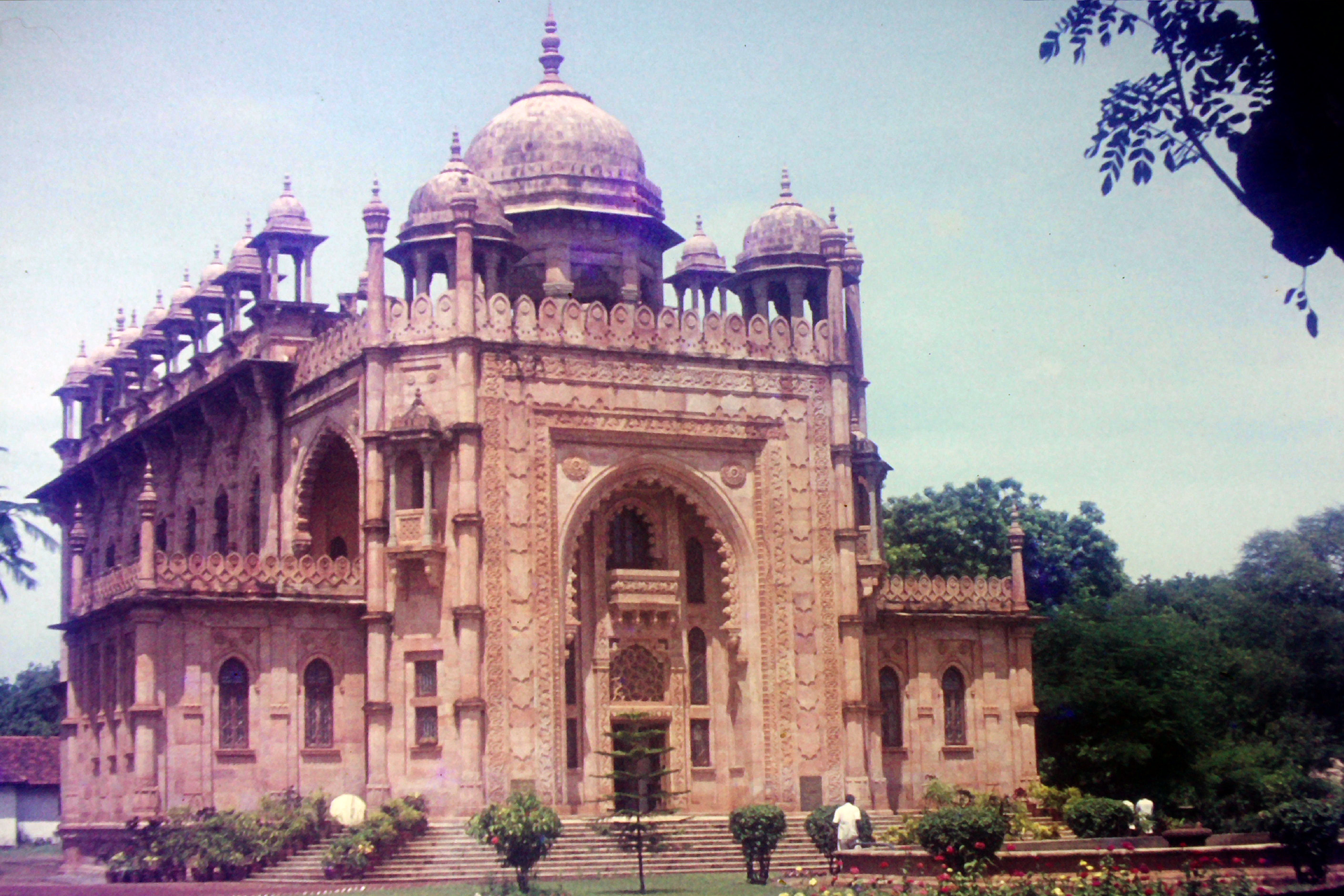
The National Museum complex in Manila is a premier cultural institution that houses the country's most significant collections of art, anthropology, archaeology, and natural history. Located along Padre Burgos Avenue in Ermita, the museum is composed of several buildings, including the National Museum of Fine Arts, the National Museum of Anthropology, and the National Museum of Natural History. Visitors can view iconic works such as Juan Luna's 'Spoliarium' in the Fine Arts building, while the Anthropology section features artifacts from pre-colonial civilizations, including the famous 'Manunggul Jar.' The Natural History building showcases the Philippines' unique biodiversity, with a stunning 'Tree of Life' elevator at its center. The experience is both educational and immersive, offering a deep dive into the country's identity. The neoclassical architecture of the buildings themselves adds to the grandeur, making it a must-visit for history and art enthusiasts.
Nicht verpassen
- View Juan Luna's 'Spoliarium' in the National Museum of Fine Arts
- See the 'Manunggul Jar' and other pre-colonial artifacts in the Anthropology section
- Explore the 'Tree of Life' architectural centerpiece in the Natural History building
- Admire the neoclassical architecture of the museum buildings
- Visit the interactive exhibits on Philippine biodiversity and geology
Tickets & Touren
Möglichkeiten, National Museum zu besuchen
Sie brauchen keine Tour, der Eintritt ist kostenlos. Eine Tour lohnt sich, wenn Sie Transport, einen Guide oder die Kombination von National Museum mit nahegelegenen Sehenswürdigkeiten an einem Tag wünschen. Das machen diese Angebote gut.
Gut für
Wie Reisende es bewerten
Anreise
Wissenswertes vor dem Besuch
- The museum is closed on Mondays and public holidays. Check the official schedule before your visit.
- Photography is allowed in most areas, but flash and tripods may be prohibited. Check signage.
- Large bags must be checked at the entrance. Bring only essentials.
- Stay hydrated, there are water fountains and a café on-site.
Ein Stück Geschichte
The National Museum was established in 1901 as the Museum of the Philippine People. Its current buildings were originally constructed in the early 20th century, with the Fine Arts building formerly serving as the Congress of the Philippines. Over the decades, the museum has grown to become the nation's primary repository of cultural and natural heritage.
Häufige Fragen
Is the National Museum free to enter?
Admission is free on certain days (e.g., Sundays for Filipino residents) and for specific groups. Otherwise, there is a small fee. Check the official website for the latest.
How long does it take to visit all three buildings?
Plan for at least 2-3 hours to see the main exhibits in each building. If you want to go through everything in detail, allow a full day.
Can I take photos inside the museum?
Yes, non-flash photography is generally allowed. Tripods and selfie sticks are not permitted in some galleries.
Is the museum suitable for children?
Yes, especially the Natural History building with interactive displays. However, younger children may tire quickly due to the size.
Are guided tours available?
Yes, the museum offers guided tours for groups. You can also rent an audio guide or join a scheduled tour.
What is the best way to get to the museum?
The LRT-1 to United Nations station is convenient. From there, it's a 10-minute walk. Taxis and ride-hailing apps are also easy options.
Weitere Attraktionen in Manila