Landmark
Place des Martyrs
Einige Buchungslinks sind Affiliate-Links. Wenn du darüber buchst, erhalten wir möglicherweise eine kleine Provision ohne zusätzliche Kosten für dich. Das beeinflusst nie unsere Empfehlungen.
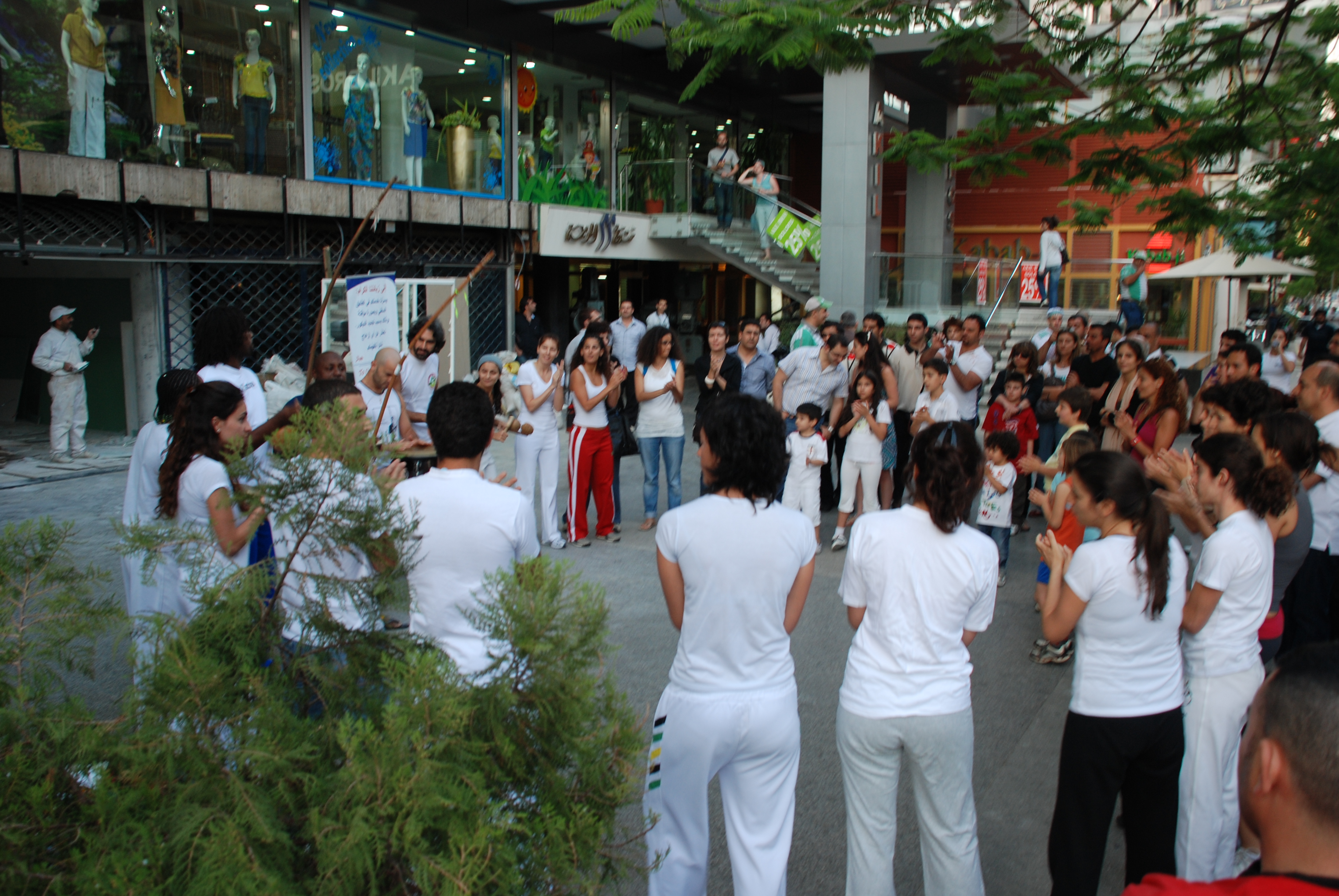
Place des Martyrs, also known as Martyrs' Square, is a central landmark in Beirut that has witnessed the city's tumultuous history. Located in the heart of downtown, this large open square is surrounded by a mix of restored Ottoman-era buildings, modern structures, and ruins from the Lebanese Civil War. The square is dominated by the Martyrs' Monument, a striking sculpture depicting two women holding a torch, symbolizing the nation's struggle for freedom. Visitors will find the square to be a poignant blend of memory and daily life, with locals strolling, street vendors selling snacks, and occasional political rallies or cultural events. What makes it distinctive is its role as a focal point for public gatherings, from protests to celebrations, reflecting the spirit of the Lebanese people. The surrounding area includes the Mohammad Al-Amin Mosque, the Saint George Maronite Cathedral, and the Beirut Souks, making it a natural starting point for exploring the city. The square's name honors the nationalists executed by the Ottoman Empire in 1916, and the bullet-riddled buildings nearby serve as stark reminders of more recent conflicts.
Nicht verpassen
- View the Martyrs' Monument, a bronze sculpture by Italian artist Renato Marino Mazzacurati.
- Explore the nearby ruins of the old city, including the Roman Baths and the Grand Serail.
- Visit the Mohammad Al-Amin Mosque, a stunning blue-domed structure opened in 2008.
- Walk through the Beirut Souks, a modern shopping district with traditional influences.
Tickets & Touren
Möglichkeiten, Place des Martyrs zu besuchen
Sie brauchen keine Tour, der Eintritt ist kostenlos. Eine Tour lohnt sich, wenn Sie Transport, einen Guide oder die Kombination von Place des Martyrs mit nahegelegenen Sehenswürdigkeiten an einem Tag wünschen. Das machen diese Angebote gut.
Gut für
Wie Reisende es bewerten
Anreise
Wissenswertes vor dem Besuch
- The square can be crowded during political events or holidays; check local news for any planned demonstrations.
- Photography is allowed, but be respectful when capturing the monument and nearby religious sites.
- Bring water, as there is limited shade in the square.
- Wear comfortable shoes, as the surrounding area has many cobblestone streets.
Ein Stück Geschichte
Originally called the Burj Square, it was renamed Place des Martyrs in 1916 after the execution of 21 Lebanese nationalists by Ottoman authorities. During the Lebanese Civil War, the square was on the front line and heavily damaged; it was later restored as part of the city's reconstruction.
Häufige Fragen
Why is it called Place des Martyrs?
It commemorates 21 Lebanese nationalists executed by the Ottoman Empire in 1916 for advocating independence.
Is the square safe to visit?
Yes, it is generally safe during the day and evening, but like any urban area, be aware of your surroundings.
Are there guided tours available?
Yes, many walking tours of downtown Beirut include the square. You can also explore independently.
What events are held here?
The square hosts political rallies, concerts, festivals, and holiday celebrations, including Independence Day events.
Can I see the bullet holes on buildings?
Yes, some surrounding buildings still bear scars from the civil war, intentionally preserved as a reminder.
Is there parking nearby?
Limited street parking is available, but it's easier to take a taxi or use public transport.
Weitere Attraktionen in Beirut