Sight
Nagoya City Subway
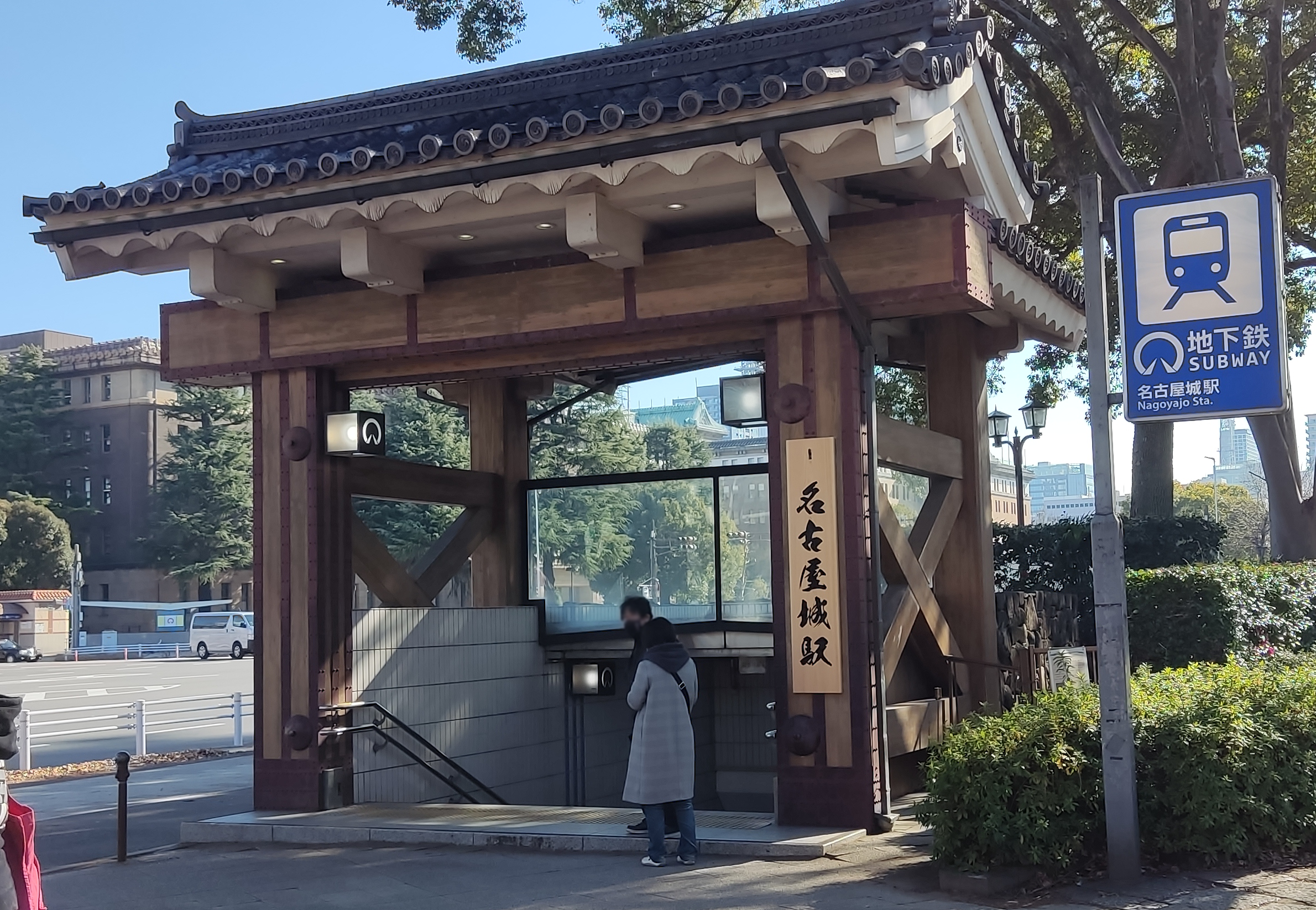 Indpcatll · Wikimedia Commons · CC BY 4.0
Einige Buchungslinks sind Affiliate-Links. Wenn du darüber buchst, erhalten wir möglicherweise eine kleine Provision ohne zusätzliche Kosten für dich. Das beeinflusst nie unsere Empfehlungen.
The Nagoya City Subway is a rapid transit network that forms the backbone of public transportation in Nagoya, Japan. With six lines covering over 90 kilometers, it connects major hubs like Nagoya Station, Sakae, and the Nagoya Dome. Trains are known for their punctuality, cleanliness, and user-friendly signage in both Japanese and English. The subway offers a convenient way to explore the city's attractions, from the historic Nagoya Castle to the bustling Osu shopping district. Each station features unique artwork or architecture, making the journey itself part of the experience. The system integrates seamlessly with the Meitetsu and JR lines, allowing easy transfers for longer trips.
Nicht verpassen
- Ride the Meijo Line loop for panoramic city views from elevated sections
- Admire the artistic tile mosaics at Sakae Station
- Use the subway to reach Nagoya Castle (Shiyakusho Station)
- Experience the quiet 'women-only' cars during morning rush hour
- Transfer to the Linimo maglev line at Fujigaoka Station
Tickets & Touren
Möglichkeiten, Nagoya City Subway zu besuchen
Du kannst alleine besuchen (Purchase single-ride tickets from vending machines (cash only) or use an IC card like Manaca, which can be bought and recharged at stations. Day passes are available for unlimited rides). Eine Tour bietet Transport und einen Guide oder kombiniert nahegelegene Sehenswürdigkeiten an einem Tag.
Gut für
Wie Reisende es bewerten
Anreise
Wissenswertes vor dem Besuch
- Trains run from about 5:30 AM to midnight. Last trains vary by line, check schedules to avoid being stranded.
- Buy a Manaca IC card for easy tap-and-go travel; it also works on buses and some taxis.
- Free Wi-Fi is available at most stations, but not inside trains. Download offline maps beforehand.
- Restrooms are located inside station concourses, usually near ticket gates. Some are Western-style, others squat toilets.
Ein Stück Geschichte
Opened in 1957 as Japan's first municipal subway, the Nagoya City Subway has expanded steadily. The Higashiyama Line, the oldest, was built to support post-war reconstruction and remains a vital east-west artery.
Häufige Fragen
Is the Nagoya Subway easy to navigate for non-Japanese speakers?
Yes, signs are bilingual (Japanese and English), and station numbers are clearly marked. The system is straightforward with color-coded lines.
Can I use a Suica or Pasmo card from Tokyo?
Yes, Suica and Pasmo are compatible with Manaca readers for travel within Nagoya, but you cannot recharge them here.
Are there luggage storage lockers at subway stations?
Some major stations like Nagoya and Sakae have coin lockers, but they are limited. Consider using luggage delivery services.
What is the etiquette for using the subway?
Keep your phone on silent mode, avoid eating or drinking, and give up priority seats to elderly, disabled, or pregnant passengers.
How much does a single ride cost?
Fares start at 200 yen for short distances and increase based on zone. A typical ride within central Nagoya costs 200-300 yen.
Is the subway wheelchair accessible?
Most stations have elevators and wheelchair-accessible gates. However, some older stations may require assistance, check the official accessibility map.
Weitere Attraktionen in Nagoya