Landmark
Tabiat Bridge
 Diba Tensile Architecture · Wikimedia Commons · CC BY-SA 4.0
Einige Buchungslinks sind Affiliate-Links. Wenn du darüber buchst, erhalten wir möglicherweise eine kleine Provision ohne zusätzliche Kosten für dich. Das beeinflusst nie unsere Empfehlungen.
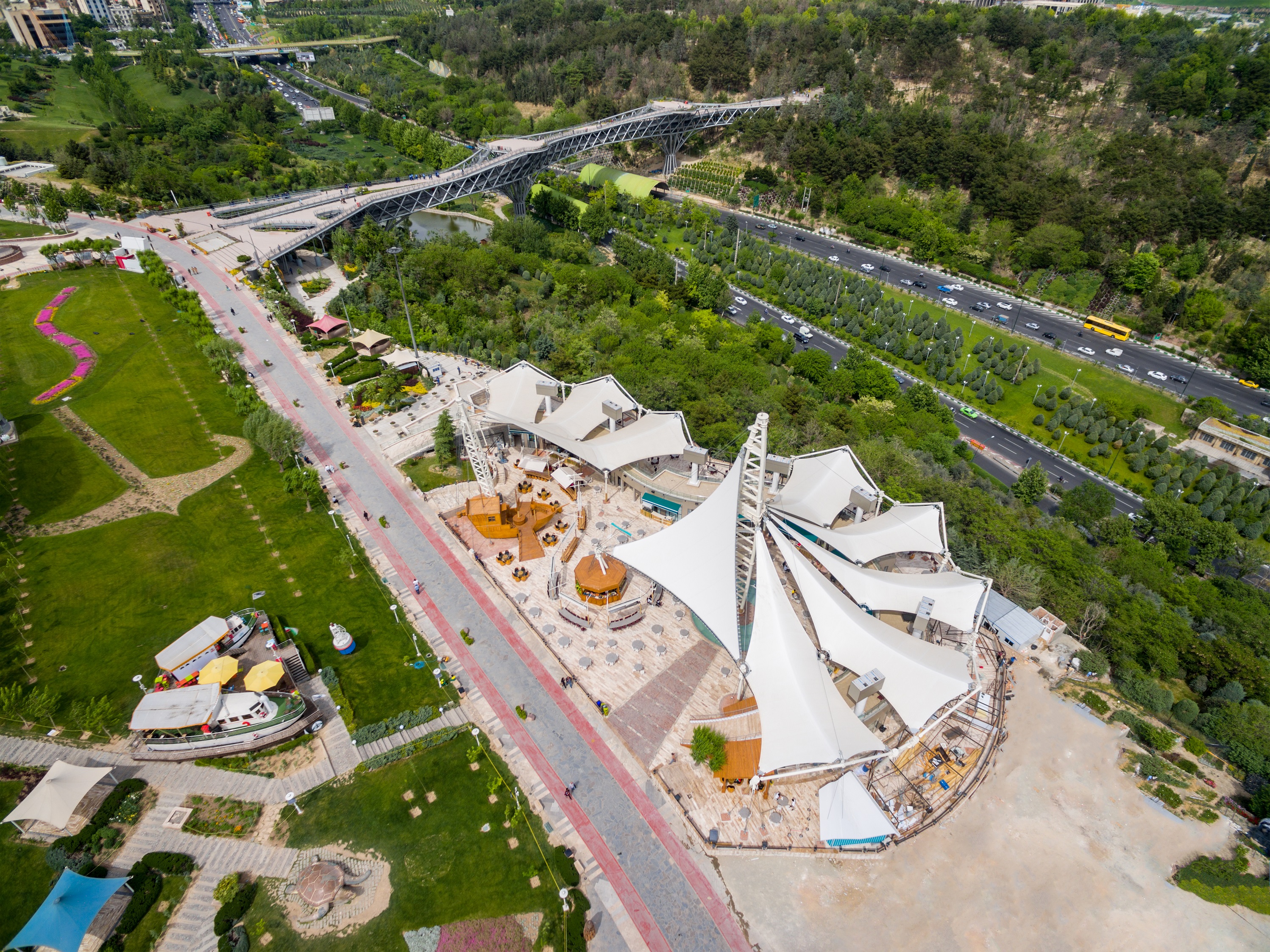
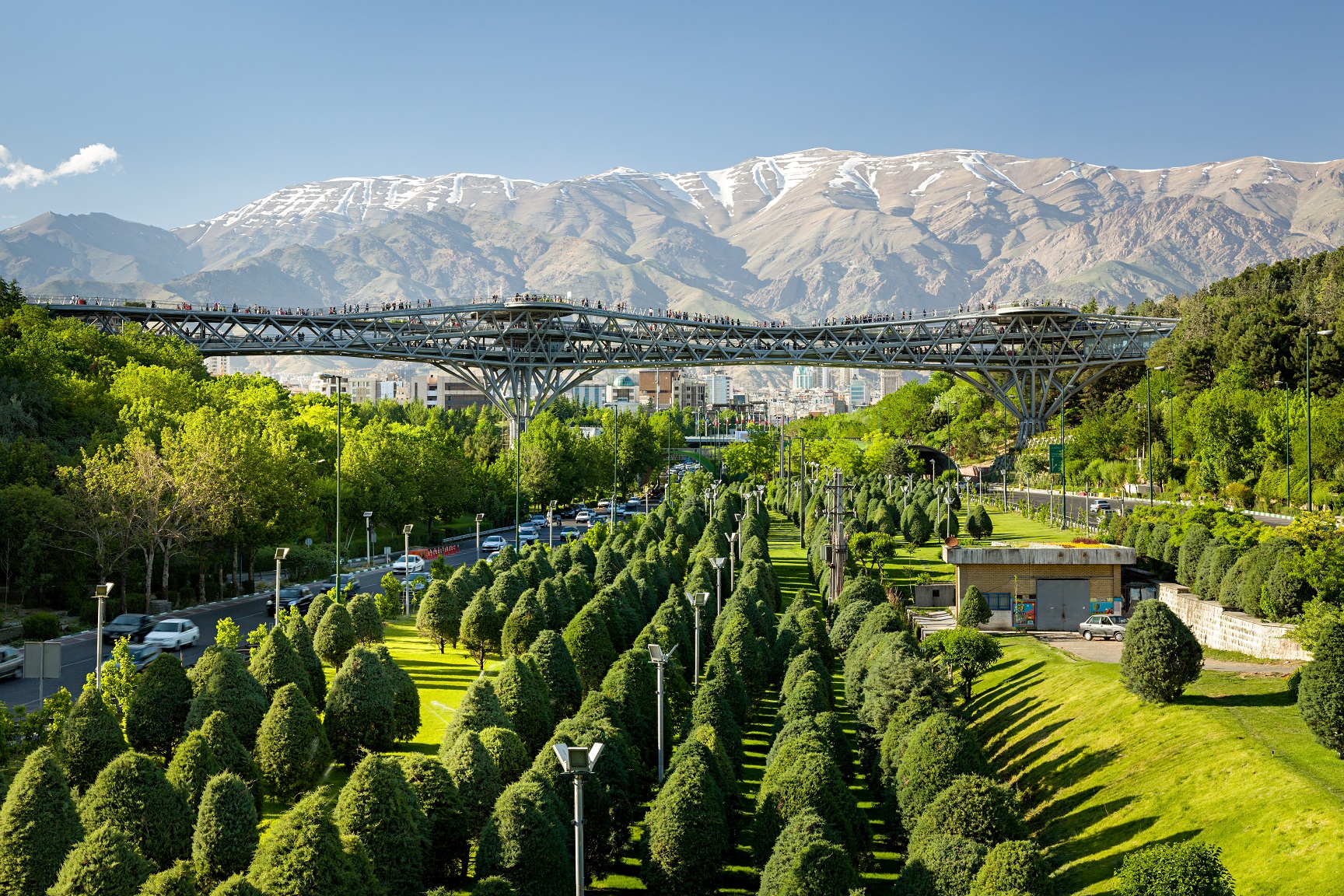
Tabiat Bridge, meaning 'Nature Bridge', is a modern architectural marvel that spans a major highway in northern Tehran, connecting two public parks: Taleghani Park and Abo-Atash Park. Designed by the Iranian architect Leila Araghian, the bridge won international acclaim for its innovative, organic form that resembles a twisting tree branch. Completed in 2014, it is the largest pedestrian bridge in the Middle East, measuring 270 meters in length. The bridge is not merely a crossing but a destination in itself, with multiple levels, seating areas, cafes, and greenery integrated into its structure. Visitors can stroll along its winding paths, enjoy panoramic views of the Alborz Mountains and the city skyline, or relax on wooden benches. At night, the bridge is beautifully illuminated, creating a romantic atmosphere. It has become a beloved gathering spot for Tehranis, especially during weekends and holidays.
Nicht verpassen
- Walk the entire length for sweeping views of Tehran and the mountains
- Visit at sunset for spectacular golden-hour light and city lights
- Relax in one of the integrated seating areas or cafes
- Photograph the bridge's unique, flowing architecture from below
- Explore the adjacent parks, Taleghani and Abo-Atash
Tickets & Touren
Möglichkeiten, Tabiat Bridge zu besuchen
Sie brauchen keine Tour, der Eintritt ist kostenlos. Eine Tour lohnt sich, wenn Sie Transport, einen Guide oder die Kombination von Tabiat Bridge mit nahegelegenen Sehenswürdigkeiten an einem Tag wünschen. Das machen diese Angebote gut.
Gut für
Wie Reisende es bewerten
Anreise
Wissenswertes vor dem Besuch
- Wear comfortable shoes as the bridge has multiple levels and stairs.
- Sunset is the most popular time; arrive early for a good spot.
- Bring a camera for stunning cityscape photos.
- There are cafes on the bridge for refreshments.
Ein Stück Geschichte
Tabiat Bridge was designed by Leila Araghian, a young Iranian architect, and won an international competition in 2010. It opened to the public in 2014 as part of a larger effort to improve urban green spaces in Tehran. The bridge's name reflects its purpose of reconnecting people with nature in a bustling metropolis.
Häufige Fragen
Is Tabiat Bridge open 24 hours?
The bridge is open 24/7, but it's best visited during daylight or early evening for safety and views.
Can I cycle or skate on the bridge?
No, cycling and skating are not allowed to ensure pedestrian safety.
Are there restrooms on the bridge?
Yes, public restrooms are available near the entrances.
Is the bridge crowded on weekends?
Yes, it can get very busy, especially on Friday (the weekend in Iran) and holidays.
Can I bring food or have a picnic?
Picnicking is allowed in the adjacent parks, but not on the bridge itself.
Is there parking nearby?
Limited street parking is available, but it's easier to use public transport or taxis.
Weitere Attraktionen in Tehran