Historic site
Zhao Mausoleum (Qing dynasty)
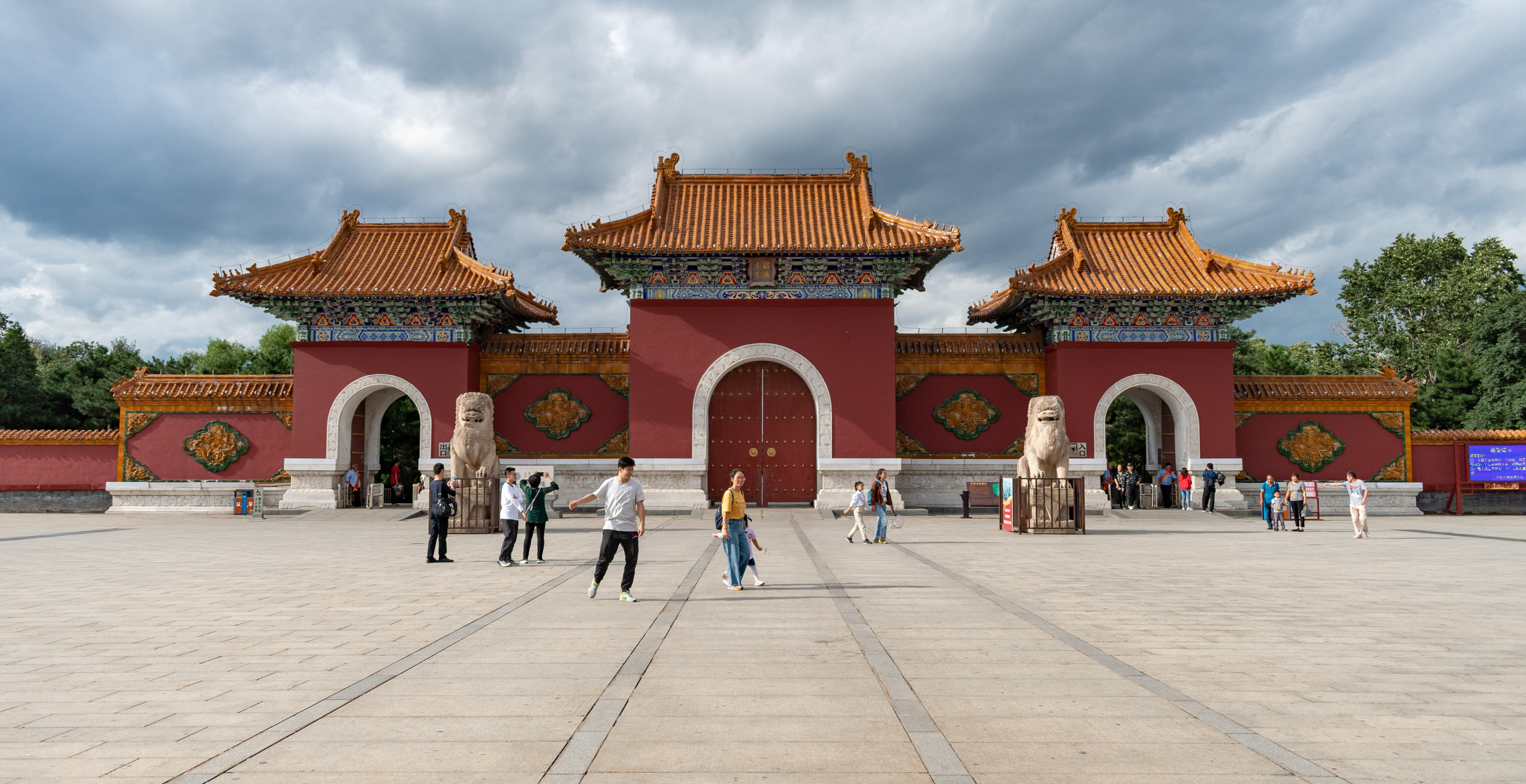 xiquinhosilva · Wikimedia Commons · CC BY 2.0
Some booking links are affiliate links. If you book through them, we may earn a small commission at no extra cost to you. We never let this influence which places we recommend.
Zhao Mausoleum, also called Beiling, is the tomb of Hong Taiji, the first Qing emperor, and his empress. It sits within Beiling Park in northern Shenyang, covering 330 hectares with historic buildings, pine trees, and lakes. The tomb complex took eight years to build, from 1643 to 1651, and features a 1.2 km sacred way lined with stone animals leading to the inner tomb.
Don't miss
- The sacred way, a 1.2 km path with three lanes: the center for deities, left for the emperor, right for officials.
- A statue of Hong Taiji in military dress halfway along the sacred way.
- Four pairs of stone animals along the route: xiezhi (mythical beasts of justice), qilin (peace and kindness), white horses, and camels.
- A stele mounted on a stone turtle, inscribed with the emperor's deeds.
- The main temple complex, a walled area with high walls, corner towers, and an altar building where worship rites were held.
- The sealed underground tomb, containing Hong Taiji, his consorts, and priceless offerings.
Getting there
Know before you go
- Three stations of Shenyang Metro Line 2 serve the area: Beiling Gongyuan Station, Lingxi Station, and Xinle Yizhi Station.
- The park includes flower gardens west of the tomb, several lakes to the east, and a Children's Garden.
A bit of history
The area around the tomb was originally forbidden to ordinary people. It opened to the public in 1928 and now forms Beiling Park. The park was established in 1927 by the Fengtian Province government.
Common questions
How long did it take to build Zhao Mausoleum?
Construction took eight years, from 1643 to 1651.
Can you enter the underground tomb?
No, the underground tomb remains sealed and its contents are hidden from view.
What is the significance of the stone animals along the sacred way?
They include xiezhi (representing justice), qilin (peace and kindness), white horses, and camels, serving as guardians.
More attractions in Shenyang