Museum
Shenyang Imperial Palace (Gu Gong)
Some booking links are affiliate links. If you book through them, we may earn a small commission at no extra cost to you. We never let this influence which places we recommend.
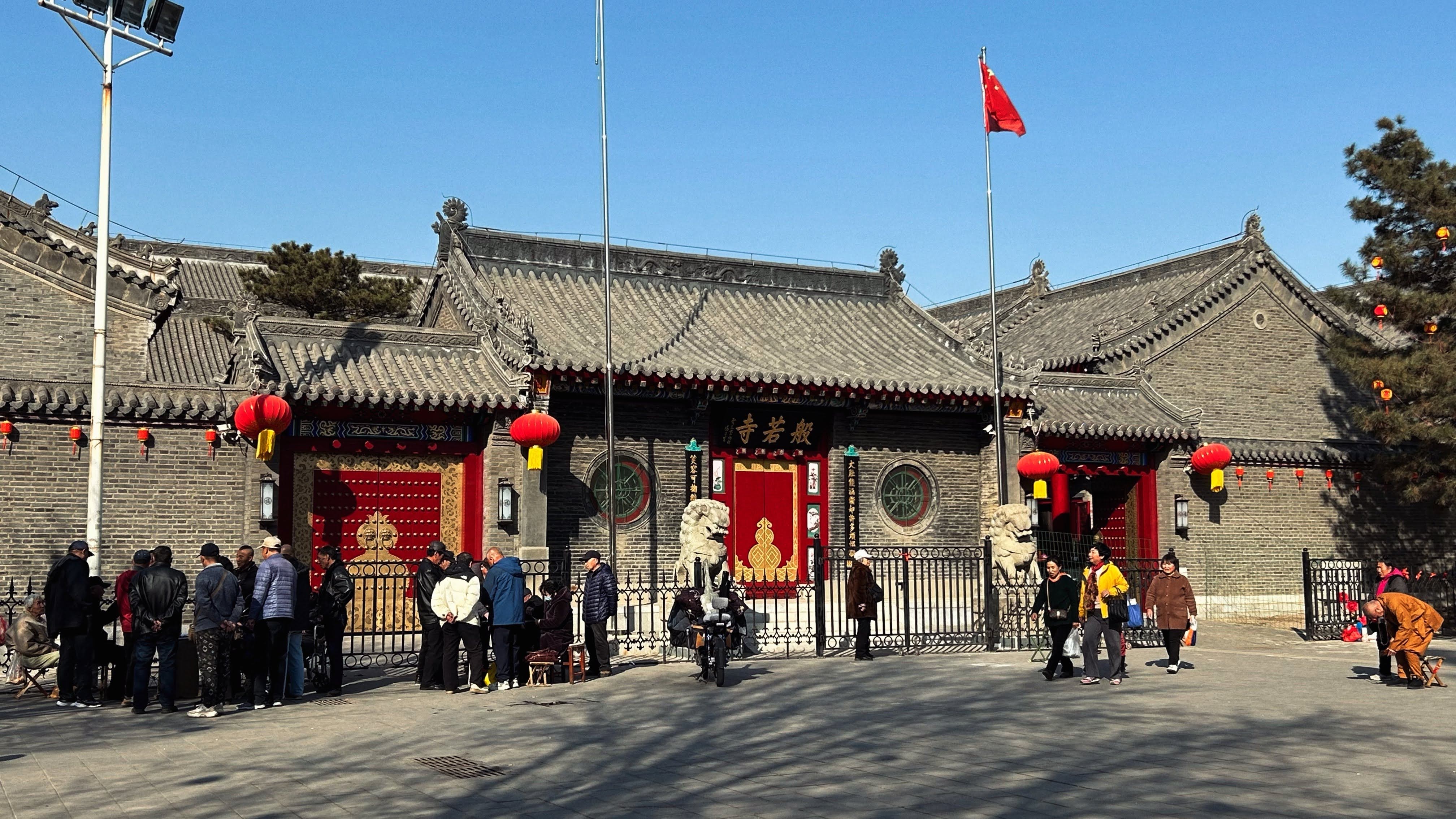
The Shenyang Imperial Palace, also known as the Mukden Palace, is a sprawling complex that served as the early seat of the Qing dynasty before the emperors relocated to Beijing. Built in 1625 under Nurhaci and expanded by his son Hong Taiji, it blends Manchu, Tibetan, and Han Chinese architectural styles. Visitors can wander through courtyards, throne halls, and living quarters adorned with intricate carvings, colorful murals, and period furnishings. The palace museum houses a rich collection of imperial treasures, including jade, porcelain, and calligraphy. Unlike the Forbidden City, this site offers a more intimate glimpse into early Qing court life, with fewer crowds and a palpable sense of history. The Dazheng Hall, with its octagonal shape and double-eaved roof, is a highlight, as is the Phoenix Tower, which offers panoramic views over the old city. The palace grounds are well-maintained, with informative plaques in Chinese and English. It's a must-visit for history buffs and anyone interested in China's imperial past.
Don't miss
- Dazheng Hall: The main ceremonial hall with its distinctive octagonal shape and golden throne.
- Phoenix Tower: Climb for sweeping views of the palace and Shenyang's skyline.
- Chongzheng Hall: The emperor's audience hall with intricate dragon carvings.
- Imperial Garden: A serene space with ancient trees and rockeries.
- Museum Exhibits: See imperial robes, weapons, and jade artifacts.
Good for
How travelers rate it
Know before you go
- Allow at least 2 hours to explore; the site is larger than it appears.
- Photography is allowed, but flash is prohibited in exhibition halls.
- Audio guides are available in multiple languages; consider renting one for deeper context.
- Wear comfortable walking shoes as you'll be on your feet for hours.
A bit of history
Construction began in 1625 under the Manchu leader Nurhaci, and the palace served as the imperial residence until the Qing capital moved to Beijing in 1644. It was later expanded by his son Hong Taiji and used by emperors on tours. In 1987, it became a UNESCO World Heritage Site as part of the 'Imperial Palaces of the Ming and Qing Dynasties'.
Common questions
Is the Shenyang Imperial Palace the same as the Forbidden City?
No, it's a separate palace built earlier by the Manchu rulers. It's smaller but historically significant as the first Qing imperial residence.
How do I get there from Shenyang's city center?
Take metro Line 1 to Huaiyuanmen Station (Exit B), then walk east for about 10 minutes. The palace is clearly signposted.
Are there English descriptions?
Yes, most exhibits have English labels, and audio guides are available in English.
Can I buy tickets on the day?
Yes, but during holidays it's best to book online in advance to avoid long queues.
Is the palace wheelchair accessible?
Partially. The main paths are accessible, but some halls have steps. Wheelchairs are available for loan at the entrance.
What else is nearby?
The site is near Zhongjie Pedestrian Street, a shopping area, and the Marshal Zhang's Mansion, another historic attraction.
More attractions in Shenyang