Religious site
St. Stephen's Cathedral, Vienna
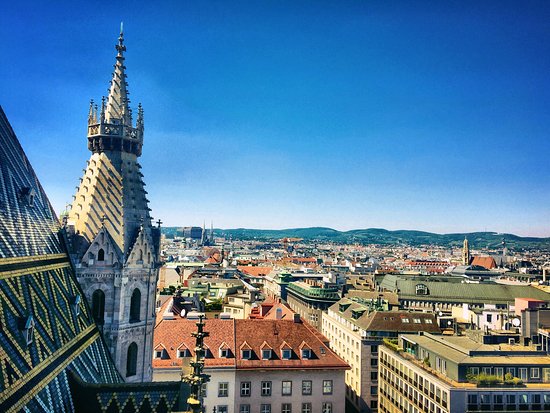 Photo via TripAdvisor (ilonako4aryan)
Some booking links are affiliate links. If you book through them, we may earn a small commission at no extra cost to you. We never let this influence which places we recommend.
St. Stephen's Cathedral is a Roman Catholic church in Vienna, Austria, and the mother church of the Archdiocese of Vienna. It stands on Stephansplatz and is one of the city's most recognizable symbols, known for its multi-coloured tile roof. The current Romanesque and Gothic form was largely initiated by Duke Rudolf IV and stands on the ruins of two earlier churches.
Don't miss
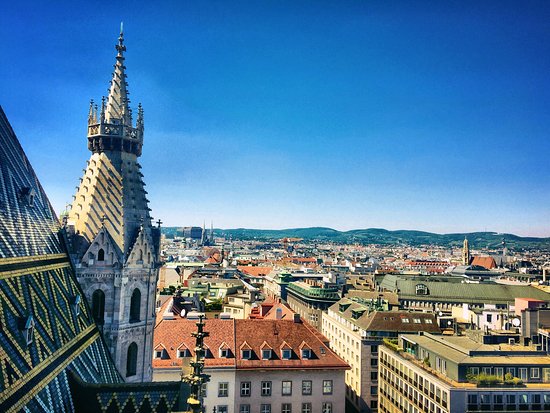
- The south tower, standing 136 meters tall and nicknamed 'Steffl', offers views of the city and once served as a fire watch post until 1955.
- The north tower, halted in 1511, stands at 68 meters with a Renaissance cap nicknamed the 'water tower top'.
- The Giant's Door (Riesentor) is the main entrance, possibly named after a mammoth thighbone unearthed in 1443.
- The roof is covered by 230,000 glazed tiles, forming a double-headed eagle on the south side and coats of arms of Vienna and Austria on the north side.
Tickets & tours
Ways to visit St. Stephen's Cathedral, Vienna
You can visit St. Stephen's Cathedral, Vienna on your own. A guide is worth it for the history and detail that is easy to walk past, and a tour can combine it with nearby sights.
 Cheapest way inVienna: Freud, Mozart & Beethoven Exploration Game4.1★ · 14 travelers1-2 hoursFree cancellationFrom$7 per personSee dates →
 Most bookedVienna Classical Concert at St. Peter’s Church4.7★ · 2,299 travelers~1 hourFree cancellationFrom$45 per personSee dates →
 Top ratedBest of Vienna : Historic Center Walking Tour4.9★ · 1,918 travelers~3 hoursFree cancellationFrom$89 per personSee dates →
Know before you go
- The cathedral is built of limestone and has a black colour from centuries of soot and air pollution, though recent restoration has returned some portions to their original white.
- The roof was destroyed by fire in 1945 and rebuilt with over 600 metric tons of steel bracing instead of wood.
A bit of history
The first parish church on this site was consecrated in 1147. Duke Rudolf IV laid the cornerstone for a Gothic extension in 1359. The south tower was completed in 1433. During World War II, the cathedral was saved from intentional destruction by a Wehrmacht captain who disobeyed orders to shell it. In April 1945, civilian looters set fires that spread to the cathedral, severely damaging the roof. Reconstruction began immediately after the war, with a full reopening in 1952.
Common questions
What is the Pummerin bell?
The Pummerin is the largest bell in Austria, weighing 20,130 kilograms. It hangs in the north tower and is rung on special occasions like Easter, Christmas Eve, and New Year's Day. It was cast in 1951 from the remains of an older bell that shattered in a 1945 fire.
Why is the cathedral black?
Over centuries, soot and air pollution have accumulated on the limestone exterior, giving it a black colour. Recent restoration projects have returned some parts to their original white.
Can you climb the south tower?
The south tower, called 'Steffl', is 136 meters tall and has 256 stairs from top to bottom. It was used as a fire watch post until 1955.
More attractions in Vienna