Religious site
Sensō-ji
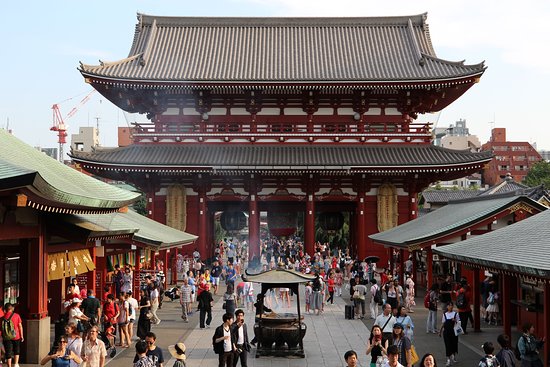 Photo via TripAdvisor (journalsbysandy)
Some booking links are affiliate links. If you book through them, we may earn a small commission at no extra cost to you. We never let this influence which places we recommend.
Sensō-ji, located in Tokyo's Asakusa district, is the city's oldest and most famous Buddhist temple. Dedicated to Kannon, the goddess of mercy, the temple draws millions of visitors annually. The approach is marked by the iconic Kaminarimon (Thunder Gate), which features a giant red lantern and statues of the gods Fujin and Raijin. Beyond the gate lies Nakamise-dori, a lively shopping street stretching about 200 meters, offering traditional snacks, souvenirs, and crafts. The main hall, rebuilt after WWII, houses a golden image of Kannon. To the east stands a five-story pagoda, and nearby is the Asakusa Shrine, a Shinto site. The temple grounds are always bustling, especially during festivals like Sanja Matsuri. Visitors can participate in rituals such as purifying hands at the chozuya, lighting incense, and drawing omikuji (fortune slips). The atmosphere blends spiritual reverence with tourist energy, making it a must-see cultural landmark.
Don't miss
- Kaminarimon Gate with its giant red lantern
- Nakamise-dori shopping street for traditional treats and souvenirs
- Main Hall (Hondo) and the golden Kannon statue
- Five-story pagoda and Asakusa Shrine
- Omikuji fortune-telling and incense burning at the main hall
Tickets & tours
Ways to visit Sensō-ji
You don't need a tour to visit — entry is free. A tour is worth it if you want transport, a guide, or to combine Sensō-ji with nearby sights in one day. That's what these do well.
 Cheapest way inTokyo: Asakusa & Sensoji ー Oldest Temple Walking Tour (2hrs)5★ · 712 travelers~2 hoursFree cancellationFrom$13 per personSee dates →
 Best full dayNikko, Kegon Waterfall & Chuzenji Lake from Tokyo4.8★ · 1,678 travelers~11 hoursFree cancellationFrom$109 per personSee dates →
 Private & flexibleTokyo: Private Asakusa & Senso-ji Temple Tour with 3 food stops4.9★ · 44 travelers~2 hoursFree cancellationFrom$51 per personSee dates →
Know before you go
- The temple grounds are open 24/7, but the main hall and shops have limited hours (typically 6:00 AM–5:00 PM).
- Follow temple etiquette: purify hands at the water pavilion, bow before entering the hall, and do not take photos inside the main hall.
- Bring cash for shopping and offerings; many stalls don't accept cards.
- Rent a kimono in Asakusa for a more immersive experience.
A bit of history
Sensō-ji was founded in 645 AD after two brothers fished a statue of Kannon from the Sumida River. The temple was rebuilt multiple times, most recently after World War II bombings, and remains a symbol of resilience and faith in Tokyo.
Common questions
Is Sensō-ji free to enter?
Yes, the temple grounds and main hall are free. Some special exhibitions may charge a fee.
What is the best time to visit Sensō-ji?
Early morning (before 9 AM) to avoid crowds, or during weekday afternoons. Festivals like Sanja Matsuri (May) are lively but very crowded.
How do I get to Sensō-ji?
Take the Tokyo Metro Ginza Line or Toei Asakusa Line to Asakusa Station. The temple is a short walk from the station.
What should I wear to Sensō-ji?
There is no strict dress code, but modest attire is respectful. Comfortable shoes are recommended as you'll be walking.
Can I take photos inside Sensō-ji?
Photography is allowed in the temple grounds and outside the main hall, but not inside the main hall itself.
What is Nakamise-dori?
It's the shopping street leading to the temple, with over 50 shops selling traditional snacks, souvenirs, and crafts. It's a great place to try local treats like ningyo-yaki.
More attractions in Tokyo