Landmark
Capitoline Hill
 Jean-Pierre Dalbéra from Paris, France · Wikimedia Commons · CC BY 2.0
Some booking links are affiliate links. If you book through them, we may earn a small commission at no extra cost to you. We never let this influence which places we recommend.
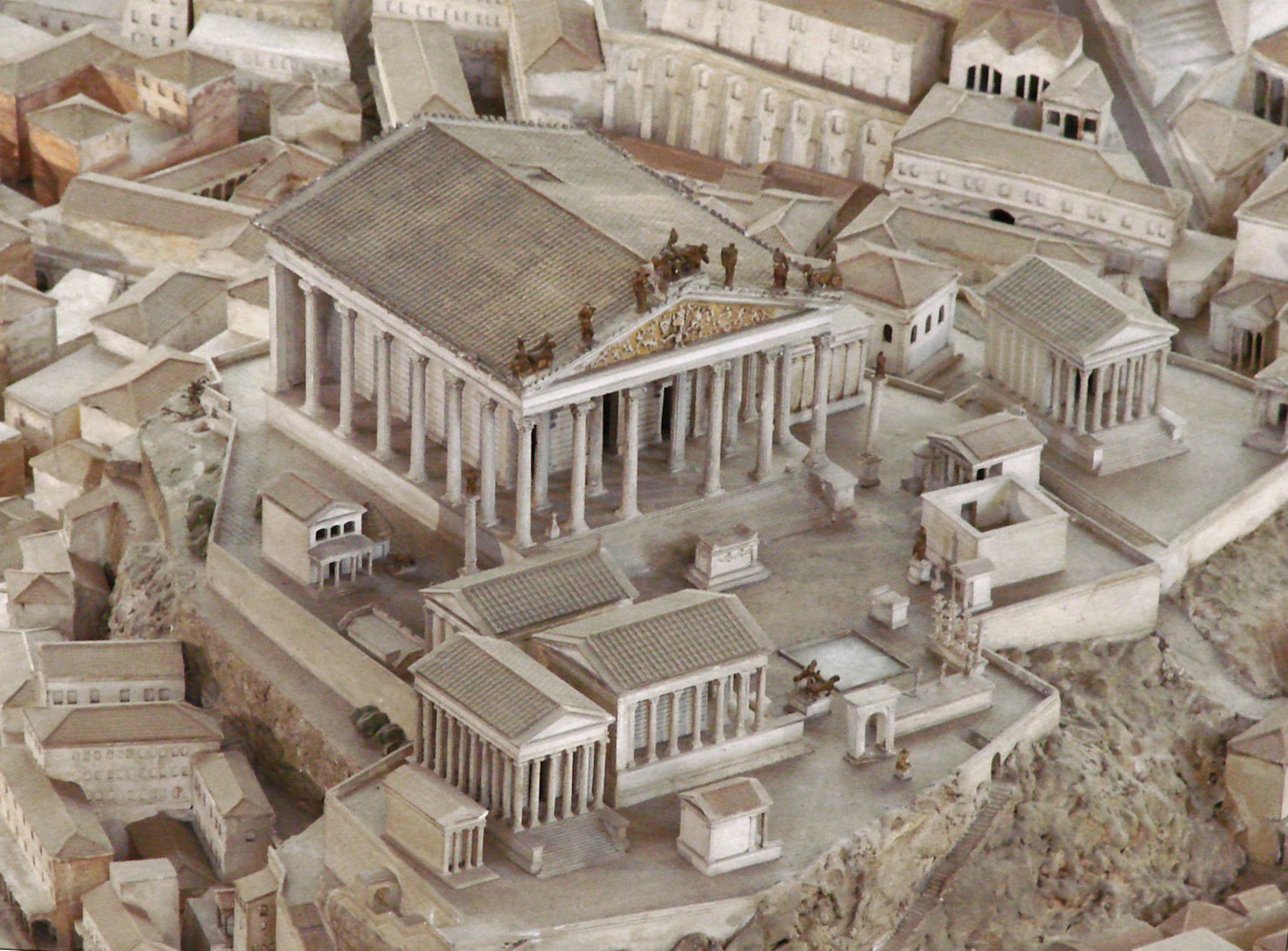
Capitoline Hill, the smallest of Rome's seven hills, is steeped in history and symbolism. In ancient times, it was the religious and political center of the city, housing the Temple of Jupiter Optimus Maximus. Today, it is dominated by the Piazza del Campidoglio, designed by Michelangelo in the 16th century, with its elegant trapezoidal shape, central equestrian statue of Marcus Aurelius, and the surrounding palaces that house the Capitoline Museums. The hill offers stunning views over the Roman Forum and the city. Visitors can climb the grand Cordonata staircase, explore the museums, or simply soak in the atmosphere of this historic square. It remains a focal point of Roman civic life, with the city hall (Palazzo Senatorio) still in use. A visit here connects you to both ancient and Renaissance Rome.
Don't miss
- Michelangelo's Piazza del Campidoglio with its star-shaped paving
- The original equestrian statue of Marcus Aurelius (inside the museum)
- The Cordonata staircase, a gentle ramp leading to the piazza
- Panoramic views of the Roman Forum from behind the Palazzo Senatorio
- The Capitoline Museums, housing ancient art and artifacts
Tickets & tours
Ways to visit Capitoline Hill
You can usually visit on your own. A tour is worth it for transport, a guide, or combining nearby sights into one day.
 Cheapest way inColosseum, Palatine Hill and Roman Forum Guided Group Tour4.8★ · 69 travelers1–3 hoursFrom$23 per personSee dates →
 Most bookedRome: Colosseum, Roman Forum and Palatine Hill Guided Tour4.5★ · 25,046 travelers~3 hoursFrom$39 per personSee dates →
 Top ratedRome Colosseum Guided Tour with Roman Forum & Palatine Hill4.8★ · 726 travelers2–3 hoursFrom$69 per personSee dates →
More attractions in Rome