Landmark
Sanwei College of Shaoxing
Some booking links are affiliate links. If you book through them, we may earn a small commission at no extra cost to you. We never let this influence which places we recommend.
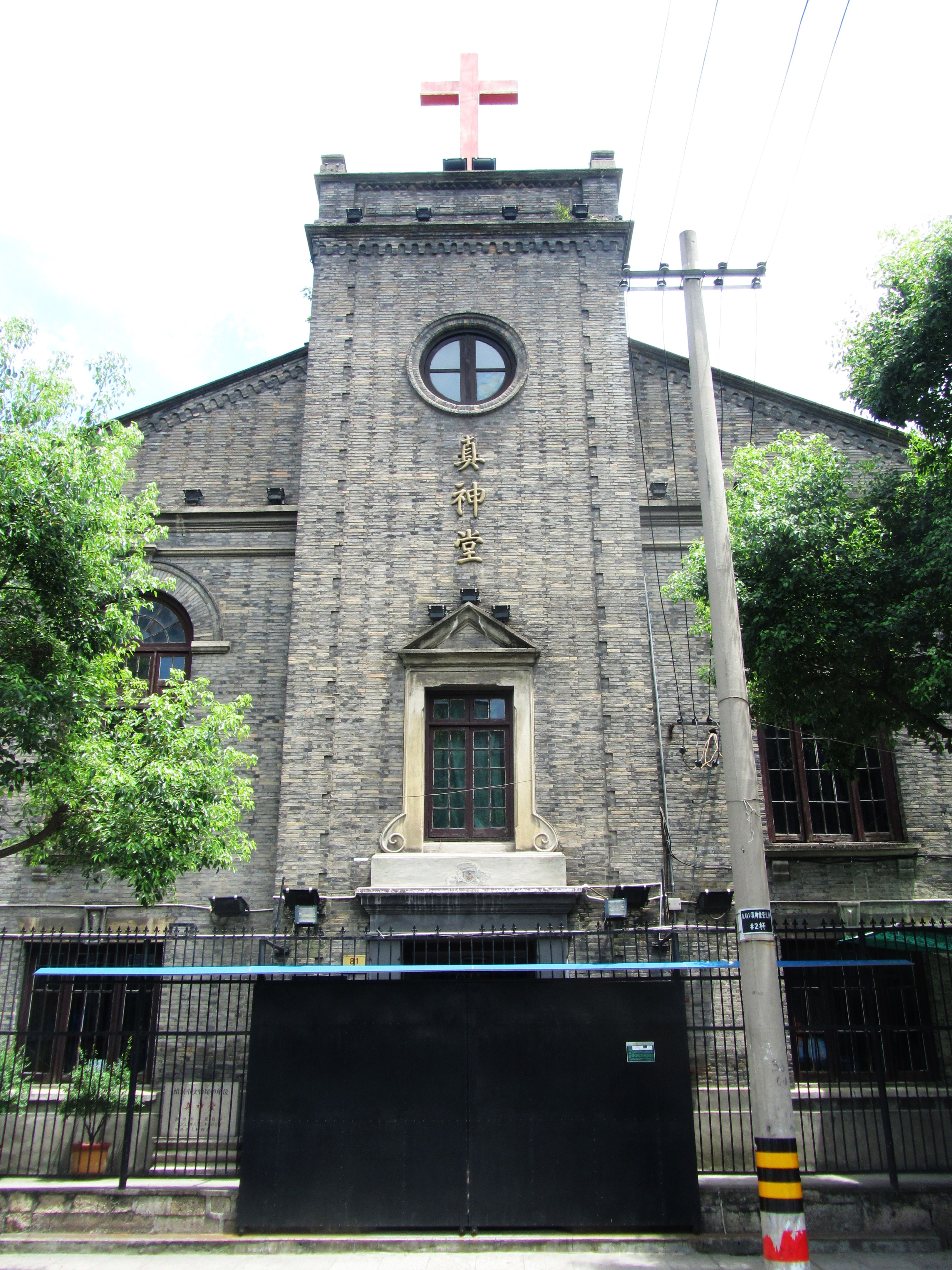
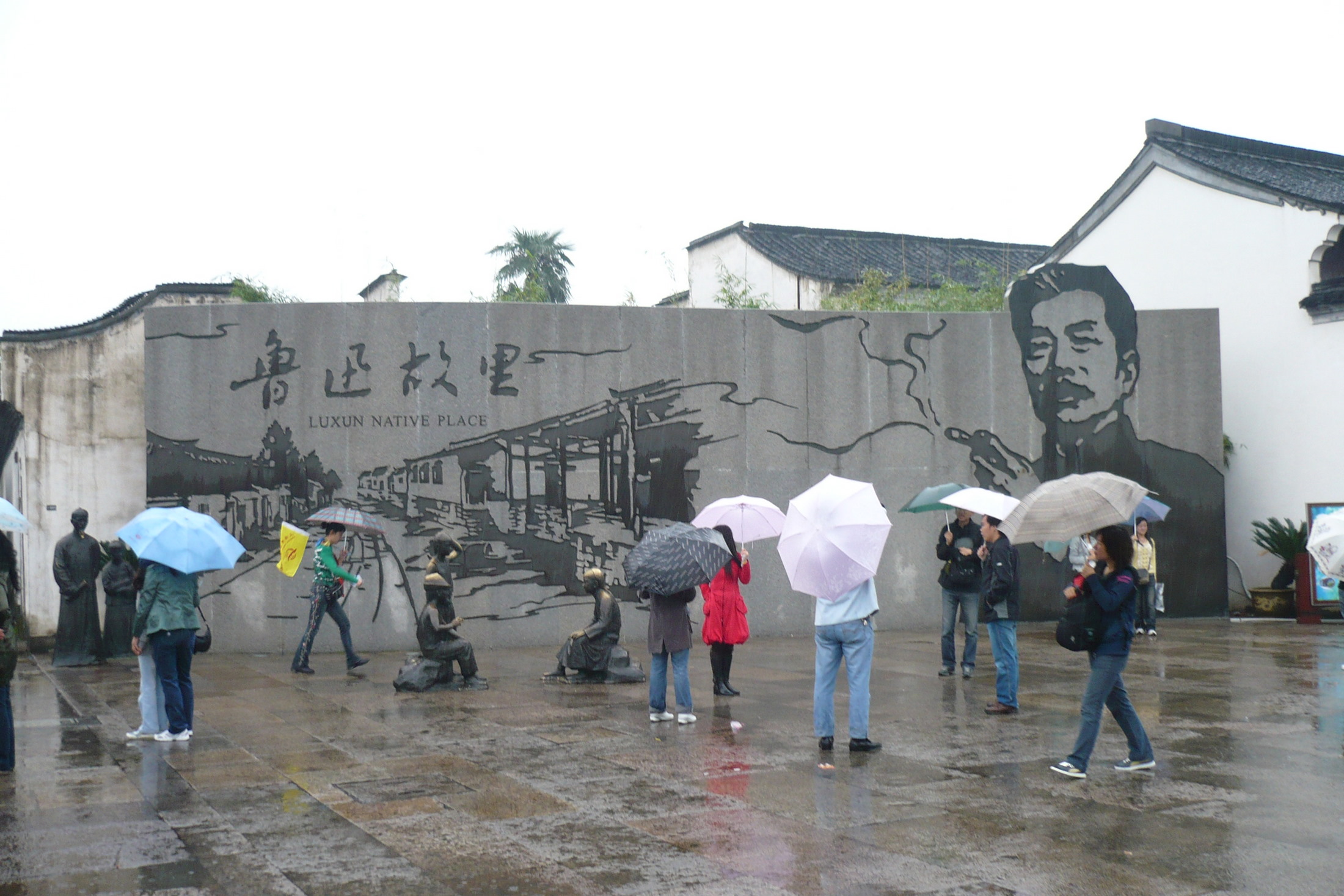
Sanwei College (Sanwei Shuwu) is a well-preserved 19th-century private school located in the Yuecheng District of Shaoxing, Zhejiang Province. The name 'Sanwei' means 'three flavors,' referring to the Confucian classics that students studied. This landmark is best known as the childhood school of Lu Xun, one of China's most influential modern writers, who studied here from age 12 to 17. The compound consists of a main hall, a study room, and a small courtyard with a plum tree that Lu Xun famously described in his essays. Visitors can see the original desks, ink stones, and calligraphy brushes, along with exhibits on the traditional curriculum. The atmosphere is quiet and scholarly, with wooden beams, latticed windows, and a serene garden. What makes it distinctive is its intimate scale and the direct connection to Lu Xun's literary works, which often reference his time here. It offers a glimpse into the rigid yet formative education system of imperial China.
Don't miss
- See Lu Xun's original desk, carved with the character 'zao' (early) as a reminder to arrive on time.
- Explore the small Baicao Garden behind the school, which Lu Xun described as his childhood paradise.
- View the calligraphy and paintings on display, including works by Lu Xun himself.
- Read excerpts from Lu Xun's essays posted throughout the site, linking the space to his stories.
Good for
How travelers rate it
Know before you go
- The museum is usually open from 8:30 AM to 5:00 PM, but hours may vary seasonally.
- Read Lu Xun's essay 'From Baicao Garden to Sanwei Bookhouse' before visiting for deeper appreciation.
- Photography is allowed, but no flash inside the study room.
- Audio guides are available in Chinese and English at the entrance.
A bit of history
Sanwei College was founded in the late Qing Dynasty (circa 1880s) by a local scholar. Lu Xun attended from 1892 to 1897, and his essays 'From Baicao Garden to Sanwei Bookhouse' immortalized the school. It was converted into a museum in the 1950s.
Common questions
Is there an English translation of the exhibits?
Some displays have English captions, but most are in Chinese. An audio guide or guidebook is recommended.
Can I visit Lu Xun's Former Residence on the same day?
Yes, it's a short walk away. A combined ticket saves money and time.
Is the site suitable for children?
Older children interested in history or literature may enjoy it, but younger kids might find it less engaging.
Are there restrooms on site?
Yes, there are public restrooms near the entrance.
Can I buy souvenirs?
A small gift shop sells books, postcards, and calligraphy supplies.
Is the garden open year-round?
Yes, but the plum tree blooms in winter (January–February), which is a special time to visit.
More attractions in Shaoxing