Park & nature
Tijuca National Park
 Halley Pacheco de Oliveira · Wikimedia Commons · CC BY-SA 3.0
Some booking links are affiliate links. If you book through them, we may earn a small commission at no extra cost to you. We never let this influence which places we recommend.
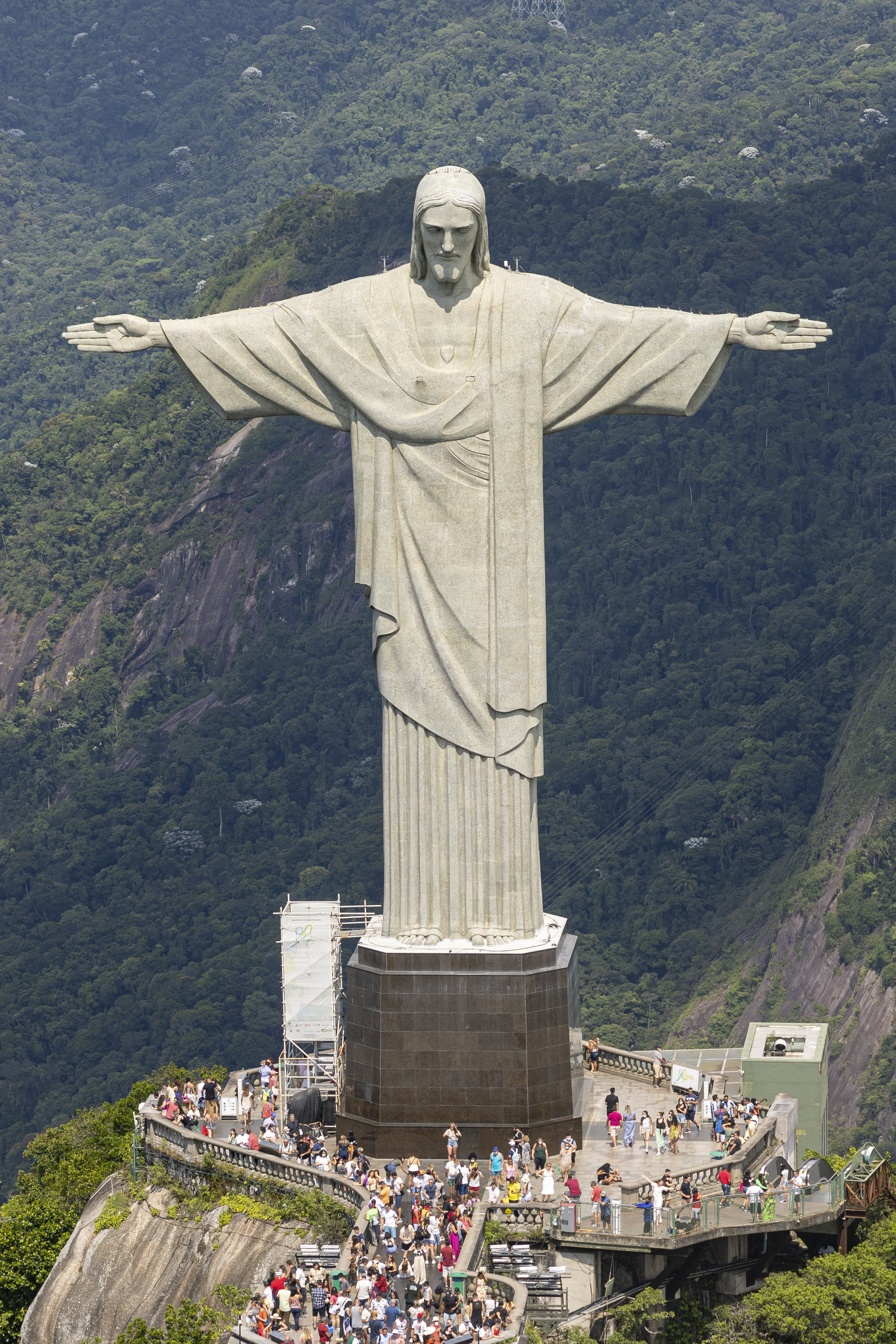
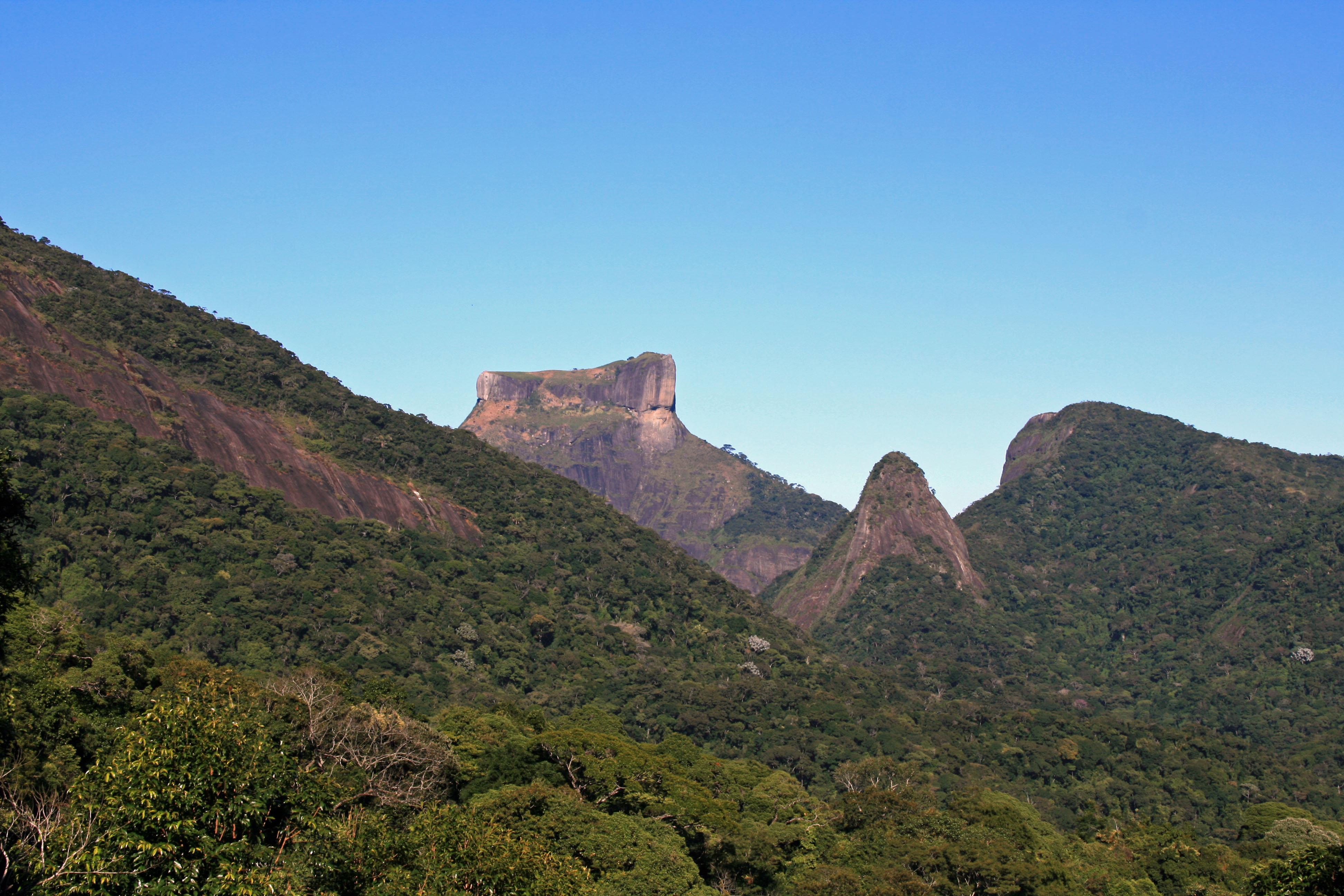
Tijuca National Park is an urban national park in the mountains of Rio de Janeiro, Brazil. It is part of the Atlantic Forest Biosphere Preserve and is claimed to be the world's largest urban forest, covering about 39.58 square kilometers. The park is home to hundreds of species of plants and wildlife, including capuchin monkeys, coatis, and hummingbirds, and contains around 30 waterfalls. Visitors can see the Christ the Redeemer statue, the Cascatinha Waterfall, and the pagoda-style gazebo at Vista Chinesa.
Don't miss
- Christ the Redeemer statue, built between 1922 and 1931
- Mayrink Chapel with murals by Cândido Portinari
- Pagoda-style gazebo at Vista Chinesa
- Giant granite table called Mesa do Imperador (Emperor's Table)
- Hiking trails to destinations like Parrot's Beak (Bico do Papagaio) and Tijuca's Peak (Pico da Tijuca)
Tickets & tours
Ways to visit Tijuca National Park
You don't need a tour to visit, entry is free. A tour is worth it if you want transport, a guide, or to combine Tijuca National Park with nearby sights in one day. That's what these do well.
 Cheapest way inFavela Tour Rio de Janeiro - Vidigal Walking Tour by Russo Guide5★ · 414 travelers~3 hoursFree cancellationFrom$30 per personSee dates →
 Most bookedRio: Tijuca Rainforest Hike, Wildlife, Waterfalls & Caves4.9★ · 1,317 travelers~5 hoursFree cancellationFrom$78 per personSee dates →
 Private & flexibleHang gliding in Rio de Janeiro5★ · 303 travelers~2 hoursFree cancellationFrom$301 per personSee dates →
Getting there
Know before you go
- The park is home to capuchin monkeys, coatis, agoutis, and marmosets,keep a safe distance and do not feed them.
- The vegetation is dense and can lower ambient temperatures by up to 9 °C, so bring a light jacket even on warm days.
- Accidental fires set by humans are a threat; follow all fire safety rules and avoid smoking in the park.
A bit of history
The park's forests were cleared in the 1700s for fuel, coffee, and livestock, causing water shortages in Rio. In 1861, Emperor Pedro II established federal control and began reforestation. Six enslaved people,Eleutério, Constantino, Manuel, Mateus, Leopoldo, and Maria,planted over 100,000 trees from 1861 to 1887, prioritizing native hardwoods. The forest was declared a national park in 1961, and in 2012 UNESCO designated the surrounding landscapes a World Heritage Site.
Common questions
Is Tijuca National Park really the world's largest urban forest?
The park claims to be the world's largest urban forest at 39.58 square kilometers, but this title is disputed with Johannesburg, South Africa.
What does the name 'Tijuca' mean?
The word comes from the Tupi language and means 'marsh,' a reference to the Tijuca Lagoon in the Barra da Tijuca neighborhood.
Can I hike to Christ the Redeemer from the park?
Yes, the park contains the Christ the Redeemer statue, and there are hiking trails that lead to it, though a cog railway also carries passengers to the top of Corcovado.
More attractions in Rio de Janeiro