Religious site
Temple of Literature, Hanoi
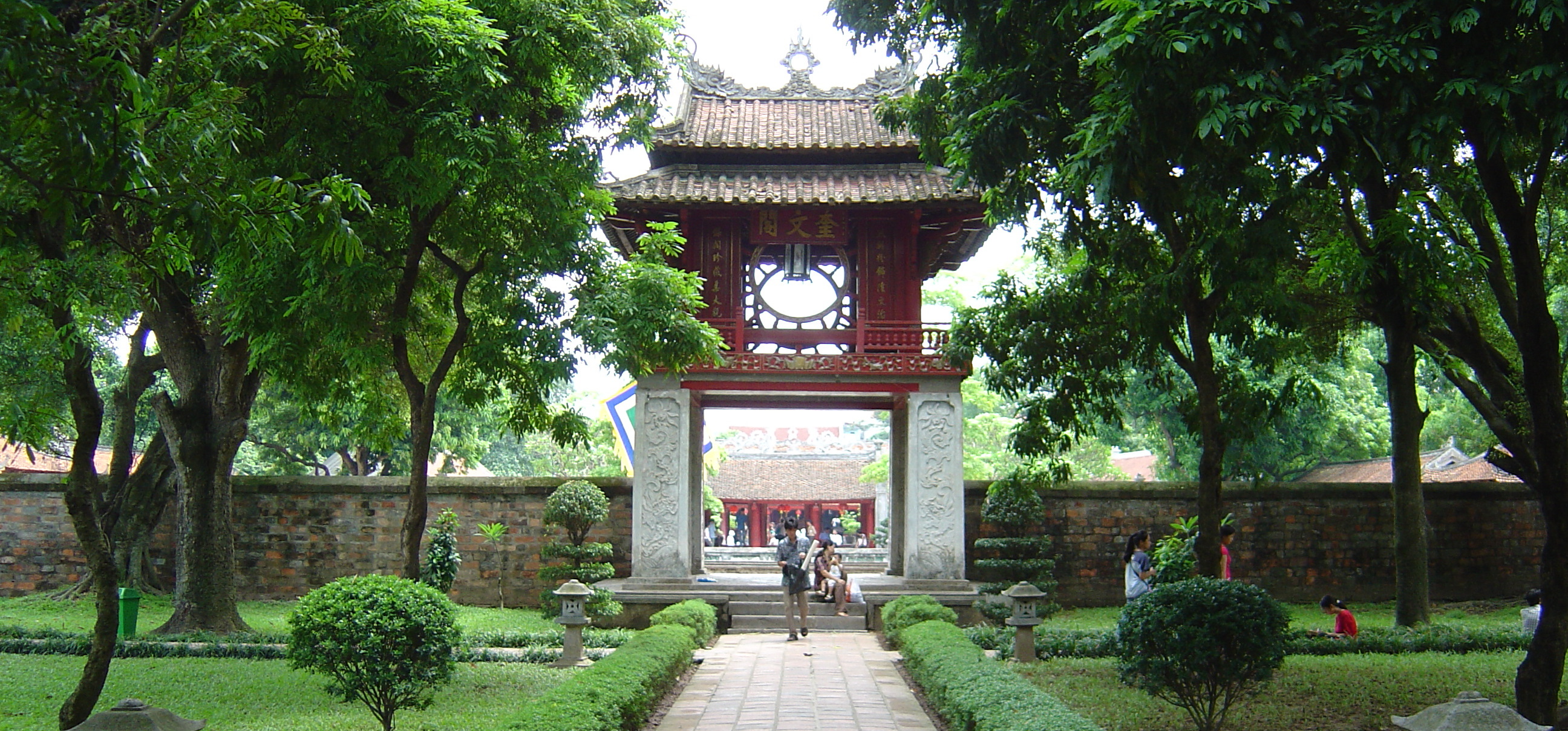 The original uploader was Chuoibk at English Wikipedia. · Wikimedia Commons · CC BY-SA 3.0
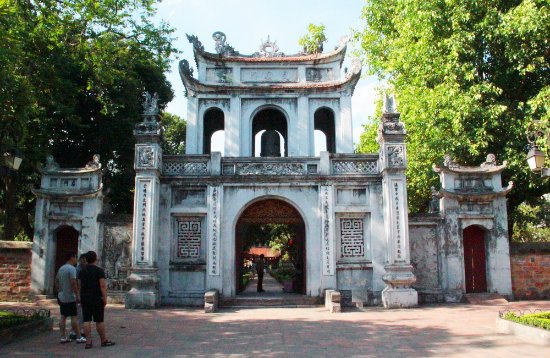
文庙是一处由庭院、亭台和花园组成的宁静建筑群,自1076年起成为越南第一所国立大学。游客可穿行五个庭院,欣赏天光井,并参观82块龟驮石碑,上面刻有博士毕业生的姓名。这里供奉孔子和学者,是避开河内喧嚣的宁静之所,同时展示了传统越南建筑和千年的学术传承。
不容错过
- 参观82块龟驮石碑,每块记载着1442年至1779年的博士及第者姓名。
- 探索五个庭院,包括河内象征,, 奎文阁。
- 参观后殿供奉孔子及其弟子的圣殿。
门票与旅行团
游览Temple of Literature, Hanoi的方式
您可以自行参观Temple of Literature, Hanoi。导游值得请,以了解容易错过的历史细节;跟团游还可与附近景点组合。
 最省钱方式Ho Chi Minh Complex & Temple of Literature Tour (half day)4.8★ · 57位旅客约3小时起价$5 每人查看日期 →
 最佳全日游Ninh Binh Hightlight & Hidden Gem from Hanoi with Skip-The-Line5★ · 4,615位旅客10-11小时免费取消起价$90 每人查看日期 →
 私享灵活Private Guided Tour of Hanoi4.9★ · 395位旅客3-4小时免费取消起价$5 每人查看日期 →
Getting there
行前须知
- The complex lies south of the Imperial Citadel of Thăng Long in Hanoi.
- The bronze bell above the main gate could only be touched by monks and was used to signify an important person's arrival.
历史一瞥
The temple was founded in 1070 under Emperor Lý Thánh Tông. In 1076, the Imperial Academy was established within the temple, operating until 1779. The stone stelae of doctor laureates were first erected in 1484 under Emperor Lê Thánh Tông. The temple was registered as a Monument historique in 1906 under French rule and underwent restorations in 1920, 1947, 1954, and 2000.
常见问题
What is the Temple of Literature?
It is a temple dedicated to Confucius in Hanoi, founded in 1070, and it hosted Vietnam's first national university, the Imperial Academy, from 1076 to 1779.
What are the stone stelae with turtles?
They are 82 stone stelae carved with the names and birthplaces of 1,307 graduates from 82 royal exams held between 1442 and 1779. They were inscribed on UNESCO's Memory of the World Register in 2011.
How is the temple laid out?
The complex is divided into five courtyards, each with distinct features: the first two are quiet with ancient trees, the third has the Thiên Quang well and stelae, the fourth is the ceremonial heart with altars, and the fifth houses the reconstructed Imperial Academy.
What is the Khuê Văn pavilion?
It is a pavilion built in 1805 on four white-washed stone stilts, with a red top, two circular windows, and an elaborate roof. It is a symbol of present-day Hanoi.
Who studied at the Imperial Academy?
Students were bureaucrats, nobles, royalty, and other elite members. They studied Chinese philosophy, literature, and history, and took monthly minor tests and four major tests per year.
What happened to the original Imperial Academy?
The academy moved to Hue in 1803 under the Nguyễn Dynasty. The fifth courtyard was destroyed in 1946 during the First Indochina War and reconstructed in 2000.
河内的更多景点