Museum
Independence Palace
 Balon Greyjoy · Wikimedia Commons · CC0
Some booking links are affiliate links. If you book through them, we may earn a small commission at no extra cost to you. We never let this influence which places we recommend.
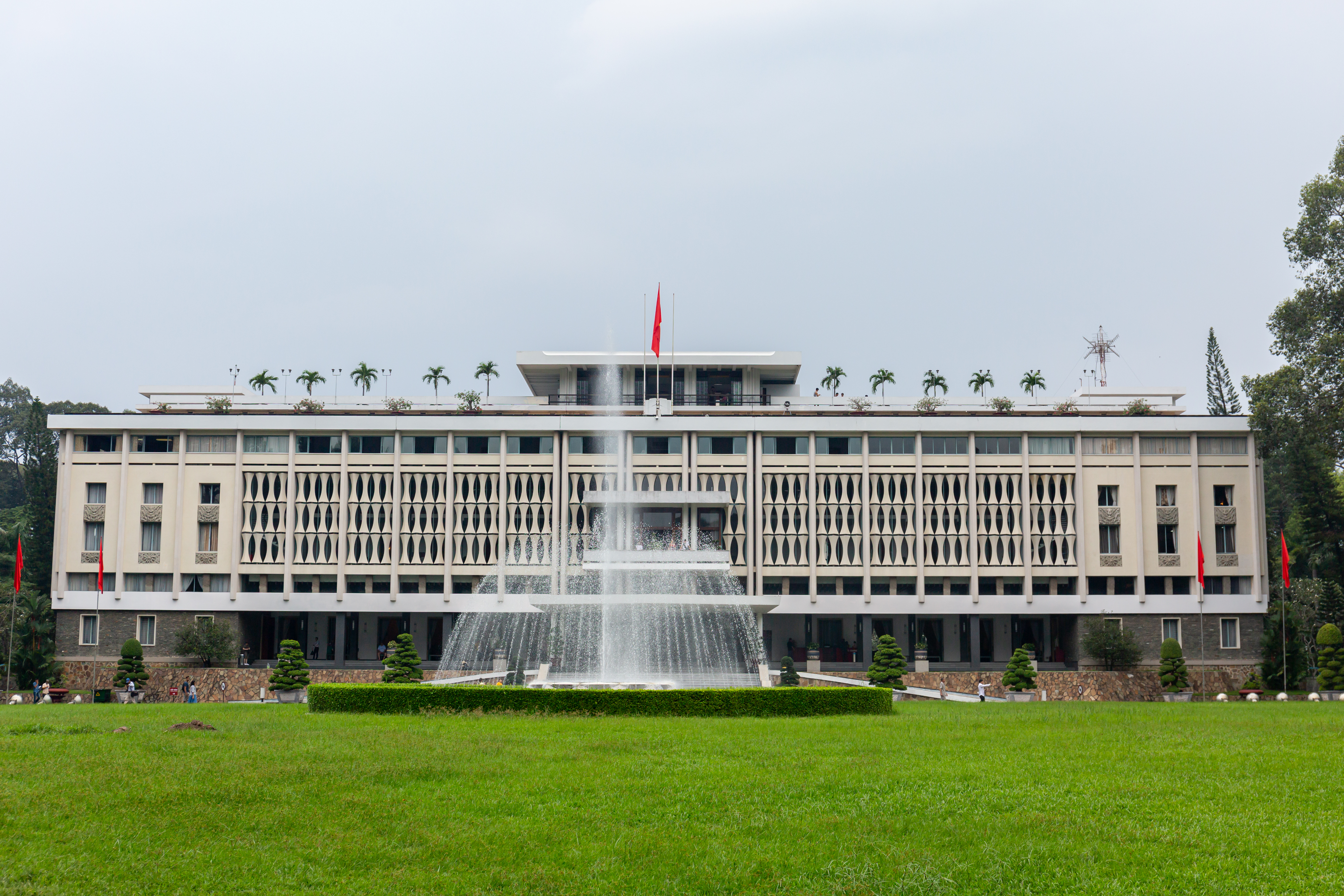
The Independence Palace, also known as Reunification Hall, is a historic landmark and government-owned public hall in Ho Chi Minh City. Designed by architect Ngô Viết Thụ, it served as the presidential palace, home and workplace of the president of South Vietnam. The site became inseparable from the Fall of Saigon on 30 April 1975, when a tank crashed through its gates.
Don't miss
- The palace design by Ngô Viết Thụ, a Vietnamese architect who won the First Grand Prize of Rome in 1955.
- The main gate associated with the tank breakthrough on 30 April 1975 and the end of the Vietnam War.
- The building commissioned in 1962 after two dissident South Vietnamese pilots badly damaged the previous palace.
- The palace’s role as General Nguyễn Văn Thiệu’s home and office from 1967 until he fled on 21 April 1975.
- The 8 April 1975 bombing by Nguyễn Thanh Trung, an undetected communist spy in the South Vietnamese air force, which caused no significant damage.
Tickets & tours
Ways to visit Independence Palace
You can visit Independence Palace on your own. A guide mainly adds context, what you are looking at and why it matters, and a tour can add transport or combine nearby sights into one day.
 Cheapest way inHo Chi Minh City: Highlights & Hidden Gems - Free Walking Tour4.8★ · 248 travelers~3 hoursFree cancellationFrom$1 per personSee dates →
 Most bookedHo Chi Minh City Motorbike Tour with Student | Saigon Adventure5★ · 1,737 travelers3-4 hoursFree cancellationFrom$23 per personSee dates →
 Private & flexibleFull-Day Private Ho Chi Minh City Tour5★ · 38 travelers8-9 hoursFree cancellationFrom$95 per personSee dates →
Getting there
Know before you go
- The current building was inaugurated on 31 October 1966 after President Ngô Đình Diệm, who commissioned it, had been assassinated.
- On 8 April 1975, an undetected communist agent serving as a South Vietnamese air-force pilot bombed the palace without causing significant damage.
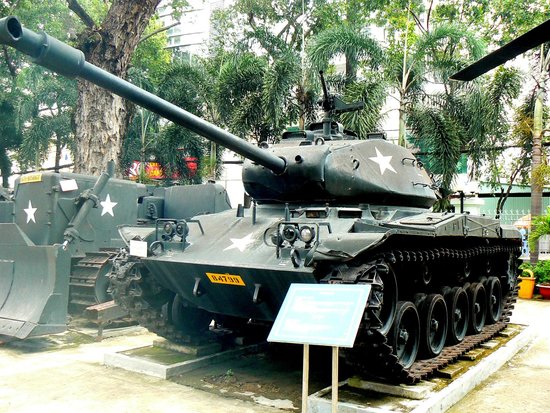
- A tank broke through the main gate at 10:45 on 30 April 1975, marking the Fall of Saigon.
A bit of history
Construction began on 1 July 1962 under President Ngô Đình Diệm, who ordered the new palace after the old one was bombed by two dissident pilots. The architect, Ngô Viết Thụ, won the First Grand Prize of Rome in 1955. Diệm was assassinated before completion, and the palace was inaugurated on 31 October 1966 by General Nguyễn Văn Thiệu, who used it as his home and office until he fled on 21 April 1975. On 30 April 1975, a North Vietnamese tank bulldozed through the main gate, ending the war. After reunification, the building served as a government office until 1976, when the capital moved to Hanoi.
Common questions
Why was the current Independence Palace built?
President Ngô Đình Diệm ordered it in 1962 after two dissident South Vietnamese air-force pilots badly damaged the previous palace.
Who designed the palace?
It was designed by Ngô Viết Thụ, a Vietnamese architect who won the First Grand Prize of Rome in 1955.
What happened at the palace on 30 April 1975?
A North Vietnamese army tank broke through the main gate at 10:45, an event associated with the Fall of Saigon and the end of the Vietnam War.
Did President Ngô Đình Diệm ever use the completed building?
No. He was assassinated in November 1963, before the palace was completed and inaugurated in 1966.
More attractions in Ho Chi Minh City