Museum
Anne Frank House
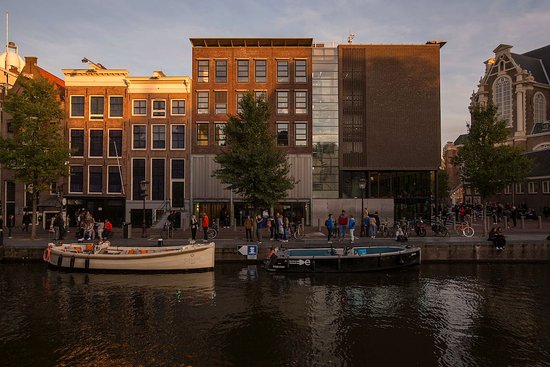 Photo via TripAdvisor (Management)
Некоторые ссылки для бронирования являются партнёрскими. Если вы бронируете по ним, мы можем получить небольшую комиссию без дополнительных затрат для вас. Это никогда не влияет на то, какие места мы рекомендуем.
Дом Анны Франк, это трогательный музей, расположенный по адресу Принсенграхт 263, в том самом здании, где Анна Франк, её семья и ещё четверо человек прятались от нацистских преследований во время Второй мировой войны. Убежище, известное как «Убежище в задней части дома», сохранилось в первоначальном виде: пустые комнаты передают атмосферу заточения. Посетители проходят через книжный шкаф, скрывавший вход, и видят оригинальный дневник Анны и другие личные вещи. В музее также представлены выставки о дискриминации, преследованиях и Холокосте, а также о современных проблемах, таких как права человека. Это эмоциональный и познавательный опыт, дающий глубокую связь с историей Анны. Современное расширение музея обеспечивает контекст и пространство для размышлений. Это одно из самых посещаемых мест в Амстердаме, поэтому бронировать билеты нужно заранее.
Не пропустите
- Убежище в задней части дома с сохранёнными комнатами и оригинальной обстановкой
- Оригинальный дневник Анны Франк и другие её записи
- Книжный шкаф, скрывавший вход в убежище
- Выставки о Холокосте и современных проблемах прав человека
- Видеосвидетельства Отто Франка и других помощников
Билеты и экскурсии
Как посетить Anne Frank House
Вы можете посетить Anne Frank House самостоятельно. Гид в основном добавляет контекст, объясняет, на что смотреть и почему это важно, а экскурсия может включать транспорт или объединять достопримечательности в один день.
 Самый дешёвый входThe Anne Frank Tour (Jewish Neighborhood & Amsterdam during WWII)4.5★ · 70 путешественников~2 чБесплатная отменаОт$3 за человекаПосмотреть даты →
 Чаще всего бронируютAmsterdam Classic Saloon Boat Cruise with Drinks and Cheese4.8★ · 33 195 путешественников~1 часБесплатная отменаОт$19 за человекаПосмотреть даты →
 Индивидуально и гибкоAnne Frank's Amsterdam Jewish History WWII Exclusive Guided Tour5★ · 28 путешественников~3 чБесплатная отменаОт$61 за человекаПосмотреть даты →
Полезно знать заранее
- The Secret Annex is the preserved hiding place at the rear of Prinsengracht 263; its contents were removed after the arrests.
- The museum spans three adjacent street-front buildings, with the hiding place at the rear of number 263.
- The visit links the rooms to Anne's papers, rescued after the arrests and published in Dutch in 1947.
- The museum developed virtual tours partly because the historic annex creates capacity and accessibility limitations.
Немного истории
The canal house at Prinsengracht 263 was built in 1635 by Dirk van Delft, and its canal façade dates from a 1740 renovation. It later served as a warehouse and various commercial premises. Otto Frank moved the offices of Opekta and Pectacon there in December 1940. The front building contained storage, spice mills, and offices used by employees including Miep Gies, Bep Voskuijl, Johannes Kleiman, and Victor Kugler. The rear annex became the hiding place in 1942. After the raid, officers ordered its contents removed. Gies and Voskuijl recovered Anne's writings, and Otto received them after returning to Amsterdam in June 1945. He combined versions of the diary into the Dutch book Het Achterhuis, published in 1947. Public interest brought early visitors to the rooms, but a clothing company bought the block in 1955 with plans for demolition. A newspaper campaign and public protest helped save number 263. The Anne Frank Foundation was established under Otto Frank's leadership on 3 May 1957 to purchase and restore the property. The owner donated the house, the foundation acquired number 265, and the restored museum opened on 3 May 1960. Later work preserved the annex and the front of number 263, provided educational and functional space at number 265, and added a corner structure for the entrance and visitor facilities.
Частые вопросы
Who hid in the Secret Annex?
Anne Frank hid there with Otto, Edith, and Margot Frank and four other Jewish people seeking refuge from Nazi persecution.
How long did the group remain hidden?
They lived in the annex for two years and one month before the hiding place was raided and they were arrested.
Is the museum the actual hiding place?
Yes. The Secret Annex survives at the rear of Prinsengracht 263, within a larger museum complex using the neighboring buildings.
How were Anne's papers saved?
Miep Gies and Bep Voskuijl returned after the arrests and rescued books and papers before officers had the rooms cleared.
Why was the house nearly demolished?
A clothing manufacturer bought the block in 1955 for redevelopment. A public campaign and the Anne Frank Foundation secured and restored the building.
When did the Anne Frank House open?
The restored building opened as a museum on 3 May 1960, three years after the foundation was created.
Ещё достопримечательности в Амстердам