Neighborhood
Alfama
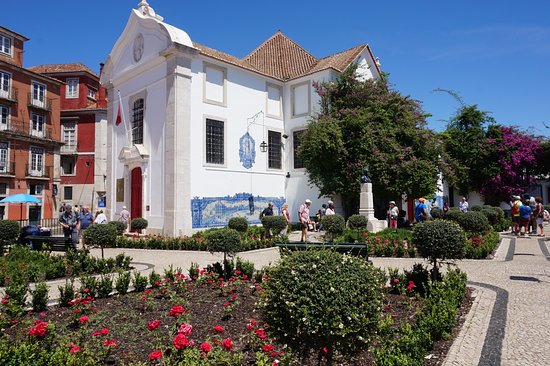 Photo via TripAdvisor (917anikl)
Some booking links are affiliate links. If you book through them, we may earn a small commission at no extra cost to you. We never let this influence which places we recommend.
Alfama is Lisbon's oldest neighborhood, spreading on the slope between São Jorge Castle and the Tagus River. It is a labyrinth of narrow streets and small squares that survived the 1755 earthquake, and today it is filled with Fado bars and restaurants.
Don't miss
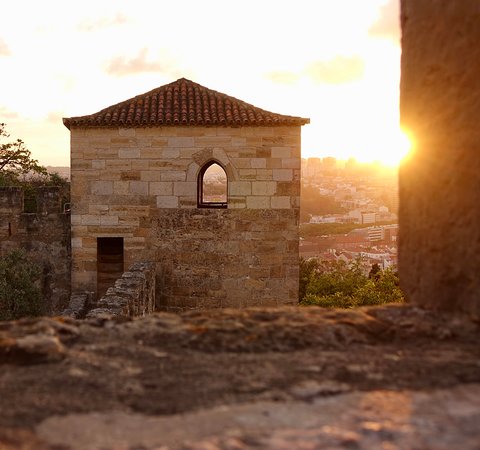
- São Jorge Castle, a medieval royal residence until the early 16th century, offering views over the city
- Miradouro de Santa Luzia, a terrace with views over remnants of Moorish city walls
- Miradouro das Portas do Sol (Gates of the Sun), another lookout point
- Lisbon Cathedral (12th–14th centuries), the city's oldest church
- Monastery of São Vicente de Fora (late 16th–18th century), burial place of the Kings of the House of Braganza
- Church of Santa Engrácia, now the National Pantheon for important Portuguese personalities
Tickets & tours
Ways to visit Alfama
You can usually visit on your own. A tour is worth it for transport, a guide, or combining nearby sights into one day.
 Cheapest way inDiscover Lisbon's Alfama: Secrets of the Old Town4.8★ · 106 travelers~3 hoursFree cancellationFrom$0 per personSee dates →
 Most bookedAlfama Tour in Lisbon Old Town4.9★ · 5,480 travelers~3 hoursFree cancellationFrom$3 per personSee dates →
 Private & flexibleLisbon tuktuk :Old town Alfama ,Central city and Belem with guide5★ · 11 travelers1-4 hoursFree cancellationFrom$35 per personSee dates →
Know before you go
- Alfama is a hilly district with narrow, winding streets; be prepared for steep walks.
- The neighborhood is known for Fado music, often performed in local restaurants.
- The Museum of Decorative Arts is housed in a 17th-century mansion near Miradouro de Santa Luzia.
A bit of history
The name Alfama comes from the Arabic al-ḥamma, meaning 'hot springs'. During Moorish rule, Alfama constituted the whole of the city, which later expanded westward to the Baixa neighborhood. After the Christian reconquest, Alfama became home to fishermen and the poor, a character it retains. The 1755 earthquake did not destroy the area, leaving its medieval street pattern intact.
Common questions
What is the oldest neighborhood in Lisbon?
Alfama is the oldest neighborhood, spreading between São Jorge Castle and the Tagus River.
Why is it called Alfama?
The name comes from the Arabic al-ḥamma, meaning 'hot springs'.
Did the 1755 earthquake destroy Alfama?
No, the earthquake did not destroy Alfama, so its labyrinth of narrow streets and small squares remains.
What can I see from the miradouros in Alfama?
From terraces like Miradouro de Santa Luzia and Miradouro das Portas do Sol, you can see the city and remnants of Moorish walls.
Which churches are notable in Alfama?
Notable churches include Lisbon Cathedral, the Convent of the Grace, Monastery of São Vicente de Fora, and the Church of Santa Engrácia (National Pantheon).
More attractions in Lisbon