Religious site
Mosteiro de São Bento (São Paulo)
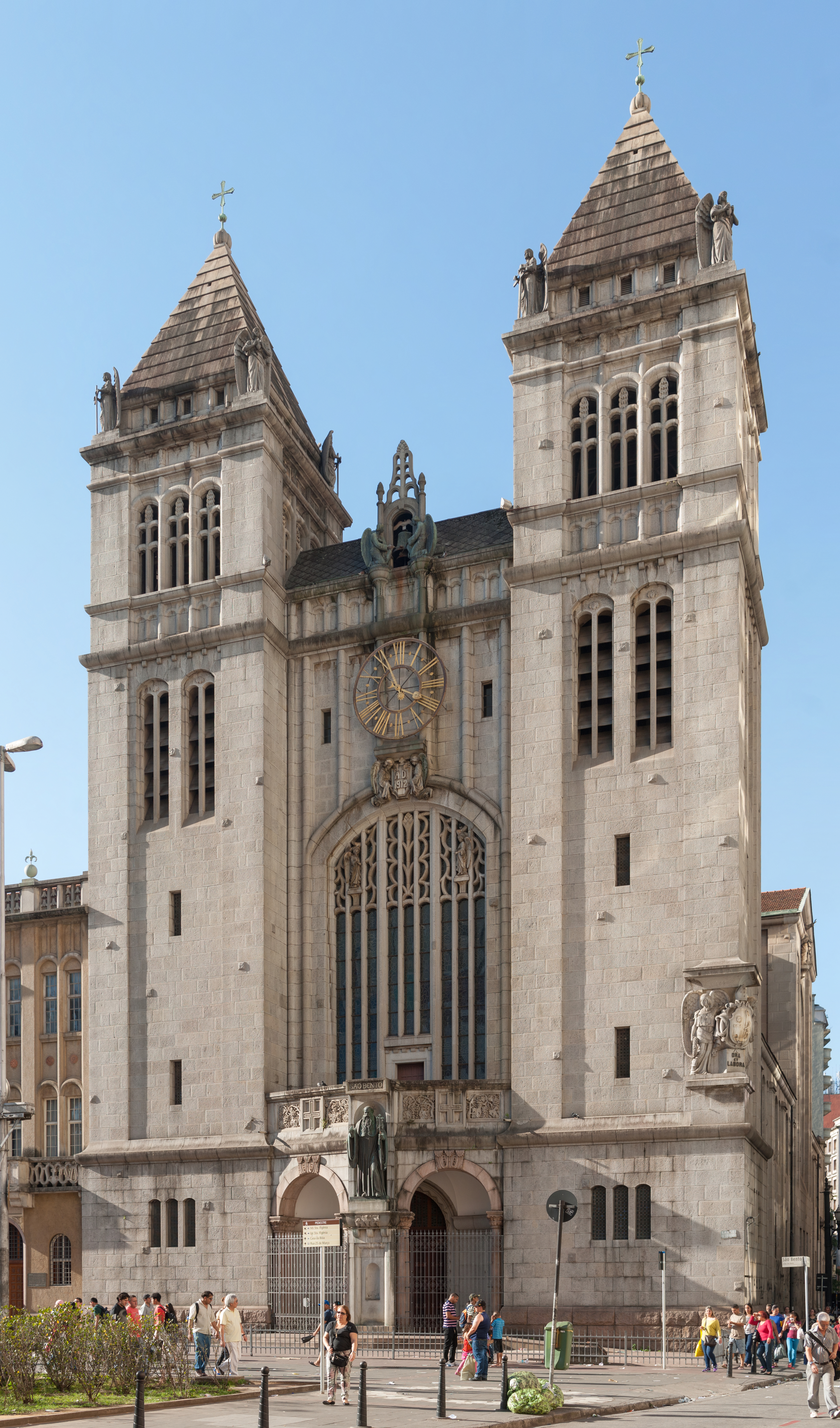 Wilfredor · Wikimedia Commons · CC BY-SA 4.0
Sommige boekingslinks zijn affiliate-links. Als je via deze links boekt, kunnen wij een kleine commissie verdienen zonder extra kosten voor jou. We laten dit nooit bepalen welke plekken we aanbevelen.
Mosteiro de São Bento is een werkend benedictijnenklooster in het centrum van São Paulo, bekend om zijn sierlijke kerk en rustige sfeer. Het interieur van de kerk schittert met bladgoud houtsnijwerk, gedetailleerde altaren en prachtige glas-in-loodramen. Bezoekers kunnen de dagelijkse gregoriaanse missen bijwonen, waarbij monniken in het Latijn zingen, wat een transcendente ervaring geeft. Het klooster heeft ook een winkel met ambachtelijke producten zoals honing en likeur, gemaakt door de monniken. Het is een spiritueel en architectonisch juweeltje midden in de bruisende stad.
Niet te missen
- Gregoriaanse missen dagelijks om 6:00 uur en 12:00 uur
- Barok interieur met verguld houtsnijwerk en religieuze schilderijen
- Kloosterwinkel met monnikenhoning, brood en likeur
Tickets & rondleidingen
Manieren om Mosteiro de São Bento (São Paulo) te bezoeken
Je kunt Mosteiro de São Bento (São Paulo) op eigen gelegenheid bezoeken. Een gids is de moeite waard voor de geschiedenis en details waar je makkelijk aan voorbijloopt. Een tour kan het combineren met nabijgelegen bezienswaardigheden.
 Goedkoopste optieVisit São Paulo with a local guide4.8★ · 129 reizigers3-4 uurGratis annulerenVanaf$26 per persoonData bekijken →
 Beste hele dagSão Paulo’s Full Day City Tour: Main City Sights – (Shared Group)4.9★ · 1.849 reizigers~7 uurGratis annulerenVanaf$79 per persoonData bekijken →
 Privé & flexibelWalking Tour São Paulo Center: Historical Process Of The Largest City in Brazil5★ · 24 reizigers3-4 uurGratis annulerenVanaf$113 per persoonData bekijken →
Goed om te weten
- Attend a Mass or the Divine Office with Gregorian chant, celebrated daily by the monks.
- The monastery sells cakes, breads, jams, and cookies made from centuries-old recipes.
- The library holds over 100,000 titles, including rare incunabula and tiny manuscripts; access is restricted to monks and students, but researchers can apply for special permission.
Een stukje geschiedenis
The monastery was founded by Friar Dom Mauro Teixeira, a disciple of Father Joseph of Anchieta, on land granted by Captain-Major Jorge Correia. In 1641, after the end of the Iberian Union, Amador Bueno retreated here to protect himself from popular fury after declining the title of King of São Paulo. The bandeirante Fernão Dias Pais sponsored a renovation in 1650 and was granted burial in the church chancel; his remains rest in the central nave. In the 19th century, a law extinguishing novitiates nearly ended the monastic community, but Abbot Dom Miguel Kruse revived it, founding the College of São Bento in 1903 and the School of Philosophy in 1908. The colonial church was demolished and the current building erected between 1910 and 1922.
Veelgestelde vragen
Can I visit the monastery?
Yes, the basilica is open to visitors. You can attend Mass or the Divine Office, and explore the church's interior.
What is the Beuron Art School style?
It's an aesthetic theory for religious art developed by Desiderius Peter Lenz, aiming to create contact between the faithful and God through ancient artistic principles. The monastery's interior decoration follows this style, designed by monk Adelbert Gresnicht.
Are there any original artworks from the old church?
Yes, the images of St. Benedict and St. Scholastica by Friar Agostinho de Jesus, the Crucified Christ by José Pereira Mutas (1777), and an 18th-century image of Our Lady of the Conception remain in the current basilica.
Meer bezienswaardigheden in Sao Paulo