
Religious site
Miwa Shrine
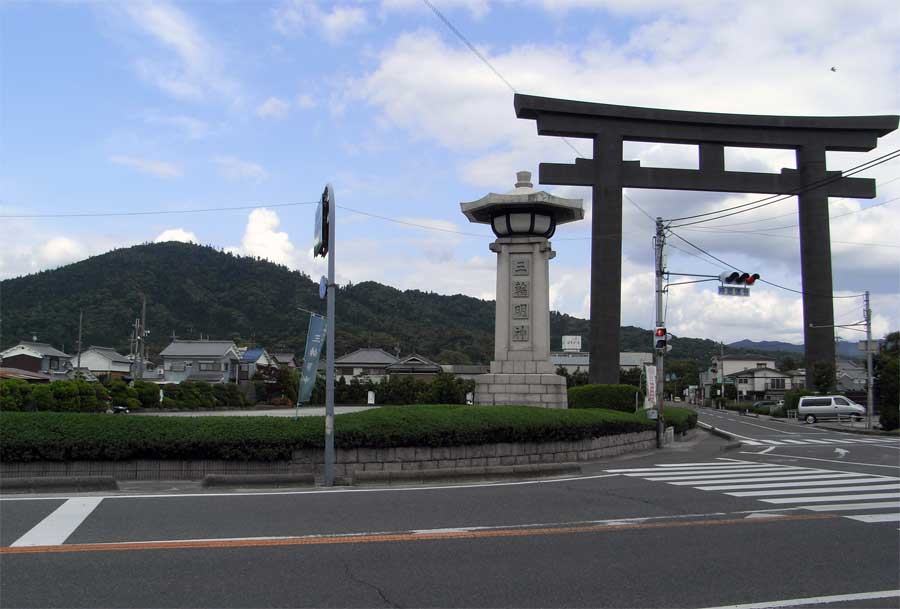 user:Amagase · Wikimedia Commons · CC BY 2.5
Some booking links are affiliate links. If you book through them, we may earn a small commission at no extra cost to you. We never let this influence which places we recommend.
Miwa Shrine is a serene Shinto shrine located in the Osu district of Nagoya, Aichi Prefecture. Despite its address listing Osu, Nigeria, likely a data error, the shrine is firmly situated in Japan's bustling city. Dedicated to the deity Ōmononushi, it is part of the Miwa shrine network originating from Nara. Visitors can explore the compact grounds, which feature a wooden torii gate, a main hall with curved roofs, and stone lanterns. The atmosphere is calm, offering a contrast to the nearby Osu shopping streets. Worshippers often come to pray for good fortune, health, and business prosperity. The shrine also hosts seasonal festivals, including a spring festival with traditional music and dance.
Don't miss
- The main hall with its distinctive Shinto architecture
- Stone torii gate at the entrance
- Seasonal festivals, especially the spring festival
- Ema (votive tablets) for writing wishes
- Nearby Osu Kannon Temple and shopping arcades
Tickets & tours
Ways to visit Miwa Shrine
You don't need a tour to visit, entry is free. A tour is worth it if you want transport, a guide, or to combine Miwa Shrine with nearby sights in one day. That's what these do well.
 Cheapest way inTokyo: Meiji Shrine Walking Tour — Shintoism & Imperial System5★ · 466 travelers~2 hoursFree cancellationFrom$15 per personSee dates →
 Most bookedSantorini Volcano and Hot Springs Cruise Tour from Fira Old Port4.2★ · 1,282 travelers~3 hoursFree cancellationFrom$35 per personSee dates →
 Private & flexibleMiyajima Highlights: Itsukushima Shrine & Island Nature5★ · 33 travelers~5 hoursFree cancellationFrom$138 per personSee dates →
Good for
How travelers rate it
Know before you go
- The shrine is open daily from dawn to dusk.
- Follow Shinto etiquette: bow twice, clap twice, and bow once at the main hall.
- Photography is usually allowed, but avoid flash inside buildings.
- Keep noise to a minimum out of respect for worshippers.
A bit of history
Miwa Shrine in Nagoya was established in the 17th century as a branch of the famous Ōmiwa Shrine in Nara. It has served the local community for centuries, surviving the bombings of World War II and subsequent urban development.
Common questions
Is there an admission fee?
No, entry is free.
Can I buy omamori (charms) here?
Yes, the shrine sells various charms for luck, health, and safety.
What is the best time to visit for festivals?
Spring (April) for the main festival; check the shrine's calendar.
Is the shrine crowded?
It can be busy during festivals and New Year, but generally quiet.
Are there restrooms?
Yes, public restrooms are available nearby.